Improving bungalow energy efficiency starts with the attic, the basement and air leaks, because a bungalow has more roof and foundation per square foot of living space than a two-storey home. Once those are sealed and insulated, upgrades like better windows and a heat pump pay off more. This guide explains where bungalows lose energy and the order to fix things in.
Key takeaways
- Bungalows lose a lot of heat through the attic and basement.
- Air sealing and insulation usually come before new windows or equipment.
- A home energy audit shows where your specific home is losing energy.
- Heat pumps work well once the building envelope is improved.
- Good ventilation matters as the home gets more airtight.
Why a bungalow’s shape matters for energy
Picture two homes with the same living space. The two-storey stacks its rooms. The bungalow spreads them out on one level.
That means the bungalow has a larger roof and a larger foundation for the same space. Heat rises and escapes through the ceiling. Cold creeps in through basement walls and floors. So the attic and basement deserve most of your attention.
The upside is that a bungalow’s attic is usually easy to reach, and there’s only one ceiling to insulate. Many improvements are simpler than in a taller home.
Step 1: Get a home energy audit
Before spending money, find out where your home is actually losing energy. A registered energy advisor can run a blower door test, check insulation levels and give you a prioritized report.
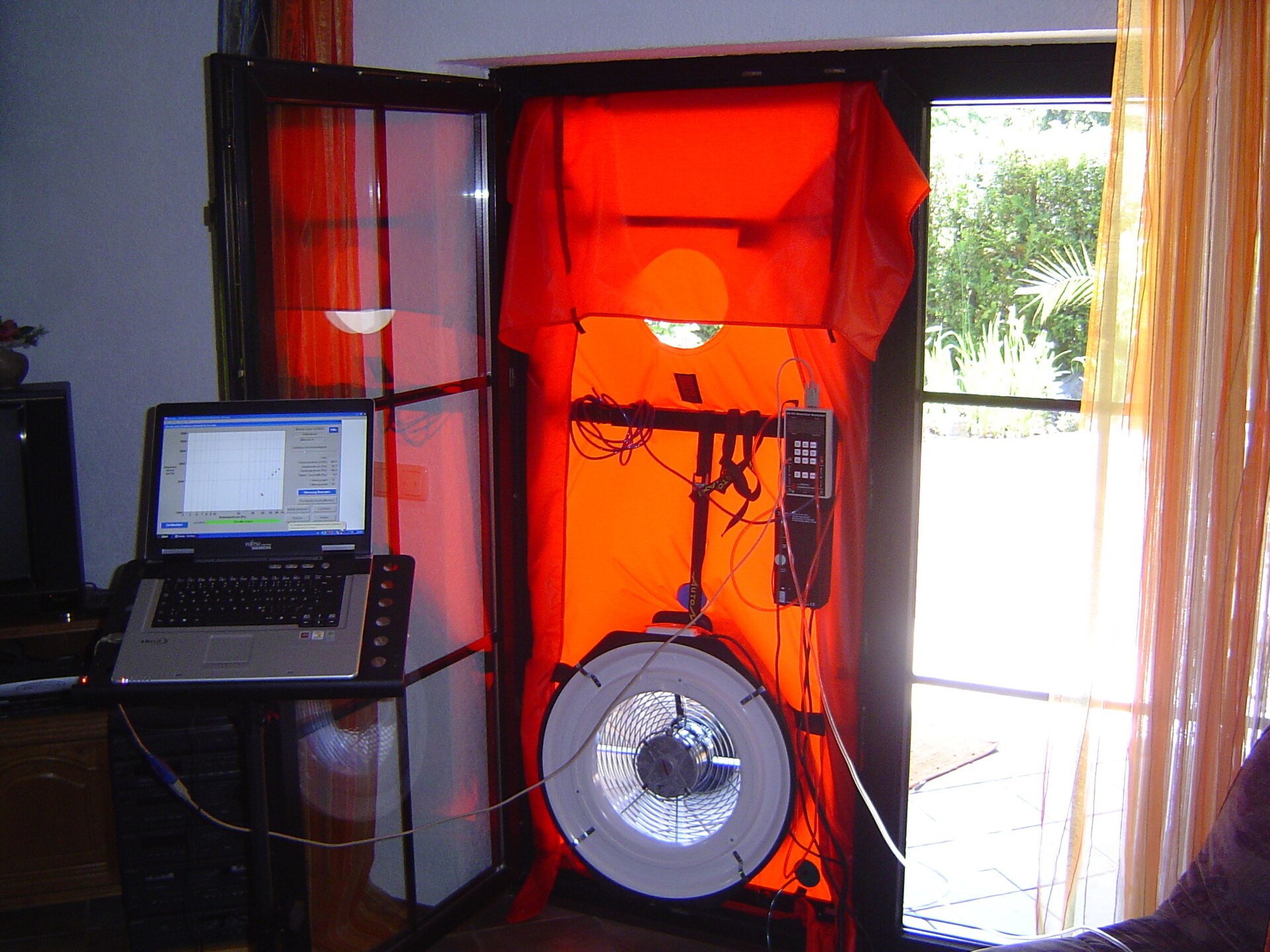
Many government and utility rebate programs require an audit before and after upgrades. Program details change often, so check what’s available as of September 2026 before you book work. Our guide to the home energy audit explains the process.
Step 2: Seal air leaks
Air sealing is often the most cost-effective upgrade. Warm air escapes through gaps, and cold air leaks in to replace it.
- Seal around attic hatches, plumbing stacks and ceiling light fixtures.
- Caulk and weatherstrip windows and doors.
- Seal the rim joist where the house frame sits on the foundation.
- Add foam gaskets behind outlet covers on exterior walls.
- Seal gaps around dryer vents, pipes and wires entering the house.
Step 3: Insulate the attic and basement
Attic
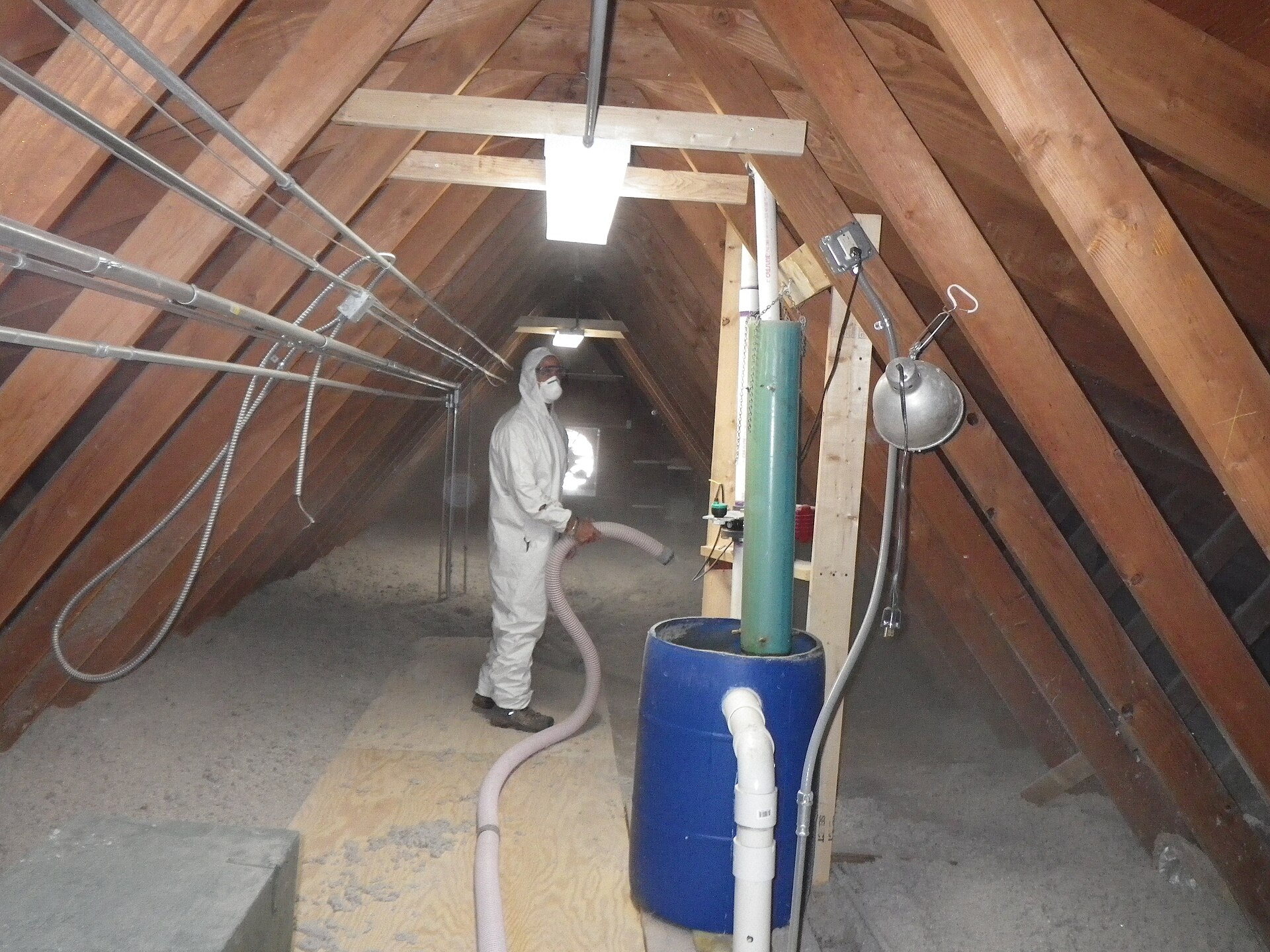
Many older Ontario bungalows have far less attic insulation than current homes. Topping it up is usually straightforward. Seal air leaks first, then add insulation, and keep soffit vents clear so the attic can breathe.
Basement
Uninsulated basement walls lose a lot of heat. Insulating them makes the lower level more comfortable and cuts heating costs. Fix any moisture problems first, and use materials suited to below-grade walls.
Bungalow tip: If you’re finishing your basement anyway, insulating the walls and rim joist adds little extra effort. Plan it into the project from the start.
Step 4: Windows, doors and heating systems
Once the envelope is tighter, larger upgrades make more sense.
| Upgrade | When it makes sense | Things to know |
|---|---|---|
| New windows | Old, drafty or failing units | Look for high-performance, ENERGY STAR certified models |
| Insulated exterior doors | Drafty or damaged doors | Good weatherstripping matters as much as the door |
| Heat pump | Replacing an old furnace or A/C | Cold-climate models handle Ontario winters; size it after insulating |
| Heat pump water heater | Tank near end of life | Needs some space and airflow |
| Smart thermostat | Any time | Low cost, quick payback |
For more on heating controls, see our post on learning thermostats.
Step 5: Ventilation, lighting and appliances
A tighter home needs fresh air. A heat recovery ventilator (HRV) brings in outdoor air while recovering heat from stale air going out. Ask your HVAC contractor whether your home needs one after air sealing.
- Switch all bulbs to LED.
- Choose ENERGY STAR appliances when replacing old ones.
- Use bathroom and kitchen exhaust fans that vent outside.
- Add timers or smart plugs to cut standby power.
Energy upgrades and your home’s value
Energy improvements make a home more comfortable now and easier to market later. Buyers notice warm floors, steady temperatures and lower utility bills.
- Keep records: save audit reports, invoices and product details for every upgrade.
- Share utility history: buyers often ask for a year of heating and hydro costs.
- Highlight upgrades in the listing: new windows, a heat pump or added insulation are worth mentioning.
- Get a post-upgrade evaluation: an updated rating gives buyers proof of the work.
Not every upgrade pays back fully at sale. Focus on comfort and running costs first, and treat resale appeal as a bonus.
Frequently asked questions
Are bungalows energy efficient?
They can be. Their single level heats evenly, but the larger roof and foundation mean more surface for heat loss. Good attic and basement insulation makes a big difference.
What is the best first upgrade for an older bungalow?
Usually air sealing plus attic insulation. A home energy audit will confirm the best starting point for your specific house.
Do heat pumps work in Ontario winters?
Cold-climate heat pumps are designed for Canadian winters. Many homes keep a backup heat source for the coldest days. Get advice from a qualified HVAC contractor.
Are there rebates for energy upgrades?
Federal, provincial and utility programs have offered rebates and loans, but they change often. Check current programs before you start, and keep all receipts and audit reports.
The bottom line on bungalow energy efficiency
Start with an audit, seal the leaks, insulate the attic and basement, then upgrade windows and heating. That order gives you the most comfort and savings for every dollar.
Shopping for an efficient home? Ask for the EnerGuide rating when you view listings, and set up bungalow listing alerts.