An EnerGuide rating is Canada’s official measure of a home’s energy performance, shown in gigajoules per year. A lower number means the home uses less energy. The rating comes from an evaluation by a registered energy advisor, and the label compares the home to a typical new house built to code. Here’s how to read one and use it when buying or selling a bungalow.
Key takeaways
- EnerGuide ratings are shown in gigajoules per year; lower is better.
- The label compares the home to a reference house built to code.
- A registered energy advisor does the evaluation, including a blower door test.
- Most Ontario resale listings don’t include a rating, so ask for one.
- The report’s upgrade recommendations are often as useful as the number.
What is an EnerGuide rating?
The EnerGuide Rating System is run by Natural Resources Canada. It estimates how much energy a home uses in a typical year under standard conditions. That lets you compare homes fairly, regardless of how the current owners live.
Don’t confuse it with the yellow EnerGuide labels on appliances. Those rate fridges and washers. The home rating looks at the whole house: walls, attic, basement, windows, airtightness, heating, cooling, ventilation and hot water.
EnerGuide vs other efficiency labels
You may also see other terms in listings. ENERGY STAR for New Homes and net zero certifications apply to newly built homes that meet specific efficiency standards. Many of those homes also carry an EnerGuide rating.
The EnerGuide rating is the common measuring stick. It lets you compare an older resale bungalow, a renovated home and a new build using the same scale, which certifications alone can’t do.
How to read an EnerGuide label
The home label has a few key parts.
| Part of the label | What it tells you |
|---|---|
| Rated energy consumption | The home’s estimated yearly energy use in gigajoules (GJ/year). Lower is better. |
| Reference house | The energy use of a similar new house built to code, for comparison. |
| Energy breakdown | How much goes to space heating, hot water, ventilation and other uses. |
| Greenhouse gas emissions | Estimated yearly emissions, based on the fuels the home uses. |
| Net energy | If the home produces energy, such as from solar panels, this shows the balance. |
If the home’s number is close to or below the reference house, it performs about as well as a new code-built home or better. A much higher number means there’s room for improvement.
Some older homes have ratings on an older points scale, where higher was better. If you see one, ask how recent it is and what’s changed since.
How the evaluation works
- Book a registered energy advisor through a licensed service organization.
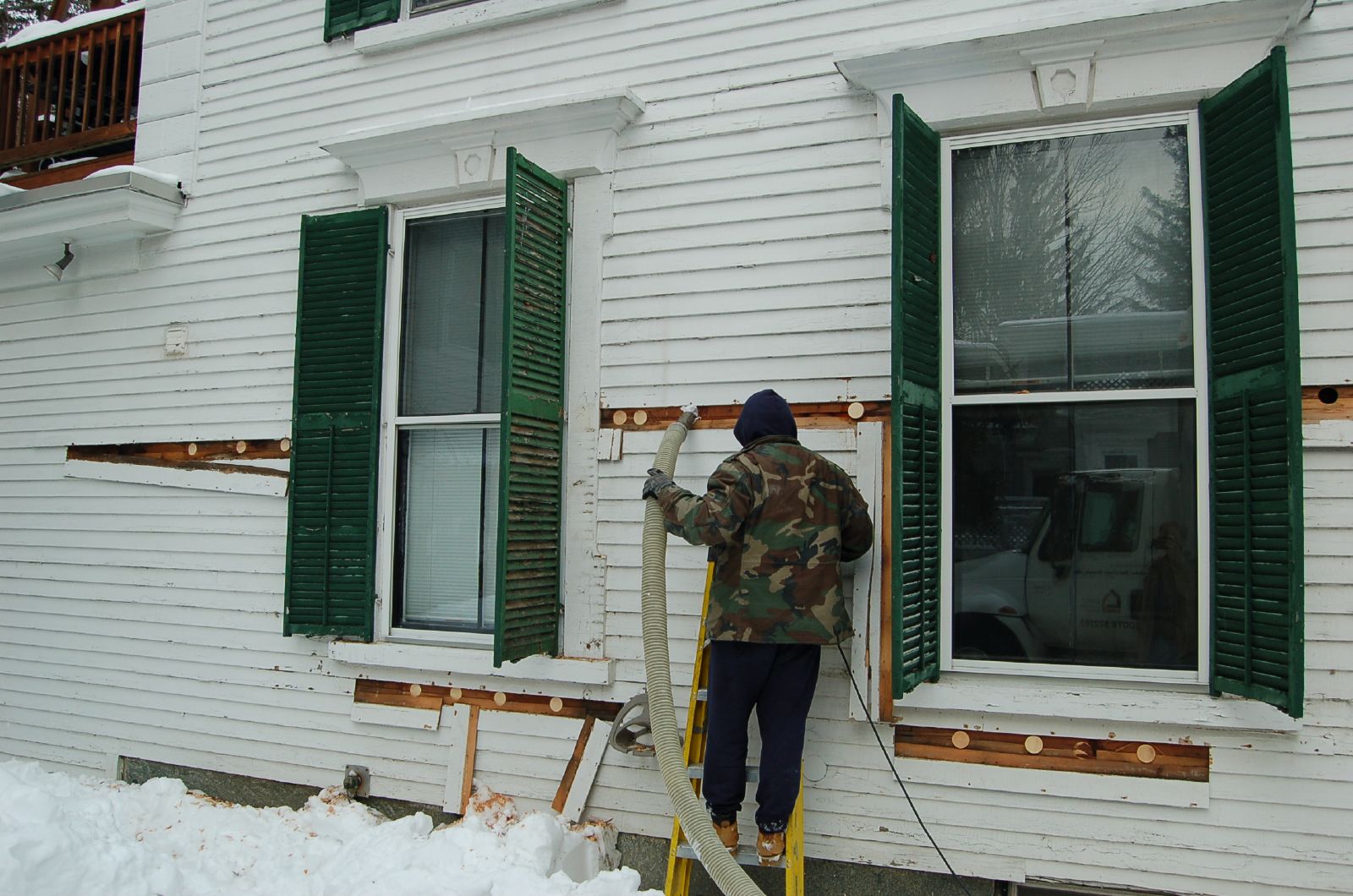
- The advisor visits and measures insulation, windows, heating and ventilation equipment and the home’s dimensions.
- A blower door test depressurizes the house to measure air leakage.
- Energy modelling software calculates the rating.
- You receive a label and a report with recommended upgrades.
The process often takes a few hours on site. Learn more in our guide to the home energy audit.
How do bungalows usually rate?
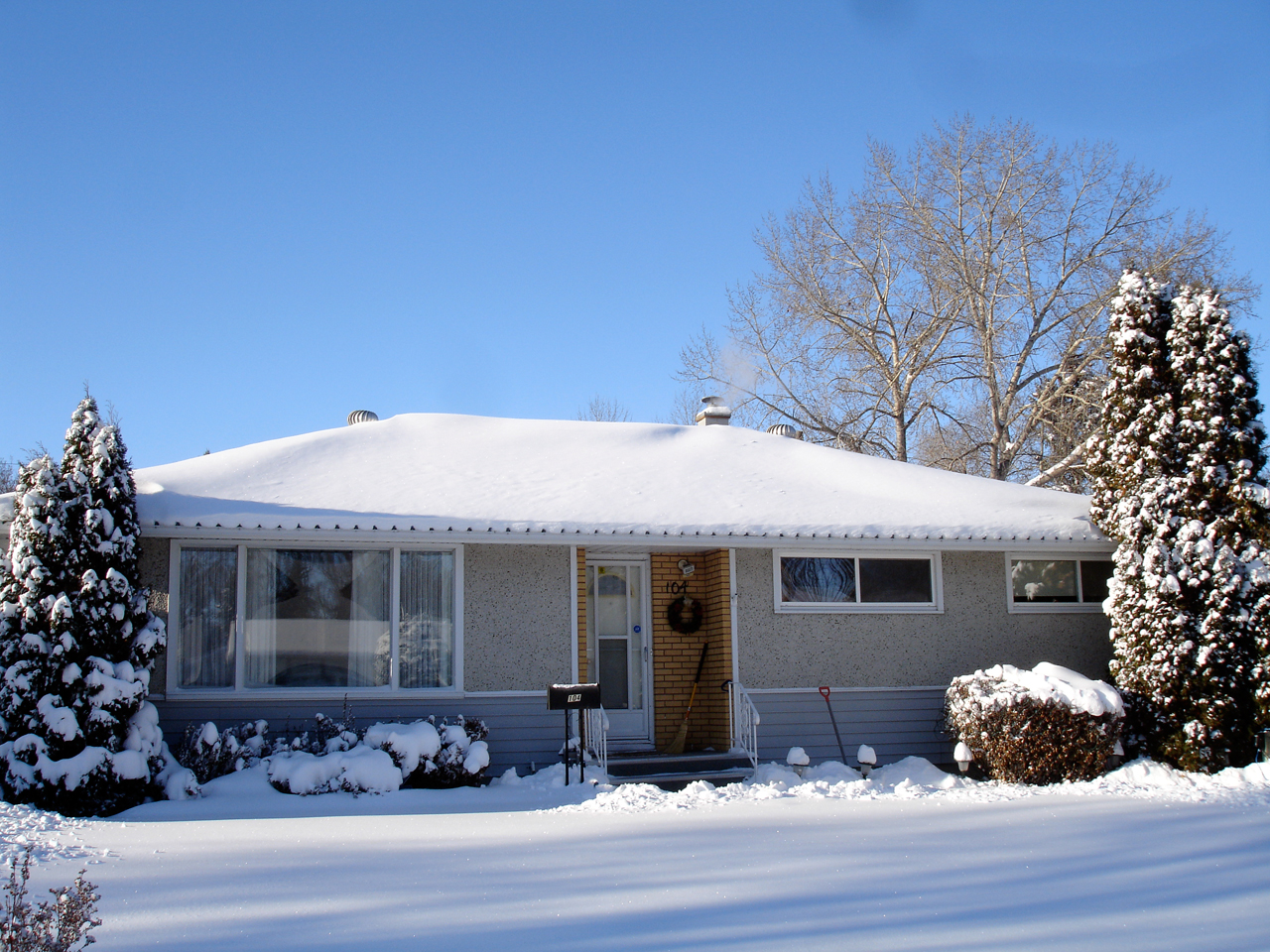
Results depend on the individual home, but bungalows share a few traits that affect their rating.
- Large roof and foundation: more surface area per square foot of living space, so attic and basement insulation matter a lot.
- Age: many GTA bungalows were built decades ago, often with less insulation and older windows.
- Easy improvements: accessible attics and simple shapes make upgrades relatively straightforward.
An older bungalow that’s had its attic insulated, basement walls insulated, air leaks sealed and heating upgraded can perform very well. Our bungalow energy efficiency guide lists the best upgrades in order.
Bungalow tip: If a seller has an EnerGuide report, read the recommendations page. It’s a ready-made to-do list and a preview of future upgrade costs.
Using an EnerGuide rating when buying or selling
When buying
- Ask the listing agent whether the home has an EnerGuide rating or recent energy audit.
- Ask for a year of utility bills. They show real-world use with the current household.
- Compare the rating to the reference house.
- Factor recommended upgrades into your budget and your offer strategy.
When selling
- If you’ve done energy upgrades, a post-upgrade rating gives buyers proof.
- Include the rating and key upgrades in your listing details.
- Keep invoices and product information ready for buyers.
Thinking about selling an upgraded home? Get a free home evaluation to see where it stands.
Frequently asked questions
What is a good EnerGuide rating?
There’s no single target, because size and type affect the number. A good sign is a rating close to or below the reference house shown on the same label.
Is a lower EnerGuide number better?
Yes. The current rating is shown in gigajoules per year, so a lower number means the home is expected to use less energy.
Do I need an EnerGuide evaluation to get energy rebates?
Many past and current rebate programs have required pre- and post-upgrade evaluations. Programs change often, so check the rules as of September 2026 before you begin.
Are new homes required to have an EnerGuide label?
Not always. Some builders provide one, especially for certified efficient homes. Ask the builder what energy documentation comes with the home.
The bottom line on EnerGuide ratings
An EnerGuide rating gives you an objective look at a home’s energy use and a roadmap for improvements. Ask for one when buying, and consider one before selling an upgraded bungalow.
Ready to shop for an efficient home? Set up bungalow listing alerts and ask about energy ratings at every showing.