Adding a rental unit to a bungalow in Ontario usually means building a legal basement apartment, a garden suite or both. Provincial rules now allow up to 3 residential units on most serviced urban lots, and bungalows are often ideal candidates. The process involves checking zoning, designing to the Ontario Building Code and Fire Code, getting permits and passing inspections.
Key takeaways
- Bill 23 allows up to 3 units on most serviced urban residential lots.
- Every new unit needs a building permit and must meet code.
- Fire separation, egress and a proper entrance are key requirements.
- Many cities, including Brampton, register second units.
What Ontario’s rules allow
Ontario’s More Homes Built Faster Act (Bill 23, 2022) allows up to 3 residential units on most urban residential lots with municipal services. Typical combinations include:
- A main house plus a basement apartment.
- A main house plus a garden suite.
- A main house, a basement apartment and a garden suite.
Your municipality’s zoning by-law still sets details like size, height, setbacks and parking. Rural lots, lots without full services and some areas such as floodplains may have different rules.
Why bungalows are ideal for added units
- Full basements that often match the main floor’s footprint.
- Raised bungalow designs with larger basement windows and more light.
- Side doors that can become a separate entrance.
- Wide, deep lots with room for a garden suite and parking.
If you’re shopping, look at raised bungalows for sale and bungalows with a separate entrance. Both can make a conversion simpler.
Basement unit or garden suite: which should you build?
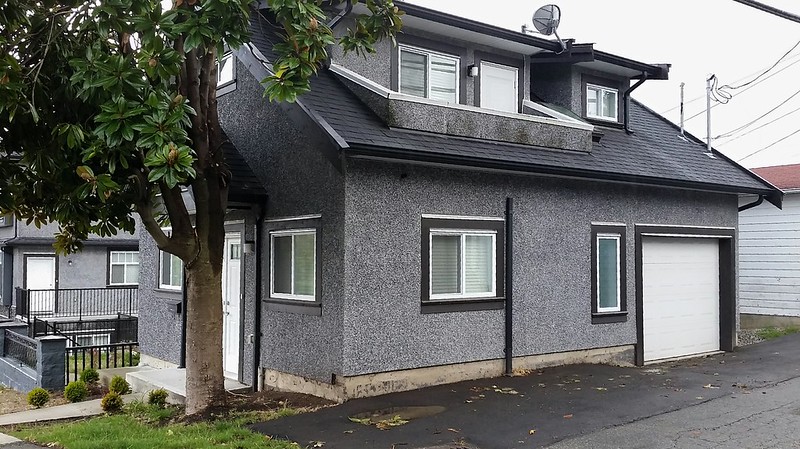
Most bungalow owners start with the basement, because the space already exists. A garden suite is a bigger project but offers more privacy for everyone.
| Factor | Basement apartment | Garden suite |
|---|---|---|
| Starting point | Existing space | New building |
| Typical cost | Lower | Higher |
| Privacy | Shared walls and floors | Fully detached |
| Natural light | Limited by window size | Usually better |
| Main challenges | Ceiling height, moisture, egress | Servicing, fire access, lot size |
If you want to explore the backyard option further, our guide to tiny homes and garden suites explains how they work. Some owners build the basement unit first, then add a garden suite years later as savings allow.
Key code requirements for a legal unit
| Requirement | Why it matters |
|---|---|
| Fire separation | Slows fire spread between units |
| Egress windows or exits | Lets people escape safely from bedrooms |
| Separate or compliant shared entrance | Gives each unit safe, independent access |
| Smoke and CO alarms | Interconnected alarms are often required |
| Ceiling height and room sizes | Must meet Ontario Building Code minimums |
| Electrical and plumbing | Must be permitted, inspected and safe |
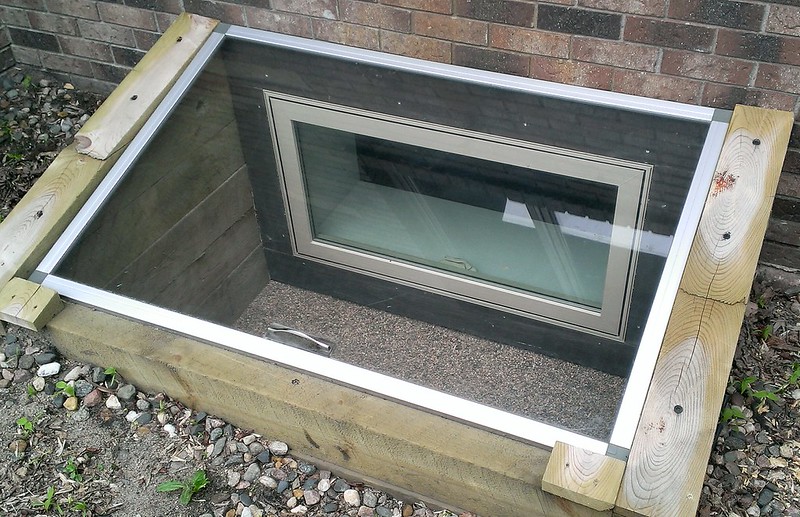
Exact requirements depend on your design and the code. A designer or architect familiar with second units can tell you what applies.
The step-by-step process
- Check zoning. Confirm what your lot allows, including parking and size limits.
- Assess the space. Look at basement height, moisture, windows and access.
- Hire a qualified designer. Get drawings that meet the Building Code and Fire Code.
- Apply for a building permit. Submit drawings and pay the fees.
- Build with inspections. City inspectors check framing, plumbing, electrical, insulation and fire separation.
- Get an electrical inspection through the Electrical Safety Authority.
- Close the permit and register the unit if your city requires it.
Bungalow tip: Test for moisture before you design. A dry basement is the foundation of a good rental unit, and fixing water issues first saves money later.
Budgeting for your new unit
Costs vary widely depending on the size of the space, the state of the basement and the finishes you choose. Get at least three quotes from contractors who have built legal units before.
Your budget should cover:
- Design, drawings and engineering.
- Permit fees.
- Construction, including fire separation and egress windows.
- Kitchen, bathroom and laundry.
- Possible upgrades to the electrical panel, plumbing or water service.
- A contingency for surprises.
Talk to a mortgage agent about financing options, such as using home equity. Ask an accountant how rental income and renovation costs affect your taxes.
Common mistakes to avoid
- Starting work before the permit is issued.
- Assuming an existing basement apartment is legal because it was there when you bought.
- Skipping fire separation details to save money.
- Forgetting to tell your insurance company about the unit.
- Under-budgeting for basement waterproofing.
An illegal unit can lead to orders to fix or remove it, insurance problems and safety risks. Doing it right protects your tenants, your investment and your resale value.
Frequently asked questions
Can I add a basement apartment to my bungalow in Ontario?
In most serviced urban areas, yes. Provincial rules allow up to 3 units, but you must meet zoning, Building Code and Fire Code rules and get a permit.
Do I need to register my second unit?
Some municipalities, including Brampton, require registration. Check with your city.
How do I know if an existing basement unit is legal?
Ask the seller for permits and any registration, and check with the city’s building department. A unit without permits may need work to become legal.
Will adding a unit increase my property taxes?
It can, since added living space may raise your assessed value. Your municipality and MPAC can explain how it applies to you.
The bottom line
Ontario’s rules make it easier than ever to add a rental unit to your bungalow. The key is doing it legally, with permits, inspections and a realistic budget.
Learn more ways to put your property to work in our guide to earning income from your bungalow.
Bungalows for sale in Brampton right now
Live listings from the area this article covers.
 $969,000375 Bartley Bull Parkway, Brampton3+1 bed · 2 bath · Bram EastCourtesy of CENTURY 21 MILLENNIUM INC.
 $789,000173 Fairhill Avenue, Brampton2+2 bed · 3 bath · Fletcher's MeadowCourtesy of CENTURY 21 MILLENNIUM INC.
 $849,00059 Royce Avenue, Brampton4 bed · 4 bath · Downtown BramptonCourtesy of RE/MAX GOLD REALTY INC.
 $699,90014 Trueman Street, Brampton2 bed · 2 bath · Queen Street CorridorCourtesy of RE/MAX OPTIMUM REALTY
 $669,99987 Belmont Drive, Brampton3+1 bed · 2 bath · AvondaleCourtesy of RE/MAX REAL ESTATE CENTRE INC.
 $899,888149 Manitou Crescent, Brampton3+2 bed · 2 bath · Central ParkCourtesy of CENTURY 21 MILLENNIUM INC.