You can earn income from your bungalow by renting a basement unit or garden suite, renting rooms, leasing parking or storage, or running a home-based business. Bungalows are well suited to this because they often have full basements, wide lots and garages. The best option depends on your space, local rules and how much time you want to spend.
Key takeaways
- A legal second unit is usually the biggest income source.
- Smaller options like parking or storage need little setup.
- Check zoning, permits and insurance before you start.
- Rental and business income is generally taxable.
Big income options: rental units
1. A legal basement apartment
Many bungalows have a full basement with a side entrance. That makes them strong candidates for a self-contained unit. A legal unit needs permits, fire separation, egress windows and a proper entrance. Many GTA cities, including Brampton, also require registration.
2. A garden suite
Ontario’s More Homes Built Faster Act (Bill 23, 2022) allows up to 3 residential units on most serviced urban lots. On a deep bungalow lot, a garden suite in the backyard can be a third unit. It needs zoning approval, a building permit and servicing.
3. Renting rooms
If you have spare bedrooms, renting rooms can be simple to start. You’ll share space, so set clear house rules. Some arrangements where tenants share a kitchen or bathroom with the owner aren’t covered by the Residential Tenancies Act, so get advice on your setup.
Our guide to adding a rental unit to a bungalow walks through the building process.
Smaller income ideas with less setup
4. Rent out parking
If you live near a GO station, hospital, university or busy downtown, a driveway spot can be in demand. Check local by-laws and your insurance first.
5. Rent out storage
A dry garage, shed or basement room can store someone’s furniture, tools or seasonal gear. Use a written agreement and keep a list of what’s stored.
6. Rent your garage as a workshop
Hobbyists sometimes look for space to work on cars or woodworking. Make sure the use fits your zoning, insurance and noise by-laws.
7. Host filming or photo shoots
Some homeowners rent their homes to film or photo crews. Demand is uneven and depends on your home’s look and location, so treat it as occasional income.
Home-based business income
8. Run a business from home
A bungalow’s main-floor layout can work well for a home office, studio or small client-facing business, like tutoring or bookkeeping. A separate entrance helps keep work and home life apart.
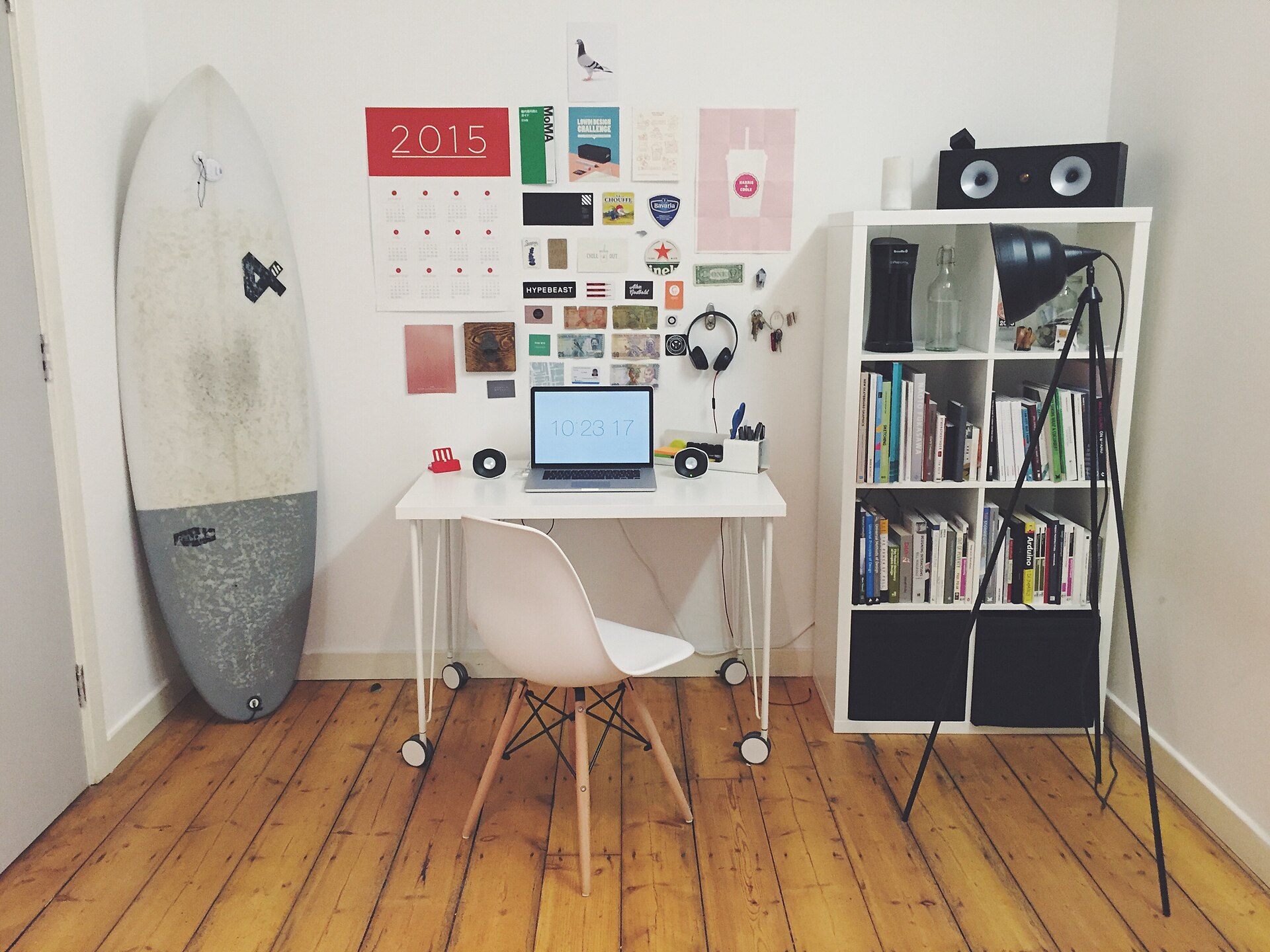
Check your municipality’s home occupation rules. Some limit signage, client visits, employees or parking. If clients visit, tell your insurer.
9. Offer short-term stays where allowed
Some GTA cities, including Toronto, allow short-term rentals only in a host’s principal residence, with registration. If you live in the bungalow, renting a room or unit short term may be possible. Check your city’s by-law before listing. Our post on long-term vs short-term tenants compares the two approaches.
Comparing your income options
| Option | Setup cost | Effort | Income potential |
|---|---|---|---|
| Basement apartment | Higher | Moderate | Higher |
| Garden suite | Highest | Moderate | Higher |
| Renting rooms | Low | Moderate | Moderate |
| Parking | Very low | Low | Low |
| Storage | Very low | Low | Low |
| Home business | Varies | Varies | Varies |
Rules, insurance and taxes to check first
Before you earn a dollar, cover the basics:
- Zoning and by-laws: confirm the use is allowed on your property.
- Permits: required for new units and many renovations.
- Insurance: tell your insurer about any rental or business use, or a claim could be denied.
- Mortgage: some lenders have rules about rental use, so check your terms.
- Taxes: rental and business income is generally taxable, and renting part of your home can affect taxes when you sell.
Talk to an accountant about deductions and the principal residence exemption, and to an insurance broker about the right coverage.
Bungalow tip: Start with the income stream that matches your space. A home with a separate entrance is a natural fit for a basement unit, while a home near transit may earn steady parking income.
How to choose the right income stream
Start by asking three simple questions:
- How much privacy do I want? A self-contained unit keeps tenants separate. Renting rooms means sharing your kitchen and living space.
- How much cash can I invest up front? Parking and storage cost almost nothing to start. A garden suite can cost as much as a major renovation.
- How much time do I have? Long-term tenants need less attention than short-term guests or a client-facing business.
Many owners stack two options, such as a basement unit plus a rented parking spot. Start with one, learn how it runs, then add another if it suits your life.
Frequently asked questions
What’s the most profitable way to earn income from a bungalow?
For most owners, a legal basement apartment or garden suite earns the most. These also cost the most to set up, so compare cost and payback.
Do I need permission to rent out my driveway?
Rules vary by municipality. Check your local by-laws and tell your insurer before you rent a parking spot.
Will renting part of my home affect my taxes?
It can. Rental income is generally taxable, and renting part of your home may affect your principal residence exemption. An accountant can explain the details.
Can I run a business from my bungalow?
Often, yes, within your city’s home occupation rules. Check limits on signage, client visits and employees.
The bottom line
Your bungalow can create income in more ways than you might think. Start with what fits your space and lifestyle, follow the rules and keep good records.
If you’re shopping for a home with built-in income potential, browse bungalows with a separate entrance or investor-friendly bungalows.