Socially responsible development means adding or improving housing in a way that helps the community, not just the bottom line. On a bungalow lot, that usually looks like gentle density (a legal basement unit or garden suite), accessible design, energy-efficient construction and respect for neighbours during the build. This guide explains how owners and small builders in Ontario can build with purpose.
Key takeaways
- Bungalow lots are well suited to gentle density like basement units and garden suites.
- Ontario allows up to three units on most serviced urban lots, with permits.
- Accessible, energy-efficient design serves more people for longer.
- Good communication with neighbours makes projects smoother.
What does socially responsible development mean for a bungalow?
Most people picture big towers when they hear “development.” But much of the GTA’s future housing could come from small projects on existing lots. A post-war bungalow on a wide lot is a prime candidate.
Responsible development on that scale asks a few simple questions. Does the project add safe, legal homes? Will it work for people of different ages and abilities? Does it use energy wisely? And does it treat neighbours and tenants fairly?
Gentle density: adding homes without changing the street
Gentle density means adding units in a way that fits the neighbourhood’s scale. Under Ontario’s More Homes Built Faster Act (Bill 23, 2022), most urban residential lots with municipal services can have up to three units. A common setup is the main house, a basement unit and a garden suite.
| Option | What it is | Good fit when |
|---|---|---|
| Basement second unit | A self-contained apartment in the lower level | Good ceiling height, egress windows and a separate entrance are possible |
| Garden suite | A detached unit in the backyard | Deep lot with access for services and emergency routes |
| Laneway suite | A detached unit facing a rear lane | Lot backs onto a public lane, mostly in older Toronto areas |
| Addition with a unit | A new storey or rear addition containing a unit | Zoning allows the extra height or footprint |
Every unit still needs permits, fire separation, proper exits and compliance with the zoning by-law and the Ontario Building Code and Fire Code. Many cities, including Brampton, also require second units to be registered. Our guides to garden suites in Toronto and building a bungalow rental unit go deeper.
Design for everyone: accessibility and universal design
A unit that only works for a narrow group of people limits who can live there. Building accessibly from the start costs less than retrofitting later. Look at features like:
- No-step entries or gently sloped walkways.
- Doorways about 36 inches wide.
- Curbless or walk-in showers with space for grab bars.
- Lever handles and rocker light switches.
- Main-level laundry and living on one floor where possible.
Garden suites and main-floor units are often the easiest places to build in accessibility. Our post on universal design principles explains the approach in detail.
Build efficient homes that are cheaper to live in
Energy efficiency is good for the planet and for whoever pays the bills. That matters a lot in rental units, where tenants often have tight budgets.
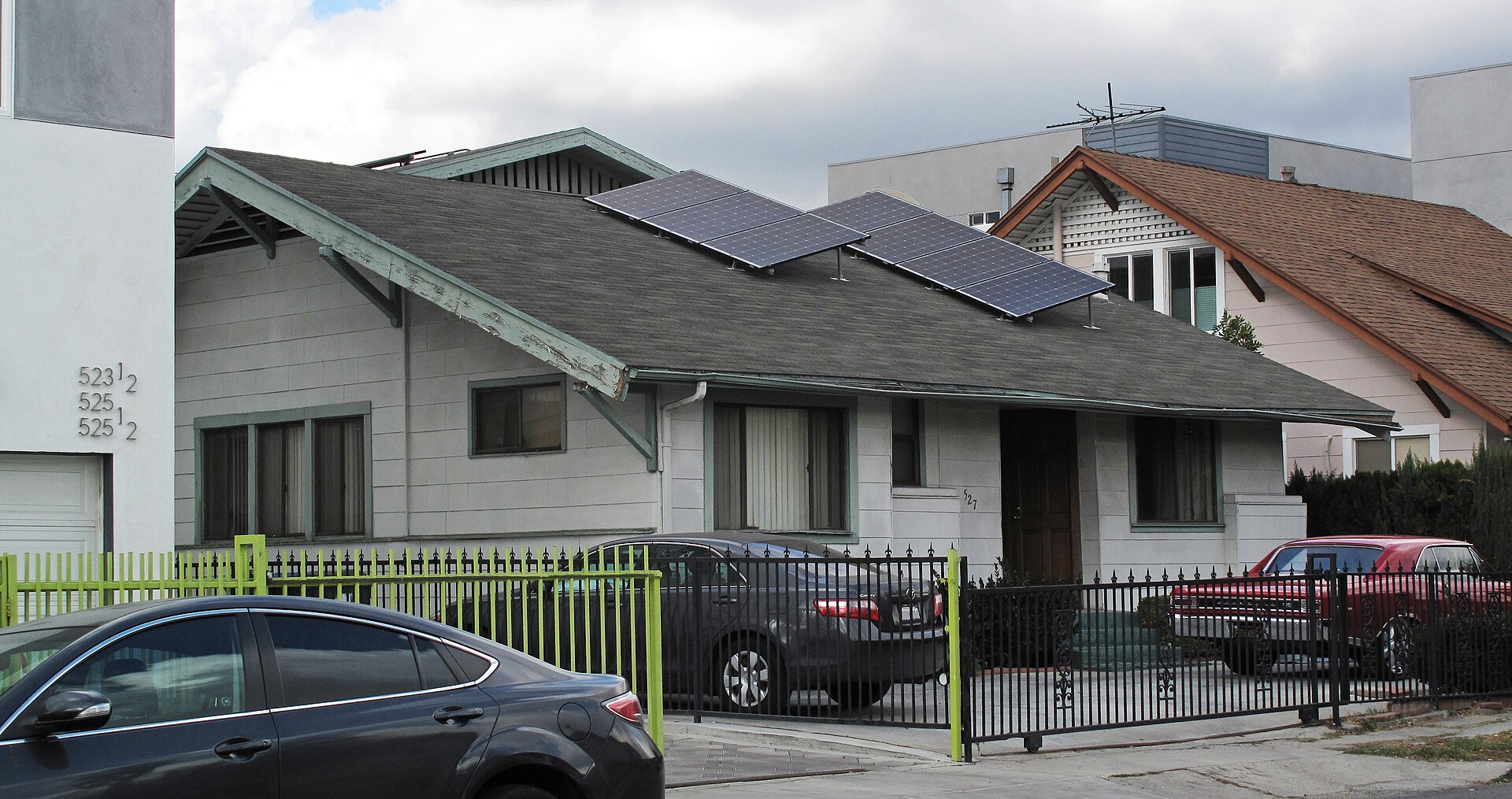
- Air-seal and insulate well, especially in basements and attics.
- Choose efficient heating and cooling, such as a heat pump where suitable.
- Install good windows sized for light and safe exit.
- Add separate controls or meters where practical so each household can manage its use.
- Use durable, low-maintenance materials that last.
Bungalow tip: Plan for sound separation between units from day one. Insulated floors and walls make a huge difference to quality of life for both households.
Be a good neighbour during and after the build
Small projects happen next door to real people. A respectful approach makes the process easier for everyone.
- Talk to neighbours before work starts and share a timeline.
- Follow construction-hour by-laws and keep the site tidy.
- Protect mature trees and check tree by-laws before removal.
- Plan parking and waste bins so they don’t block the street.
- Manage drainage so runoff doesn’t flow onto neighbouring lots.
Questions to ask before you start
Before you hire a designer, ask yourself a few honest questions. They help you build something that works for you and the people who will live there.
- Who is this unit for: family, a tenant, or you later in life?
- Can the budget cover permits, design and a contingency for surprises?
- Does the lot have room for safe access, parking and waste storage?
- How will the project affect light, privacy and drainage next door?
Fair, responsible renting
If you add a rental unit, the “responsible” part continues after construction. Use Ontario’s standard lease, keep the unit safe and in good repair, and follow the Residential Tenancies Act. Screen tenants fairly and consistently, and respond to repairs quickly.
Rules for landlords are detailed and can change. A real estate lawyer or a paralegal who handles tenancy matters can help you set things up correctly, and an accountant can explain how rental income affects your taxes.
Frequently asked questions
Can I add a garden suite to my bungalow lot in Ontario?
Many urban lots qualify under Ontario’s rules allowing up to three units. Your municipality’s zoning by-law sets details like size and setbacks, and you will need permits.
Is building a second unit a good investment?
It can add rental income and flexibility, but returns depend on construction costs, rents and financing. Run the numbers with an accountant or mortgage agent before you commit.
What makes a rental unit “responsible”?
It is legal, safe, well built and fairly managed. Good light, sound separation, efficient systems and prompt repairs all matter to the people who live there.
The bottom line
Socially responsible development doesn’t require a tower crane. On a bungalow lot, it means adding legal, accessible and efficient homes while treating neighbours and tenants well.
If you are looking for a property with room to build, browse investor-friendly bungalows for sale and check the zoning before you buy.
Bungalows for sale in Toronto right now
Live listings from the area this article covers.
 $699,0007 Twenty Second Street, Toronto3+3 bed · 3 bath · Long BranchCourtesy of RE/MAX PREMIER INC.
 $945,000257 John Tabor Trail E, Toronto3+2 bed · 2 bath · MalvernCourtesy of RE/MAX ATRIUM HOME REALTY
 $1,145,000109 Gulliver Road, Toronto4 bed · 3 bath · Brookhaven-AmesburyCourtesy of RE/MAX REALTY SPECIALISTS INC.
 $1,398,80074 Navaho Drive, Toronto3+4 bed · 3 bath · Pleasant ViewCourtesy of HOMELIFE LANDMARK REALTY INC.
 $2,990,00061 Highland Crescent, Toronto2+1 bed · 2 bath · Bridle Path-Sunnybrook-York MillsCourtesy of RE/MAX REALTRON BARRY COHEN HOMES INC.
 $1,299,00085 Pegasus Trail, Toronto4+2 bed · 3 bath · WoburnCourtesy of iCloud Realty Ltd.