Investing in another province can be worth it if lower prices and stronger cash flow outweigh the extra work of owning from a distance. But each province has its own landlord laws, closing costs and market cycles. Before you look beyond Ontario, make sure you understand what changes and who will manage the property for you.
Key takeaways
- Lower prices elsewhere don’t always mean better returns.
- Tenant laws, rent rules and closing costs differ by province.
- You’ll need a reliable local team, including a property manager.
- Compare out-of-province deals with options closer to home.
Why Ontario investors look at other provinces
As of August 2026, the GTA average home price was $993,410. That’s a big entry price for an investor, especially one who needs at least 20% down on a rental they won’t live in.
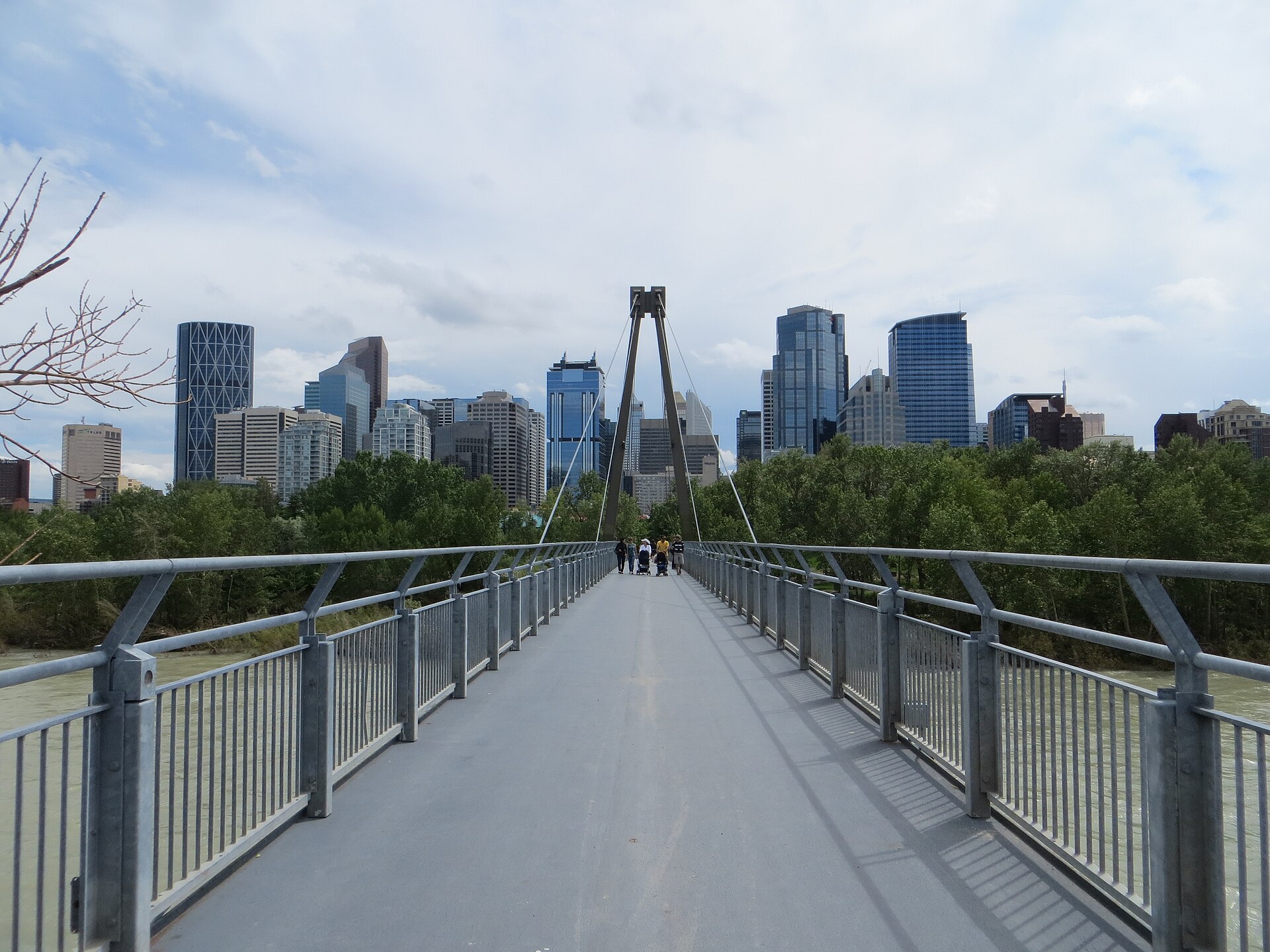
In some other provinces, you can buy a detached home for much less. Rents may be lower too, but the ratio of rent to price can look better on paper. Investors also like the idea of spreading risk across more than one market.
Those are valid reasons. The question is whether the numbers still work after you add the costs and risks of owning from afar.
What changes when you invest in another province
Landlord and tenant law
Every province has its own residential tenancy law and its own tribunal or branch. Rules on rent increases, deposits, notice periods and evictions differ. Some provinces have rent control and some don’t. Learn the local rules before you buy, not after.
Closing costs and taxes
Ontario charges a provincial land transfer tax, and Toronto adds a municipal one. Some provinces, such as Alberta, use smaller title registration fees instead. Property tax rates and how they’re calculated also vary by city.
Financing
Federal mortgage rules apply across Canada, including the stress test. You’ll qualify at the higher of your contract rate plus 2% or 5.25%. Some lenders are more cautious with properties in smaller or slower markets, so check with a mortgage agent early.
Market cycles
Local economies differ. A market tied to one industry can rise fast and fall fast. Look at what drives jobs and population growth in the area.
Pros and cons at a glance
| Pros | Cons |
|---|---|
| Lower purchase prices in many markets | You can’t easily visit the property |
| Potentially stronger cash flow | You depend on a local manager and trades |
| Spreads risk beyond one region | Different laws and paperwork to learn |
| Smaller down payment in dollars | Slower resale in some smaller markets |
How to build your out-of-province team
When you live hours or provinces away, your team is your eyes and ears. Don’t buy until you have these people in place:
- A local real estate agent who knows rental demand street by street.
- A property manager to screen tenants, collect rent and handle repairs.
- A local real estate lawyer or notary, depending on the province.
- A home inspector you trust to give you the full picture.
- An insurance broker who can place a landlord policy.
- An accountant who understands rental income across provinces.
Our guide on choosing a good property management company lists the questions to ask before you hire one.
Run the numbers honestly
Out-of-province deals often look great until you add every cost. Build a simple budget that includes:
- Mortgage payment at a realistic rate.
- Property tax, insurance and utilities you’ll pay.
- Property management fees.
- Maintenance and a repair reserve.
- Vacancy, especially in smaller markets.
- Travel costs to visit at least once a year.
If the deal only works with perfect occupancy and no repairs, it doesn’t work.
Bungalow tip: Before you look far away, check whether a bungalow with a legal second unit closer to home could give you similar cash flow with less risk.
Is it worth it compared to investing in Ontario?
For some investors, yes. If you have experience, a strong local team and a clear plan, another province can add cash flow and balance.
For newer investors, staying closer to home is often smarter. You can drive by, meet tenants and learn as you go. Ontario’s rules allow up to 3 residential units on most serviced urban lots, which gives GTA bungalow owners real options to add income. Our guide to investing in rental property walks through the basics.
Talk to an accountant about how out-of-province rental income is taxed and reported before you commit.
Frequently asked questions
Can I get a mortgage on a rental property in another province?
Yes. Canadian lenders lend across provinces, but some are more cautious in smaller markets. A mortgage agent can match you with a lender that fits.
Do I pay land transfer tax when buying outside Ontario?
It depends on the province. Some charge a land transfer tax, while others charge smaller registration fees. Your local lawyer or notary will confirm the costs.
Are landlord rules the same across Canada?
No. Each province has its own tenancy laws and dispute process. Learn the local rules on rent, deposits and evictions before you buy.
Do I need a property manager if I invest out of province?
Almost always. Unless you can travel quickly, a local manager handles showings, repairs and emergencies that you can’t manage from far away.
The bottom line
Investing in another province can work, but it isn’t a shortcut. The lower price comes with distance, new rules and a team you have to trust.
Compare any out-of-province deal against what’s available here first. Browse our investor-friendly bungalows to see what Ontario offers right now.
Bungalows for sale in Toronto right now
Live listings from the area this article covers.
 $1,500,00097 Estelle Avenue, Toronto3+4 bed · 7 bath · Willowdale EastCourtesy of RE/MAX REALTRON REALTY INC.
 $699,0007 Twenty Second Street, Toronto3+3 bed · 3 bath · Long BranchCourtesy of RE/MAX PREMIER INC.
 $945,000257 John Tabor Trail E, Toronto3+2 bed · 2 bath · MalvernCourtesy of RE/MAX ATRIUM HOME REALTY
 $1,145,000109 Gulliver Road, Toronto4 bed · 3 bath · Brookhaven-AmesburyCourtesy of RE/MAX REALTY SPECIALISTS INC.
 $1,398,80074 Navaho Drive, Toronto3+4 bed · 3 bath · Pleasant ViewCourtesy of HOMELIFE LANDMARK REALTY INC.
 $2,990,00061 Highland Crescent, Toronto2+1 bed · 2 bath · Bridle Path-Sunnybrook-York MillsCourtesy of RE/MAX REALTRON BARRY COHEN HOMES INC.