To invest in rental property in Ontario, set a clear goal, get your financing lined up, buy a property where the rent covers your costs, and manage it under the province’s landlord rules. Most beginners start with one property, often a home with a basement unit, and grow from there. The key is buying on solid numbers instead of hoping prices rise.
Key takeaways
- Know your goal: monthly cash flow, long-term equity or both.
- Plan for at least 20% down on a rental you won’t live in.
- Count every expense, including vacancy and repairs.
- Follow Ontario’s landlord rules from day one.
Step 1: Set your investment goal
Rental property can pay you in two ways: monthly cash flow and long-term equity as the mortgage is paid down. Some investors also hope for price growth, but that’s never guaranteed.
Ask yourself:
- Do I need monthly income, or can I wait for long-term growth?
- How much time can I give to tenants and repairs?
- How long do I plan to hold the property?
- What would I do if a tenant stopped paying or a furnace failed?
Your answers shape what you buy and where.
Step 2: Get your financing in place
Talk to a mortgage agent before you shop. Here’s what to expect as of September 2026:
- Down payment: plan for at least 20% on a property you won’t live in, since default insurance generally isn’t available for pure rentals.
- Owner-occupied option: if you live in one unit, the minimum is 5% on the first $500,000 and 10% on the portion from $500,000 to $1,499,999.
- Stress test: you’ll qualify at the higher of your contract rate plus 2% or 5.25%.
- Rates: typical advertised 5-year fixed rates are in the mid-4% range, and 5-year variable rates are in the mid-3% range.
Also budget for closing costs. A common rule of thumb is 1.5% to 4% of the price on top of your down payment, including land transfer tax, legal fees and inspection.
Step 3: Choose the right type of property
| Property type | Pros | Cons |
|---|---|---|
| Bungalow with basement unit | Two rents, big lot, broad appeal | Unit must be legal; shared systems |
| Condo | Lower price, less maintenance | Condo fees, building rules on rentals |
| Townhouse | Family appeal, moderate price | Possible fees, less land |
| Duplex or triplex | Multiple rents in one building | Higher price, more management |
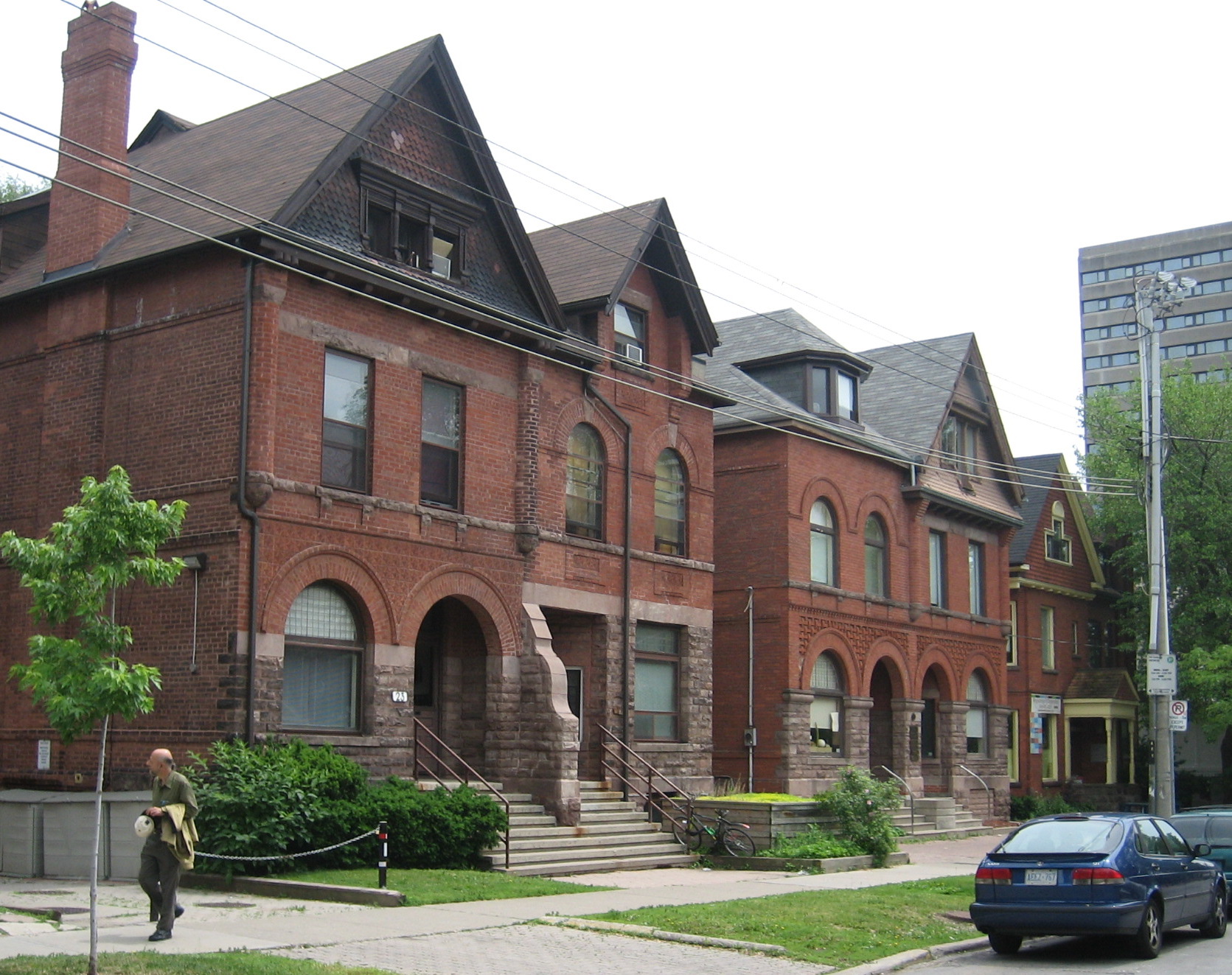
Bungalows are popular with GTA investors because the full basement and larger lot can support extra units. Ontario allows up to 3 residential units on most serviced urban lots. See our investor-friendly bungalows for sale.
Step 4: Run the numbers
Before you make an offer, build a simple monthly budget:
- Start with realistic rent, based on similar units nearby.
- Subtract the mortgage payment.
- Subtract property tax, insurance and any utilities you pay.
- Set aside money for repairs and future replacements.
- Allow for vacancy between tenants.
- Include property management fees if you’ll hire help.
If what’s left is negative, the property costs you money each month. Some investors accept that for long-term growth, but go in with your eyes open. Our mortgage calculators can help you test payments.
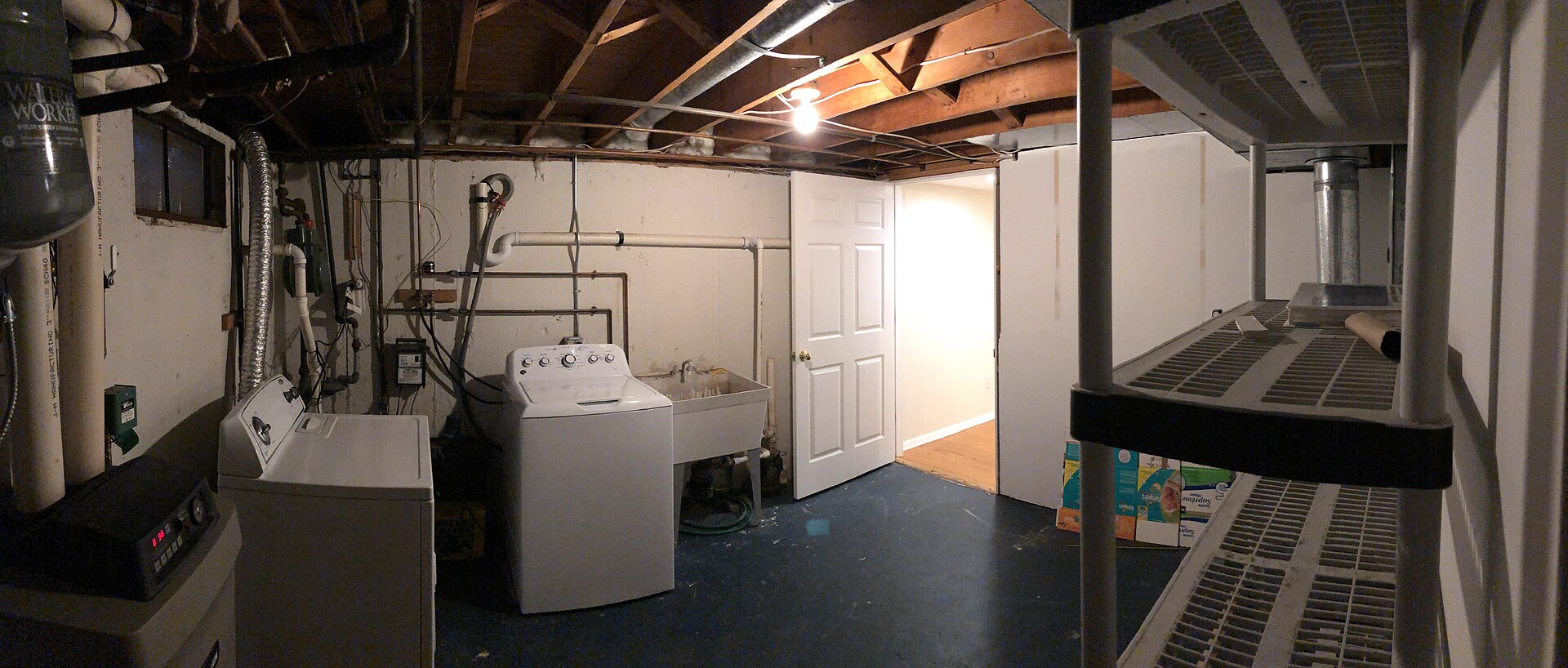
Bungalow tip: A home with a side entrance and good basement height can be much cheaper to convert to a legal unit. Look for those features when you tour.
Step 5: Do your due diligence
- Home inspection: know the condition of the roof, furnace, foundation and electrical.
- Zoning and permits: confirm existing units are legal or that you can add one.
- Existing tenants: if tenants come with the home, review their leases and rent records.
- Insurance: get a landlord policy quote before you firm up.
- Legal review: have a real estate lawyer review the deal.
Step 6: Find and manage tenants
Good tenants are the heart of a good investment. Screen every applicant for income, references and credit. Use the Ontario Standard Lease, which is required for most residential tenancies.
As a landlord, you must follow the Residential Tenancies Act. That covers rent increases, entry, repairs and ending a tenancy. Disputes go to the Landlord and Tenant Board.
If you don’t have the time, a property manager can handle the day-to-day work for a fee.
Step 7: Review and grow
Once a year, review your rent, expenses, mortgage balance and the home’s value. Compare your results to your original plan and fix what’s slipping.
When the first property is running smoothly, you can decide whether to buy another. Some investors use the equity they’ve built. Others try strategies like the BRRRR method. Grow only as fast as your cash cushion and your time allow.
Frequently asked questions
How much money do I need to buy a rental property in Ontario?
For a property you won’t live in, plan for at least 20% down plus closing costs. Living in one unit may lower your down payment.
Is rental property a good investment in 2026?
It can be when the numbers work. With the GTA market moving toward balance as of August 2026, buyers have more room to negotiate than in recent years.
Do I pay tax on rental income?
Yes, rental income is generally taxable, and many expenses can be deducted. Speak with an accountant about your situation.
Should I buy a condo or a house as my first rental?
Condos are cheaper to enter, while houses with second units can earn more rent. Compare the cash flow on both before deciding.
The bottom line
Investing in rental property is a long-term business. Start with clear goals, solid financing and conservative numbers, and treat your tenants well.
When you’re ready to search, set up listing alerts for income-ready bungalows in your target area.
Bungalows for sale in Toronto right now
Live listings from the area this article covers.
 $1,398,80074 Navaho Drive, Toronto3+4 bed · 3 bath · Pleasant ViewCourtesy of HOMELIFE LANDMARK REALTY INC.
 $2,990,00061 Highland Crescent, Toronto2+1 bed · 2 bath · Bridle Path-Sunnybrook-York MillsCourtesy of RE/MAX REALTRON BARRY COHEN HOMES INC.
 $1,299,00085 Pegasus Trail, Toronto4+2 bed · 3 bath · WoburnCourtesy of iCloud Realty Ltd.
 $849,9005 Bradbrook Road, Toronto3 bed · 2 bath · Islington-City Centre WestCourtesy of RE/MAX PROFESSIONALS INC.
 $1,248,00036 Kamloops Drive, Toronto3+1 bed · 3 bath · Pleasant ViewCourtesy of RE/MAX REALTY SPECIALISTS INC.
 $1,080,00051 Rothsay Avenue, Toronto2+1 bed · 2 bath · Stonegate-QueenswayCourtesy of HARVEY KALLES REAL ESTATE LTD.