
Calming home design is about shaping light, colour, sound and clutter so your home feels restful instead of busy. Bungalows make this easier than most homes because everything is on one level, so you can create a natural flow from lively shared spaces to quiet bedrooms and connect each room to daylight and the outdoors.
Key takeaways
- Natural light, views of greenery and fresh air help a home feel calm.
- Soft, muted colours and natural materials create a restful backdrop.
- Separate active zones from quiet zones in the floor plan.
- Hidden storage reduces visual clutter, which makes rooms feel more peaceful.
- Small changes like lighting and rugs can shift how a room feels.
Why home design affects how you feel
Most people notice the difference between a bright, tidy room and a dark, cluttered one. Light, noise, colour and order all influence how relaxed or tense a space feels. Design can’t solve every stress, but it can make your home a better place to unwind.
This is general design guidance, not health advice. If stress or sleep is a concern, a health professional is the right person to talk to.
Why bungalows suit calm living
Bungalows have built-in advantages:
- One-level flow: no stairs dividing the household, and a natural path from public to private spaces.
- Close to the yard: most rooms are steps from the garden or patio.
- Quieter bedrooms: in many plans, bedrooms sit in their own wing away from the kitchen.
- Simple structure: it’s easier to see and organize the whole home.
Bring in natural light
Daylight makes rooms feel open and lifts the mood of a space. To get more of it:
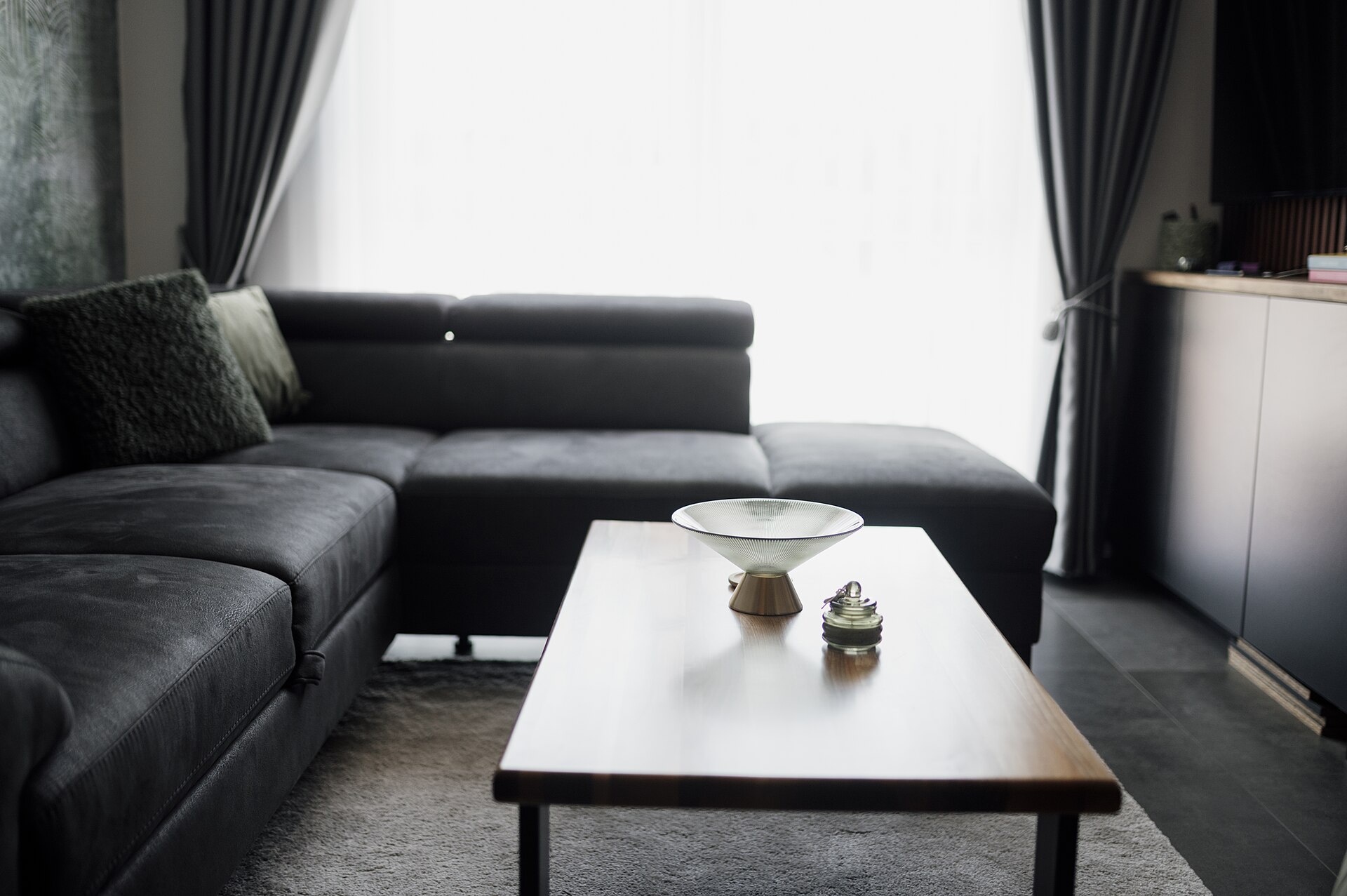
- Use light, sheer window coverings during the day.
- Trim shrubs and branches that block windows.
- Paint walls in light, warm neutrals that reflect light.
- Consider a skylight or solar tube in a dark hallway.
- Place mirrors across from windows.
Our guide to natural light in a bungalow has more detailed ideas.
Choose colours and materials that feel restful
Colour sets the tone of a room. Soft greens, warm whites, gentle greys and muted blues are popular in bedrooms and living rooms because they feel calm. Save bold colours for accents, like a pillow, a front door or a piece of art.
Natural materials add warmth. Think wood, stone, linen, wool and plants. They bring texture and a link to the outdoors. Learn how colour choices change a room in our post on colour psychology in bungalow interiors.
| Room | Calming colour ideas | Material ideas |
|---|---|---|
| Bedroom | Soft green, warm grey, muted blue | Linen bedding, wool rug, wood furniture |
| Living room | Warm white, greige, sage | Natural wood, cotton throws, plants |
| Bathroom | Pale blue, soft white | Stone-look tile, wood vanity, cotton towels |
| Home office | Light neutral with a soft accent | Wood desk, task lighting, a plant |
Create quiet zones and active zones
A calm home has places for both energy and rest. In a bungalow, the kitchen and living area are often the active zone. Bedrooms and a reading corner are quiet zones.
Ways to separate them:
- Keep TVs and gaming out of bedrooms.
- Use rugs, curtains and upholstered furniture to soften sound.
- Add solid-core doors to bedrooms and the office.
- Set up a reading nook in a corner away from the kitchen. See our ideas for cozy reading nooks.
- Use the basement for noisy activities like workouts or movie nights.
Bungalow tip: Put warm, dimmable lamps on timers in the living room and bedrooms. Softer light in the evening signals that the busy part of the day is over.
Reduce clutter with smart storage
Clutter makes a room feel busy even when it’s clean. Built-in and hidden storage helps:
- A closed cabinet for electronics and chargers.
- Baskets for blankets and toys.
- A drop zone by the door for keys, bags and mail.
- Under-bed drawers in bedrooms.
- A simple rule: one item in, one item out.
Our post on bungalow storage ideas has room-by-room solutions.
Connect with the outdoors
A view of greenery can make a room feel more relaxed. Place a favourite chair facing a window. Add a bird feeder or planter outside a frequently used window. A small patio or bench in the garden gives you a quiet spot for morning coffee.
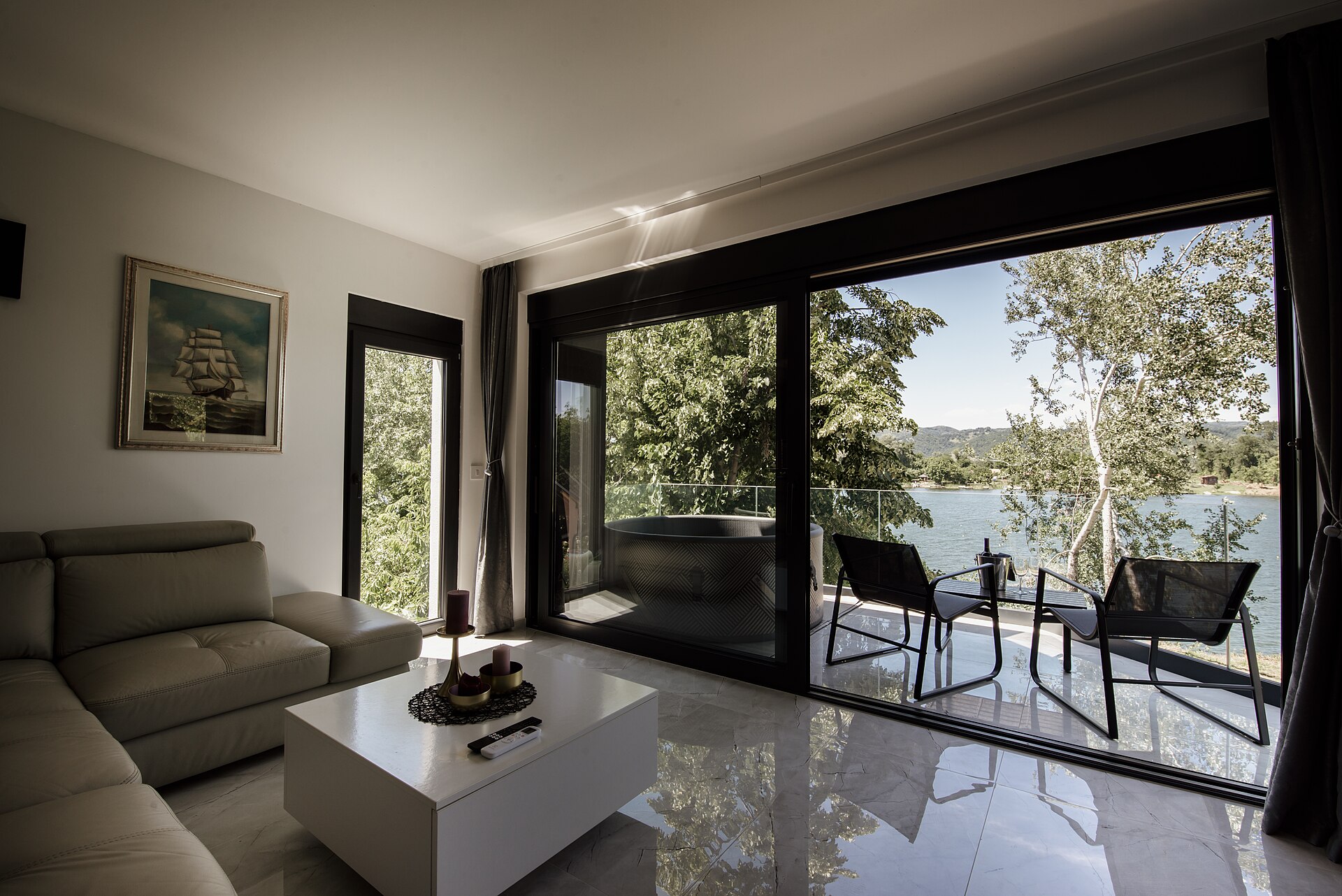
Indoor plants work too. Choose easy, low-light varieties for rooms with fewer windows.
Quick changes you can make this week
You don’t need a renovation to make your home feel calmer. Try a few of these:
- Clear every flat surface in one room and put back only what you use or love.
- Swap cool, bright bulbs for warm, dimmable ones in living areas.
- Add a rug and curtains to a room that echoes.
- Move a chair to face a window or the garden.
- Bring in one or two easy-care plants.
Notice how each change feels after a few days, then keep what works.
Frequently asked questions
What colours make a home feel calm?
Soft, muted shades like sage green, warm white, gentle grey and pale blue are common choices. Use brighter colours as small accents rather than on every wall.
How can I make a small bungalow feel more peaceful?
Reduce clutter, add natural light, use soft lighting at night and separate busy areas from quiet ones. Rugs and curtains also help absorb noise.
Do plants make a home feel more relaxing?
Many people find that plants make a room feel fresher and more connected to nature. Pick varieties that suit your light levels and the time you have for care.
The bottom line on calming home design
A calm home comes from many small choices: more daylight, softer colours, quieter bedrooms and less clutter. Bungalows make these choices easier thanks to their one-level flow and close link to the outdoors.
Looking for a bungalow that already feels peaceful? Try Bungalow Swipe to browse homes and save the ones that catch your eye.