The tiny house trend is about living well in less space, whether that’s a true tiny home, a garden suite behind a bungalow or a compact condo. In Ontario, the most practical way to join the trend in 2026 is often a permitted garden suite or other additional residential unit on an existing lot. Here’s why small living appeals, what the rules say and who it truly suits.
Key takeaways
- Small-space living appeals for cost, simplicity and lower environmental impact.
- Ontario allows up to three units on most serviced urban lots, which opens the door to garden suites.
- Tiny homes still need to meet zoning, the Building Code and permit rules.
- Financing and insuring a tiny home can be harder than a regular house.
What is driving the tiny space trend?
High home prices in the GTA have pushed many people to rethink how much space they need. At the same time, more buyers want simpler lives with less to clean, heat and maintain.
Several groups find small living appealing:
- Young adults who want independence without a large mortgage
- Downsizers who want to live near family but in their own space
- Homeowners looking for rental income from their backyard
- People who care about lower energy use and a smaller footprint
Tiny homes vs garden suites vs small bungalows
“Tiny living” can mean different things. Each option has its own rules and trade-offs.
| Option | What it is | Main hurdle |
|---|---|---|
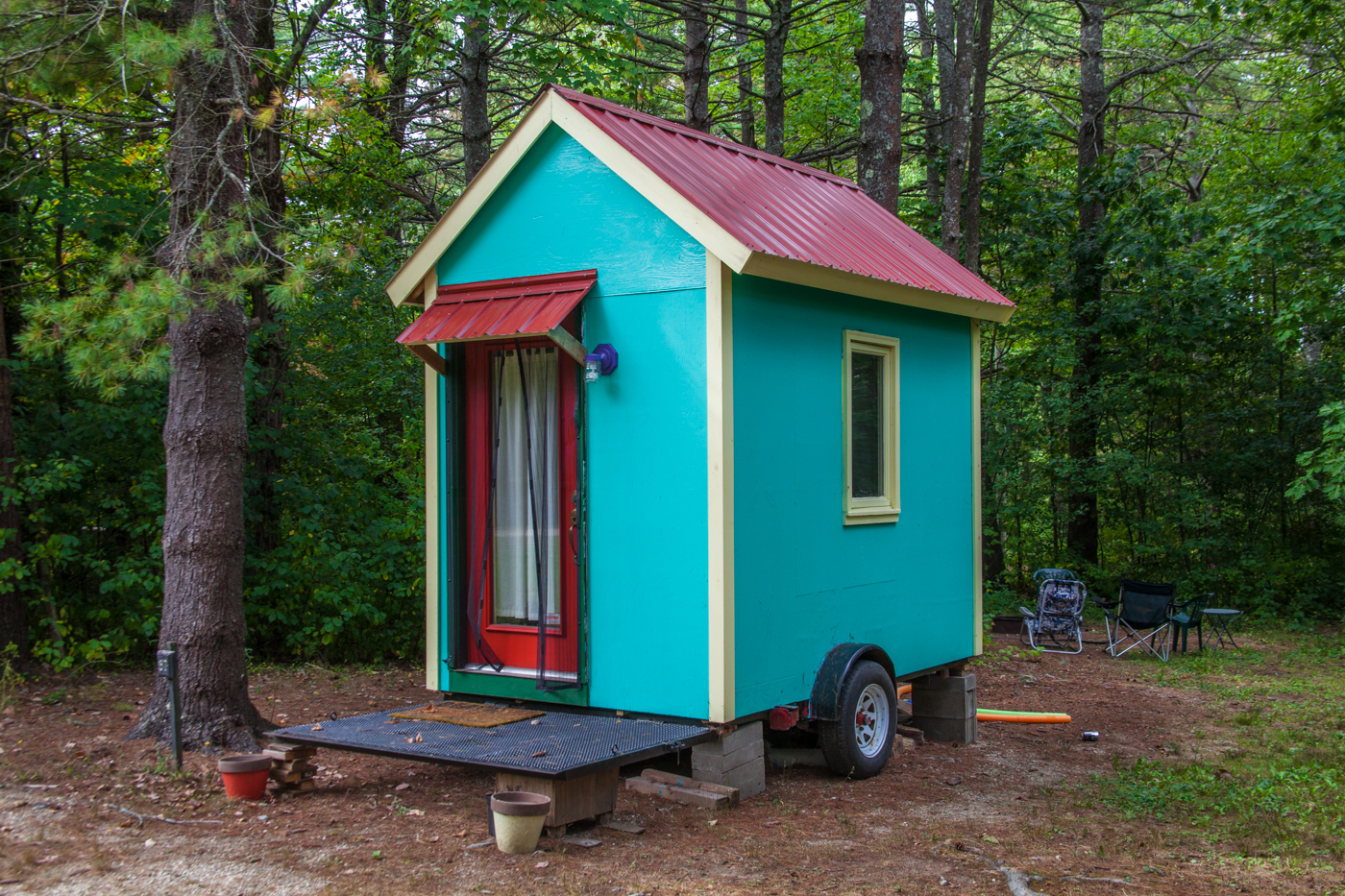
| Tiny home on wheels | A small dwelling built on a trailer | Often not allowed as a permanent home on residential lots |
| Tiny home on a foundation | A small permanent house | Zoning, minimum sizes and servicing |
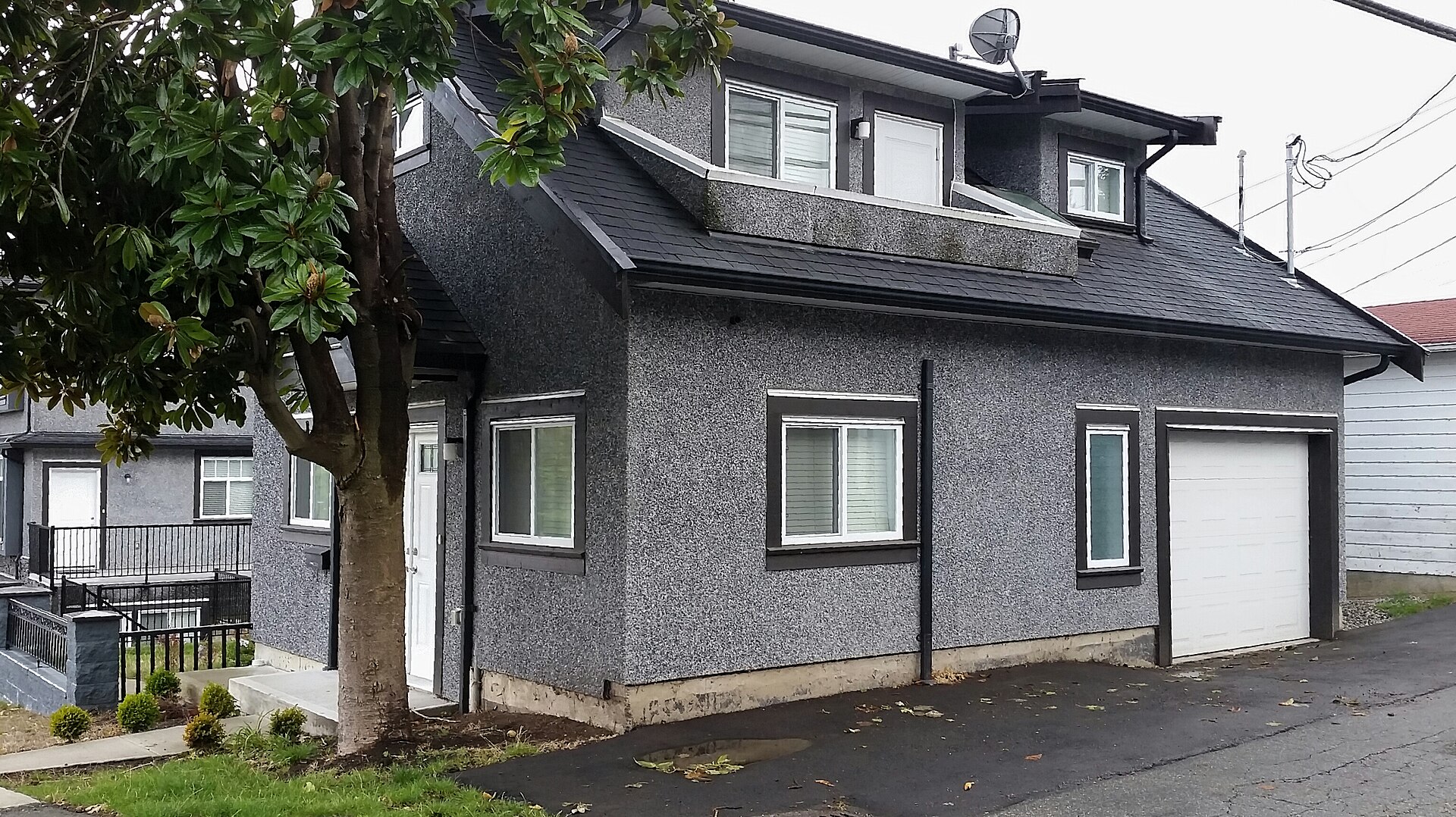
| Garden suite | A detached unit in the backyard of an existing home | Permits, lot size and access requirements |
| Laneway house | A unit facing a rear laneway | Only possible on lots with lane access |
| Small bungalow or condo bungalow | A compact, conventional home | Price and limited supply |
What Ontario’s rules allow
Ontario’s More Homes Built Faster Act (Bill 23, 2022) allows up to three residential units on most urban lots with municipal services. A common setup is the main house, a basement unit and a garden suite.
That doesn’t mean anything goes. You still need to follow your municipality’s zoning by-law, the Ontario Building Code and the Fire Code. Permits are required, and rules on size, height, setbacks and emergency access vary by city.
If you live in Toronto, our guide to garden suites in Toronto covers local details. For lane-access lots, read what to know about laneway houses.
Bungalow tip: Bungalows on wide, deep lots are often well suited to garden suites. Before you buy, ask your agent to pull the lot dimensions and check whether the zoning allows an additional unit.
The real pros and cons of living small
The upsides
- Lower heating, cooling and maintenance costs
- Less stuff and less time spent cleaning
- A chance to live close to family while keeping privacy
- A smaller environmental footprint
The downsides
- Limited storage, which demands regular decluttering
- Little space for guests, hobbies or working from home
- Harder financing and insurance for non-traditional homes
- Resale can be limited, since a garden suite usually can’t be sold separately from the main house
What does small living really cost?
Tiny doesn’t always mean cheap. A garden suite still needs a foundation, plumbing, electrical work and a heating system. Running new water and sewer lines across a backyard can add a lot. Design fees and permits add more.
Costs vary widely by lot, city and finish level. Get at least three quotes from contractors who have built permitted suites before. Ask each one for past examples and references.
Also budget for ongoing costs. Property taxes may rise once a new unit is assessed. Insurance and utilities will go up too.
Who the tiny space trend suits best
Small living works best when it matches your life stage. A retiree living in a garden suite behind a child’s bungalow gets independence and support. A young adult can save money while living near family.
It’s harder for growing families, people with lots of hobbies or anyone who needs a full home office. Be honest about how you spend your days before you commit to a small footprint.
How to try small living before you commit
- Rent a compact apartment or tiny cabin for a few weeks.
- Declutter your current home to see what you really use.
- Measure the furniture you’d keep and sketch it in a small floor plan.
- Talk to your municipality about what’s allowed on your lot.
- Speak with an insurance broker and a lender before you build or buy.
Frequently asked questions
Can I live in a tiny house in my backyard in Ontario?
In many cities, yes, if it’s built as a permitted garden suite that meets zoning and Building Code rules. Tiny homes on wheels are usually not approved as permanent dwellings, so check with your municipality.
Is it hard to get a mortgage for a tiny home?
It can be, especially for homes on wheels or without a permanent foundation. A mortgage agent can tell you which lenders consider small or non-traditional homes.
Does a garden suite add value to a bungalow?
It can add appeal, especially for multigenerational buyers and investors. Value depends on the quality of the build, permits and local demand.
Is small living right for you?
The tiny space trend isn’t just a fad. It reflects real interest in simpler, more affordable living. In Ontario, the smartest path is often a permitted unit or a compact bungalow, not a trailer in a field.
If you’d like a smaller home that’s still a full house, browse condo bungalows for sale for easy one-level living.
Bungalows for sale in Toronto right now
Live listings from the area this article covers.
 $1,500,00097 Estelle Avenue, Toronto3+4 bed · 7 bath · Willowdale EastCourtesy of RE/MAX REALTRON REALTY INC.
 $699,0007 Twenty Second Street, Toronto3+3 bed · 3 bath · Long BranchCourtesy of RE/MAX PREMIER INC.
 $945,000257 John Tabor Trail E, Toronto3+2 bed · 2 bath · MalvernCourtesy of RE/MAX ATRIUM HOME REALTY
 $1,145,000109 Gulliver Road, Toronto4 bed · 3 bath · Brookhaven-AmesburyCourtesy of RE/MAX REALTY SPECIALISTS INC.
 $1,398,80074 Navaho Drive, Toronto3+4 bed · 3 bath · Pleasant ViewCourtesy of HOMELIFE LANDMARK REALTY INC.
 $2,990,00061 Highland Crescent, Toronto2+1 bed · 2 bath · Bridle Path-Sunnybrook-York MillsCourtesy of RE/MAX REALTRON BARRY COHEN HOMES INC.