You break even on a house when the equity you’ve built covers every cost of buying and later selling it. That equity comes from paying down your mortgage plus any rise in the home’s value. With flat prices, it often takes several years; in a rising market, it can take much less.
Key takeaways
- Your breakeven point is when equity gains exceed your total buying and selling costs.
- Land transfer tax and selling costs are the biggest items to recover.
- Mortgage paydown builds equity even when prices are flat.
- If prices fall, your breakeven point moves further out.
What does “break even” mean when you own a home?
When you buy a bungalow, some of your money disappears into one-time costs. When you sell, more goes out the door. Breaking even means you walk away with at least as much as you put in, after those costs.
The formula is simple:
Breakeven when: mortgage principal paid + price change ≥ buying costs + selling costs
This ignores the fact that you’d pay for housing either way. If you’re comparing buying to renting, that’s a different question, covered below.
Step 1: Add up your buying costs
- Land transfer tax: on a $900,000 home outside Toronto, Ontario’s tax is $14,475. Inside Toronto, the municipal tax roughly doubles it.
- Legal fees and disbursements
- Title insurance, inspection and appraisal
- Mortgage default insurance, if you put down less than 20%. It’s added to your mortgage, but it’s still a cost.
- Moving costs
A common rule of thumb is that closing costs run 1.5% to 4% of the price. See our guide to Ontario land transfer tax for exact figures.
Step 2: Estimate your selling costs
- Real estate commission plus 13% HST: commission is negotiable. Every 1% on a $900,000 sale costs $10,170 with HST.
- Legal fees for the sale
- Mortgage penalty, if you break your term early
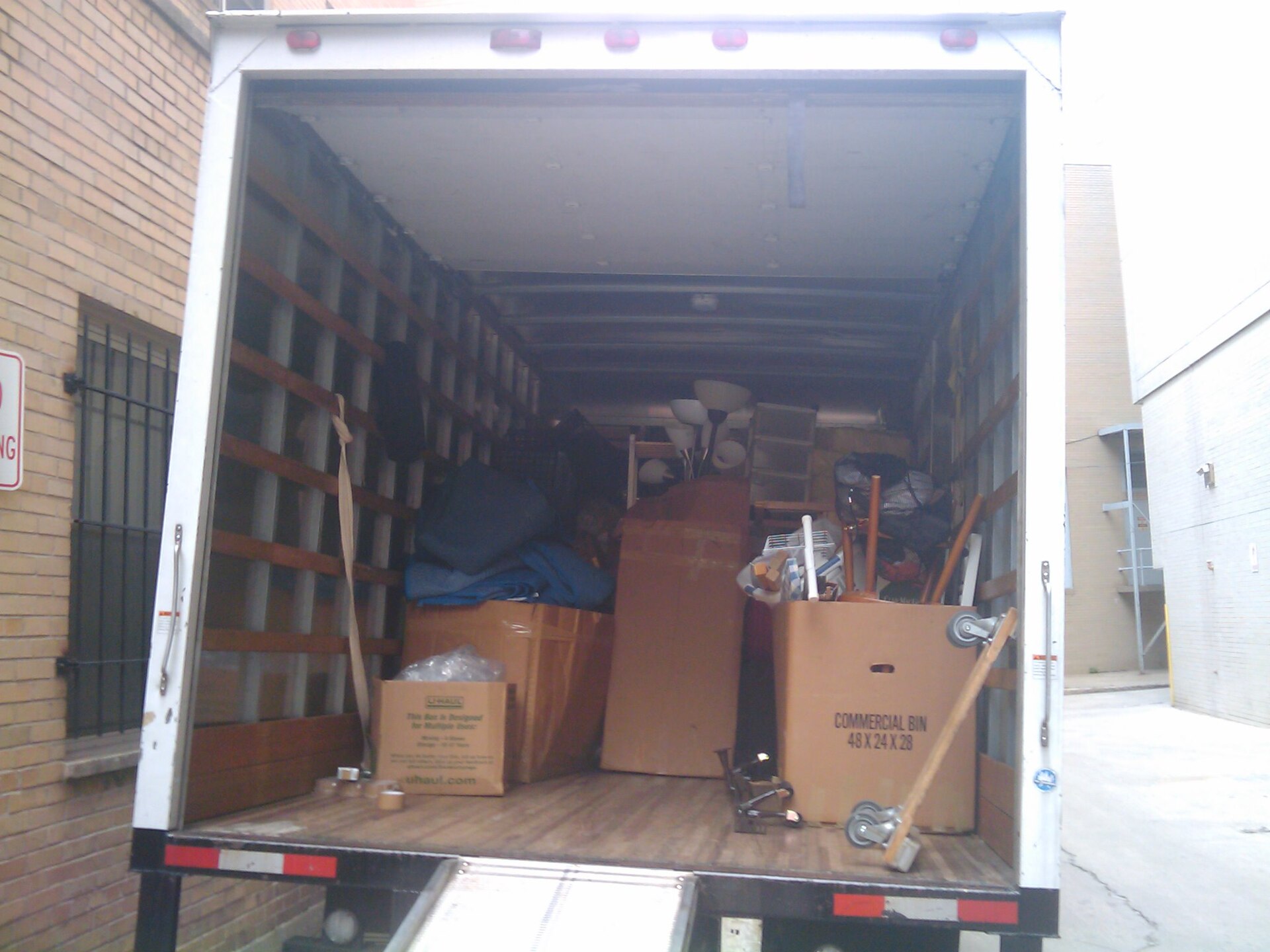
- Staging, repairs and moving
Learn more in our explainer on real estate commission in Ontario.
Step 3: Estimate your equity gains
Mortgage paydown
Every payment reduces your principal. Say you buy a $900,000 bungalow in Mississauga with 20% down and borrow $720,000 over 30 years at 4.5%. Your payment is about $3,630 a month. You’d pay down roughly:
| After | Principal paid (approx.) |
|---|---|
| 1 year | $11,700 |
| 3 years | $36,700 |
| 5 years | $64,100 |
A 25-year amortization builds equity faster, but with a higher payment.
Price change
Prices can rise or fall. As of August 2026, the GTA’s MLS HPI composite benchmark was down 4.5% from a year earlier, according to TRREB. Don’t assume growth when you plan.
Worked breakeven examples
Using the same $900,000 home, assume your total buying and selling costs add up to $60,000. This is only an illustration; your figures will differ.
| Scenario | What happens | Approximate breakeven |
|---|---|---|
| Prices stay flat | Only mortgage paydown builds equity | Between 4 and 5 years |
| Price rises $20,000 a year | Paydown plus growth | About 2 years |
| Price drops 4.5% in year one, then holds | You first need to recover about $40,500 | Well beyond 5 years |
The lesson: the shorter your expected stay, the more a price dip or high transaction costs can hurt.
Bungalow tip: Bungalows appeal to downsizers, young families and investors alike, which can widen your future buyer pool. Still, plan to stay long enough that you don’t need the market to rise to break even.
Buying vs renting: a different breakeven
To compare owning with renting, set the costs of owning that you don’t get back against the rent you’d otherwise pay. Those owning costs include mortgage interest, property tax, insurance, maintenance and the return your down payment could earn elsewhere. Add the one-time costs of buying and selling. Our post comparing renting vs buying a bungalow in the GTA walks through it.
How to reach breakeven sooner
- Buy right. Paying a fair price matters more than anything else.
- Reduce costs. Use first-time buyer land transfer refunds and compare legal and moving quotes.
- Add income. A legal basement unit can offset carrying costs.
- Pick a portable mortgage. If you might move early, portability can help you avoid a penalty.
- Use prepayment privileges. Extra payments build equity faster.
What if you need to sell before you break even?
Life happens. A new job, a growing family or a health change can force a move sooner than planned. You have a few options:
- Rent the home out. If the rent covers most of your costs, you can wait for equity to build. Get advice on tax and insurance first.
- Port your mortgage. Moving your mortgage to the next home can avoid a penalty, one of the biggest early-sale costs.
- Price it right from day one. An overpriced listing that sits often sells for less in the end.
- Negotiate selling costs. Commission, legal fees and moving quotes are all worth comparing.
Frequently asked questions
How long should I own a home before selling?
There’s no fixed rule. If prices are flat, it can take several years for mortgage paydown to cover buying and selling costs. Run your own numbers before you buy.
Does a 30-year amortization delay breakeven?
Yes, slightly. You pay less principal each month early on, so equity from paydown builds more slowly than with 25 years.
Are selling costs tax deductible on my home?
On a principal residence, the gain is usually tax-free, so costs generally aren’t deductible. On an investment property, they can reduce your taxable gain. Ask an accountant.
Does a renovation help me break even faster?
Only if it adds more value than it costs, which is never guaranteed. Repairs that protect the home and help it sell are usually safer bets than big cosmetic projects.
The bottom line
Your breakeven point depends on what you pay to get in and out, how fast you pay down your mortgage and what the market does. Plan to stay long enough that you’re not relying on price growth. Want a starting point? Get a free home evaluation to see where your current equity stands.
Bungalows for sale in Toronto right now
Live listings from the area this article covers.
 $1,500,00097 Estelle Avenue, Toronto3+4 bed · 7 bath · Willowdale EastCourtesy of RE/MAX REALTRON REALTY INC.
 $699,0007 Twenty Second Street, Toronto3+3 bed · 3 bath · Long BranchCourtesy of RE/MAX PREMIER INC.
 $945,000257 John Tabor Trail E, Toronto3+2 bed · 2 bath · MalvernCourtesy of RE/MAX ATRIUM HOME REALTY
 $1,145,000109 Gulliver Road, Toronto4 bed · 3 bath · Brookhaven-AmesburyCourtesy of RE/MAX REALTY SPECIALISTS INC.
 $1,398,80074 Navaho Drive, Toronto3+4 bed · 3 bath · Pleasant ViewCourtesy of HOMELIFE LANDMARK REALTY INC.
 $2,990,00061 Highland Crescent, Toronto2+1 bed · 2 bath · Bridle Path-Sunnybrook-York MillsCourtesy of RE/MAX REALTRON BARRY COHEN HOMES INC.