Moving from a house to a bungalow works best when you plan it in stages: decide what you need in your next home, line up the timing of your sale and purchase, sort your belongings early, and plan your new layout before moving day. Most people gain easier day-to-day living but trade away some space. A clear plan makes the change feel like a step forward, not a squeeze.
Key takeaways
- Write down how you actually use your current home before choosing the next one.
- Decide early whether you’ll buy first or sell first.
- Start sorting belongings months ahead, one room at a time.
- Measure your new rooms and plan furniture before moving day.
Why so many people move from a house to a bungalow
People make this move for many reasons. Stairs get harder. Kids move out. A big house takes too much time to clean and maintain. Or a bungalow simply suits the way they want to live next.
Common benefits include:
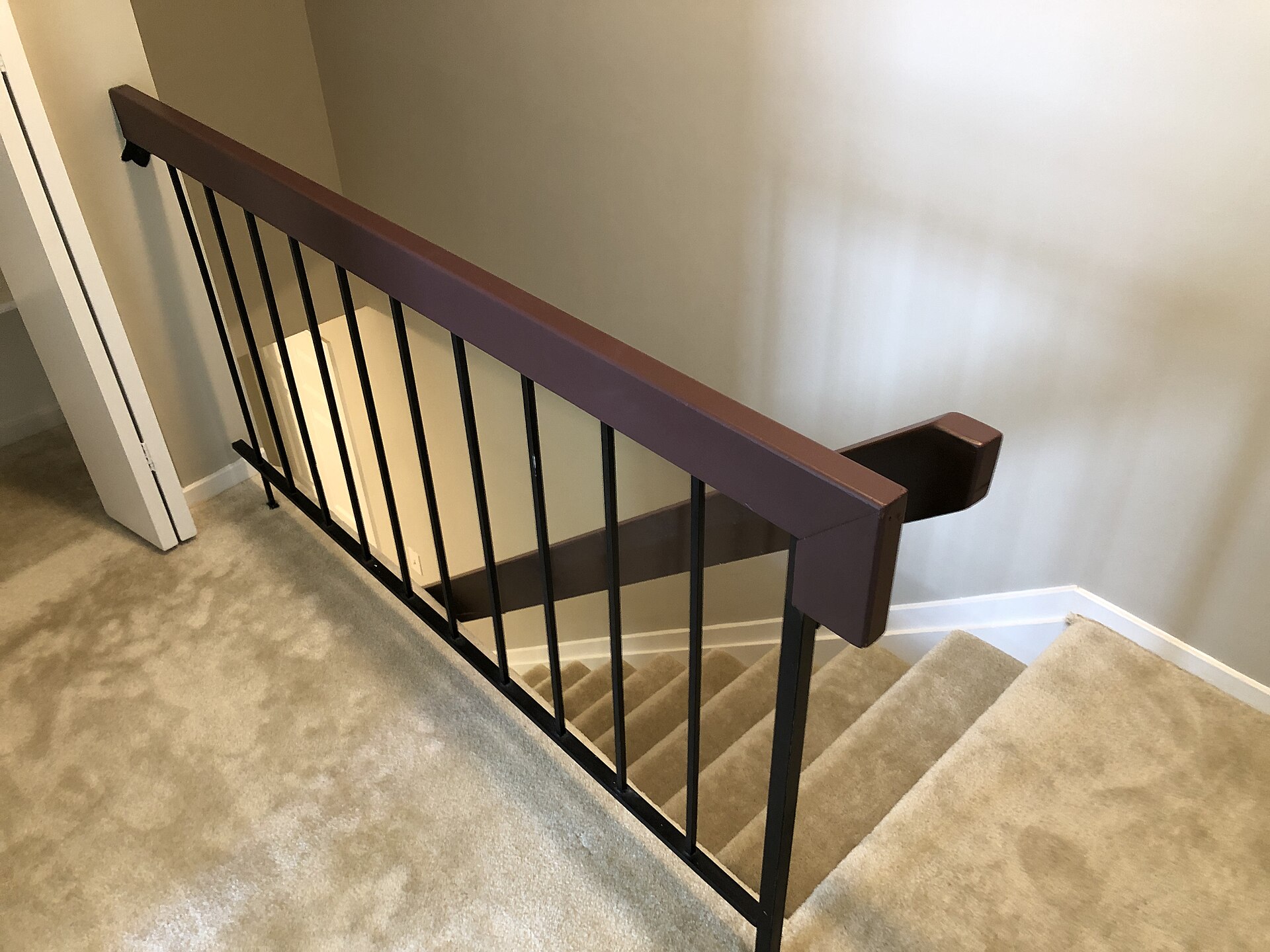
- No stairs between the kitchen, bedroom and laundry.
- Less upkeep, with a roof and gutters that are easier to reach.
- Easier aging in place, especially with a no-step entry and main-floor laundry.
- A finished basement that can become guest space, a hobby room or a rental suite.
- Freeing up equity if the bungalow costs less than your current home.
Bungalows aren’t always cheaper, though. In many GTA neighbourhoods, detached bungalows are in short supply, so prices can be close to two-storey homes nearby.
Step 1: Figure out what you need in a bungalow
Walk through your current home and note which rooms you use every day, and which sit empty. That tells you what to look for.
Ask yourself:
- How many bedrooms do I need, including for guests?
- Do I want a basement, and will I use it?
- Do I need a home office or hobby space?
- How big a yard do I want to maintain?
- Do I want accessibility features now or the option to add them later?
Bungalows come in several styles. A raised bungalow has a bright lower level with larger windows, while a condo bungalow can remove outdoor maintenance entirely.
Step 2: Plan the timing of your sale and purchase
This is the step that worries people most. You have three main options.
| Approach | Pros | Cons |
|---|---|---|
| Buy first | You secure the bungalow you want | Risk of carrying two homes if yours sells slowly |
| Sell first | You know exactly what you can spend | You may need temporary housing if you can’t find a bungalow in time |
| Sell and buy with matching closing dates | One move, no overlap | Takes coordination and a bit of luck |
Your mortgage agent can tell you whether bridge financing is an option if your closing dates don’t line up. A free home evaluation shows what your current home might sell for, so you can plan your budget.
Bungalow tip: As of September 2026, GTA homes were selling in an average of 51 days, according to TRREB’s August data. In a balanced market, building a little extra time into your plan is wise, especially if you’re buying first.
Step 3: Sort your belongings early
Downsizing from a two-storey house often means letting go of a lot. Start months ahead, not weeks.
- Go room by room, starting with storage areas like the attic or garage.
- Use four piles: keep, give to family, donate or sell, and discard.
- Offer items to family first, with a deadline for picking them up.
- Digitize photos and papers to save space.
- Keep what fits your new life, not your old one.
Our guide to decluttering before moving has more practical tips.
Step 4: Plan your bungalow layout before moving day
Get the floor plan or measure each room. Then decide where your main furniture will go.
- Choose a bed size that leaves room to move around.
- Keep pathways clear and wide, especially in hallways.
- Consider smaller-scale furniture for open-concept spaces.
- Plan storage, from closet organizers to basement shelving.
Label boxes by room in the new home, not the old one. Movers will put things where they belong.
Step 5: Settle into one-level living
Give yourself time to adjust. The first few weeks can feel different, especially if you had a lot more space before.
Small things help:
- Set up the kitchen, bedroom and bathroom first.
- Meet your neighbours early.
- Explore local shops, parks and services.
- Add easy upgrades like brighter lighting, grab bars or lever handles.
Frequently asked questions
Is downsizing to a bungalow a good idea?
For many people, yes, especially if stairs are becoming harder or you want less upkeep. It depends on your budget, the local market and how much space you really need.
Will I save money by moving to a bungalow?
Sometimes. Detached bungalows in popular GTA areas can cost about as much as larger homes nearby. Lower maintenance and utility costs may still help your monthly budget.
Should I sell my house before buying a bungalow?
It depends on your finances and the market. Selling first gives you certainty about your budget, while buying first secures your next home. A mortgage agent can help you weigh the options.
The bottom line
Moving from a house to a bungalow is a big change, but a manageable one with a plan. Know what you need, line up your timing and give yourself plenty of time to sort and settle.
Ready to start looking? Set up new-listing alerts for bungalows in the areas you love.
The newest bungalows on the market
Fresh listings, updated every 15 minutes.
 $819,9002409 Whaley Drive, Mississauga3 bed · 2 bath · CooksvilleCourtesy of SUTTON GROUP - SUMMIT REALTY INC.
 $839,900145 Emma Street, Guelph3 bed · 2 bath · General HospitalCourtesy of Royal LePage Royal City Realty
 $829,90019 Palton Avenue, Kanata3 bed · 2 bath · 9008 - Kanata - Morgan's Grant/South MarchCourtesy of ROYAL LEPAGE TEAM REALTY
 $825,000353 County 25 Road, Greater Napanee3 bed · 2 bath · 58 - Greater NapaneeCourtesy of RE/MAX HALLMARK FIRST GROUP REALTY LTD. , BROKERAGE
 $1,500,00097 Estelle Avenue, Toronto3+4 bed · 7 bath · Willowdale EastCourtesy of RE/MAX REALTRON REALTY INC.
 $450,0004925 SAINT CLAIR Avenue, Niagara Falls1 bath · 210 - DowntownCourtesy of RE/MAX Real Estate Centre Inc