Good shared space etiquette comes down to three habits: know who owns and maintains what, talk early before small issues grow, and put agreements in writing. Bungalow owners share more than you might think, from mutual driveways and fences to condo common areas and basement suites. This guide covers the most common situations and how to handle them.
Key takeaways
- Check the survey, title and condo documents to know what you share.
- Most neighbour issues are about parking, noise, snow, fences and trees.
- Friendly, early conversations prevent most disputes.
- Written agreements protect everyone, especially with tenants or family suites.
What spaces do bungalow owners share?
A detached bungalow can still come with shared spaces. Here are the most common ones in the GTA:
- Mutual driveways. Common in older Toronto and Hamilton neighbourhoods, where two homes share one strip to reach rear garages.
- Fences and hedges. Property-line fences are usually a shared responsibility.
- Common walls. Semi-detached bungalows and bungalow townhomes share at least one wall with a neighbour.
- Condo common elements. In condo bungalows, roads, landscaping and amenities are owned and managed by the condo corporation.
- Your own home. If you rent a basement unit or share with family, hallways, laundry and yards may be shared too.
Shared driveway etiquette
Mutual driveways work well when both owners follow a few simple rules.
- Never block the shared section, even for a few minutes, without asking.
- Agree on who clears snow and when, or split the cost of a service.
- Share repair costs fairly when the surface needs work.
- Give a heads-up before contractors or deliveries need extra room.
Shared driveways are often governed by an easement registered on title. Our post on easements for bungalow owners explains how they work. For anything unclear, ask a real estate lawyer to review the title.
Fences, trees and property lines
Fences and trees cause more neighbour friction than almost anything else. A few tips keep things friendly:
- Confirm the property line with a survey before building or replacing a fence.
- Talk to your neighbour first about style, height and cost-sharing.
- Check your city’s fence by-law for height limits and permit rules.
- Before pruning a large tree near the line, check local tree by-laws. Many GTA cities protect trees over a certain size.
Ontario also has a Line Fences Act that can apply in some municipalities when neighbours can’t agree. A lawyer or your municipality can tell you how it applies to your street.
Living with shared walls
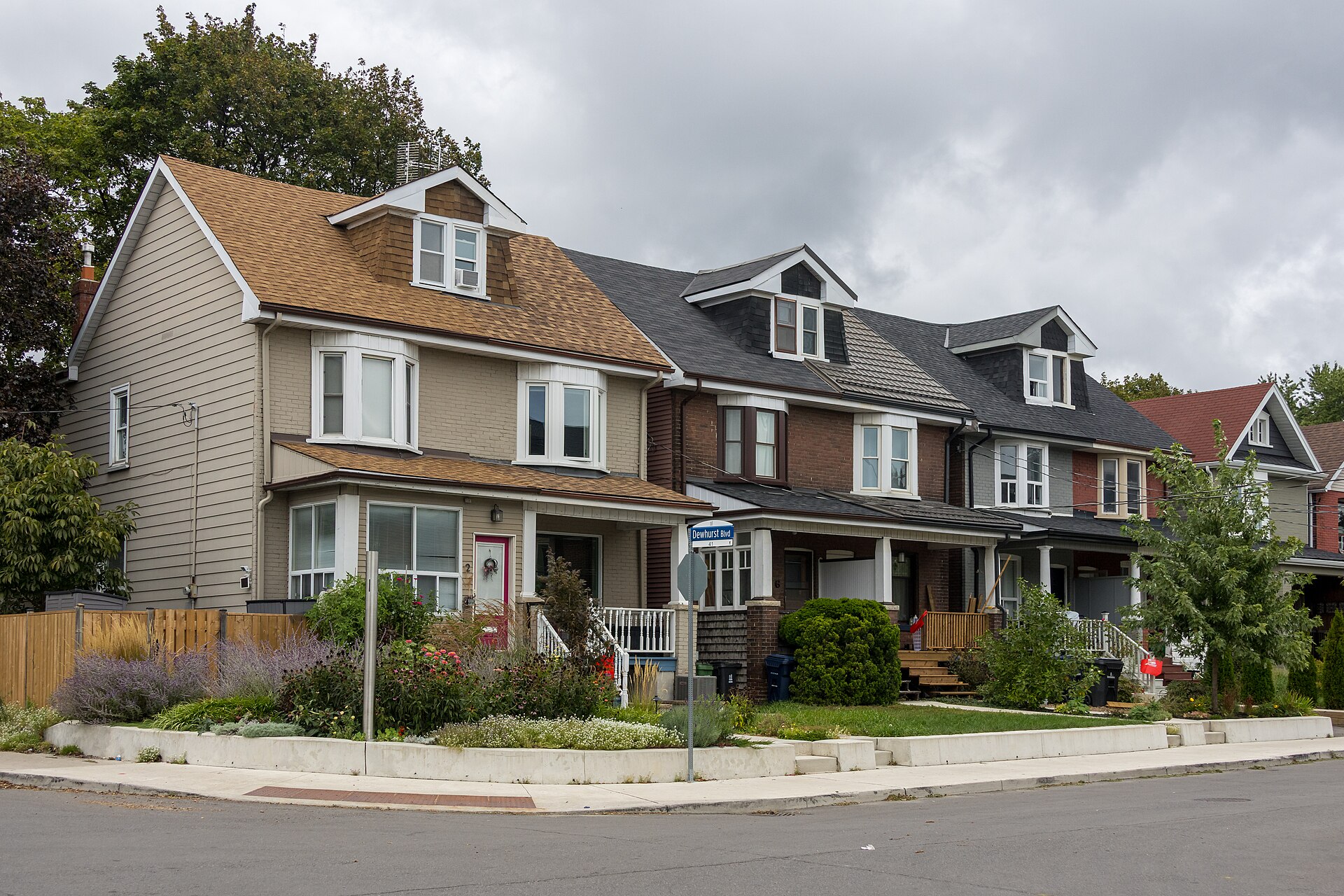
In a semi or townhome, sound carries through party walls. Good habits help both sides.
| Situation | Considerate approach |
|---|---|
| TV or music | Keep speakers off the shared wall; lower volume after 10 p.m. |
| Renovations | Give notice before loud work and keep it to daytime hours |
| Pets | Address barking early; don’t leave dogs alone for long periods |
| Parties | Let neighbours know ahead and wrap up at a reasonable hour |
| Exterior work | Coordinate roof or siding repairs that affect both homes |
Condo bungalow rules and common areas
Condo bungalows offer low-maintenance living, but they come with rules. Before you buy, read the declaration, by-laws and rules, and review the status certificate with your lawyer.
- Follow rules on parking, garbage, pets and exterior changes.
- Get approval before changing doors, decks or landscaping.
- Report common-area issues to management instead of fixing them yourself.
- Attend owners’ meetings to have a say in budgets and projects.
For more on what you own versus what you share, see our guide to shared elements for bungalow owners.
Sharing your home with a tenant or family
Basement suites and multigenerational setups are common in bungalows. Clear expectations make them work.
With tenants
Use Ontario’s standard lease form, spell out shared areas like laundry and the yard, and set quiet hours. Respect your tenant’s right to privacy and give proper written notice before entering the unit.
With family
Even without a lease, talk through costs, chores, guests and privacy. A simple written agreement can prevent hurt feelings later.
Bungalow tip: Put a shared calendar on the fridge or your phones for laundry, garbage day and snow clearing. It removes guesswork and keeps everyone on the same page.
How to handle a disagreement calmly
Even good neighbours disagree sometimes. A calm, step-by-step approach keeps a small issue from turning into a feud.
- Talk in person, at a good time, and focus on the problem, not the person.
- Listen to their side and suggest a fair fix, like splitting a cost or changing a schedule.
- Follow up in a short, friendly email so you both remember what you agreed.
- If that fails, check your city’s by-laws or ask about community mediation.
- Save legal action for serious issues, and get a lawyer’s advice first.
Frequently asked questions
Who is responsible for a shared driveway in Ontario?
It usually depends on the easement or agreement registered on title. If nothing is written, owners often split upkeep, but a real estate lawyer can confirm your rights.
Can my neighbour make me pay for half a fence?
In some cases, yes. Ontario’s Line Fences Act may apply, depending on your municipality. Talk to your neighbour first and get legal advice if you can’t agree.
What should I check before buying a condo bungalow?
Review the status certificate, reserve fund, monthly fees and rules with your lawyer. Look for any planned special assessments or restrictions on pets and rentals.
The bottom line
Shared spaces are part of bungalow life, whether it’s a driveway, a fence, a common wall or a basement suite. Know what you share, talk early and put agreements in writing.
A little courtesy goes a long way toward peaceful living. For anything involving title, easements or leases, get advice from a real estate lawyer.
Bungalows for sale in Toronto right now
Live listings from the area this article covers.
 $699,0007 Twenty Second Street, Toronto3+3 bed · 3 bath · Long BranchCourtesy of RE/MAX PREMIER INC.
 $945,000257 John Tabor Trail E, Toronto3+2 bed · 2 bath · MalvernCourtesy of RE/MAX ATRIUM HOME REALTY
 $1,145,000109 Gulliver Road, Toronto4 bed · 3 bath · Brookhaven-AmesburyCourtesy of RE/MAX REALTY SPECIALISTS INC.
 $1,398,80074 Navaho Drive, Toronto3+4 bed · 3 bath · Pleasant ViewCourtesy of HOMELIFE LANDMARK REALTY INC.
 $2,990,00061 Highland Crescent, Toronto2+1 bed · 2 bath · Bridle Path-Sunnybrook-York MillsCourtesy of RE/MAX REALTRON BARRY COHEN HOMES INC.
 $1,299,00085 Pegasus Trail, Toronto4+2 bed · 3 bath · WoburnCourtesy of iCloud Realty Ltd.