
Modern bungalow amenities go well beyond the basics of a roof, a kitchen and one bathroom. Today’s buyers expect things like an ensuite, main-floor laundry, central air, an attached garage and, more and more, smart and energy-efficient systems. Knowing how amenities changed by era helps you understand what an older bungalow has, what it lacks and what it might cost to bring it up to date.
Key takeaways
- The age of a bungalow tells you a lot about its original amenities.
- Post-war bungalows often have one bathroom and basement laundry.
- Ensuites, main-floor laundry and two-car garages became common later.
- Many older bungalows can be updated, but some changes need permits.
How bungalow amenities changed by era
Ontario has bungalows from almost every decade of the last century. Each era reflects what families expected at the time. The table below is a general guide; individual homes vary a lot.
| Era (approx.) | Typical amenities | Common gaps today |
|---|---|---|
| Early 1900s to 1930s | Front porch, built-in cabinets, fireplace, hardwood, small kitchen | Wiring, insulation, closet space, bathrooms |
| 1945 to 1960s (post-war) | Hardwood, one bathroom, basement laundry, carport or single garage | Ensuite, open kitchen, central air, storage |
| 1970s to 1980s | Attached garage, finished rec room, larger kitchens, sometimes central air | Dated finishes, older windows, small ensuites |
| 1990s to 2000s | Ensuite, main-floor laundry, two-car garage, bigger primary suite | Aging mechanicals, builder-grade finishes |
| 2010s to today | Open concept, high ceilings, energy-efficient systems, smart features | Smaller lots in some new communities |
The early bungalow: simple and practical
Early bungalows were built for modest budgets. The front porch was a social hub, and built-in shelves and cabinets saved on furniture. Kitchens were small and closed off, and one bathroom served the whole family.
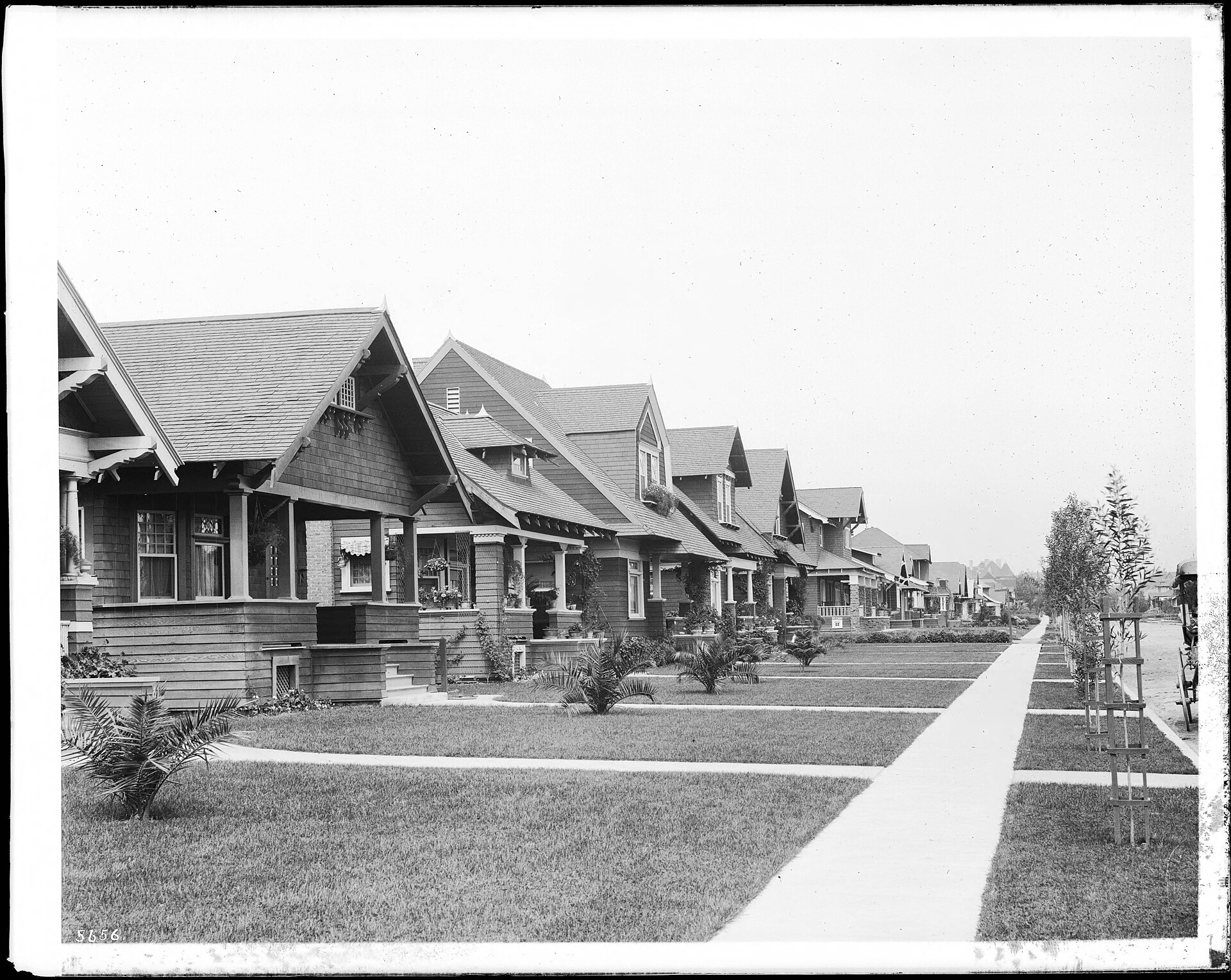
Many of these homes survive in older parts of Toronto and Hamilton. They have character that buyers love, but most need updates to wiring, plumbing and insulation. Our post on keeping bungalow heritage alive covers how to update without losing charm.
The post-war boom: the classic suburban bungalow
After the Second World War, bungalows spread across new suburbs in places like Scarborough, Etobicoke, Mississauga and Oshawa. Lots were generous, and basements became standard.
These homes were solid but basic. Laundry, the furnace and storage lived in the basement. Most had a single bathroom and a separate kitchen and living room. Today, they are popular with renovators and families looking for a large lot at a lower entry price.
The 1970s to 2000s: more comfort and convenience
Later decades added features buyers now see as standard:
- Attached garages, first single, then double.
- Ensuite bathrooms off the primary bedroom.
- Main-floor laundry, which made true one-level living possible.
- Central air conditioning as Ontario summers felt hotter and homes got tighter.
- Finished basements with rec rooms, bars and extra bedrooms.
Modern bungalow amenities buyers expect now
Comfort and convenience
Open kitchens with islands, walk-in closets, a spa-style ensuite and a curbless shower are high on wish lists. Main-floor laundry is close to a must-have for many downsizers.
Energy and technology
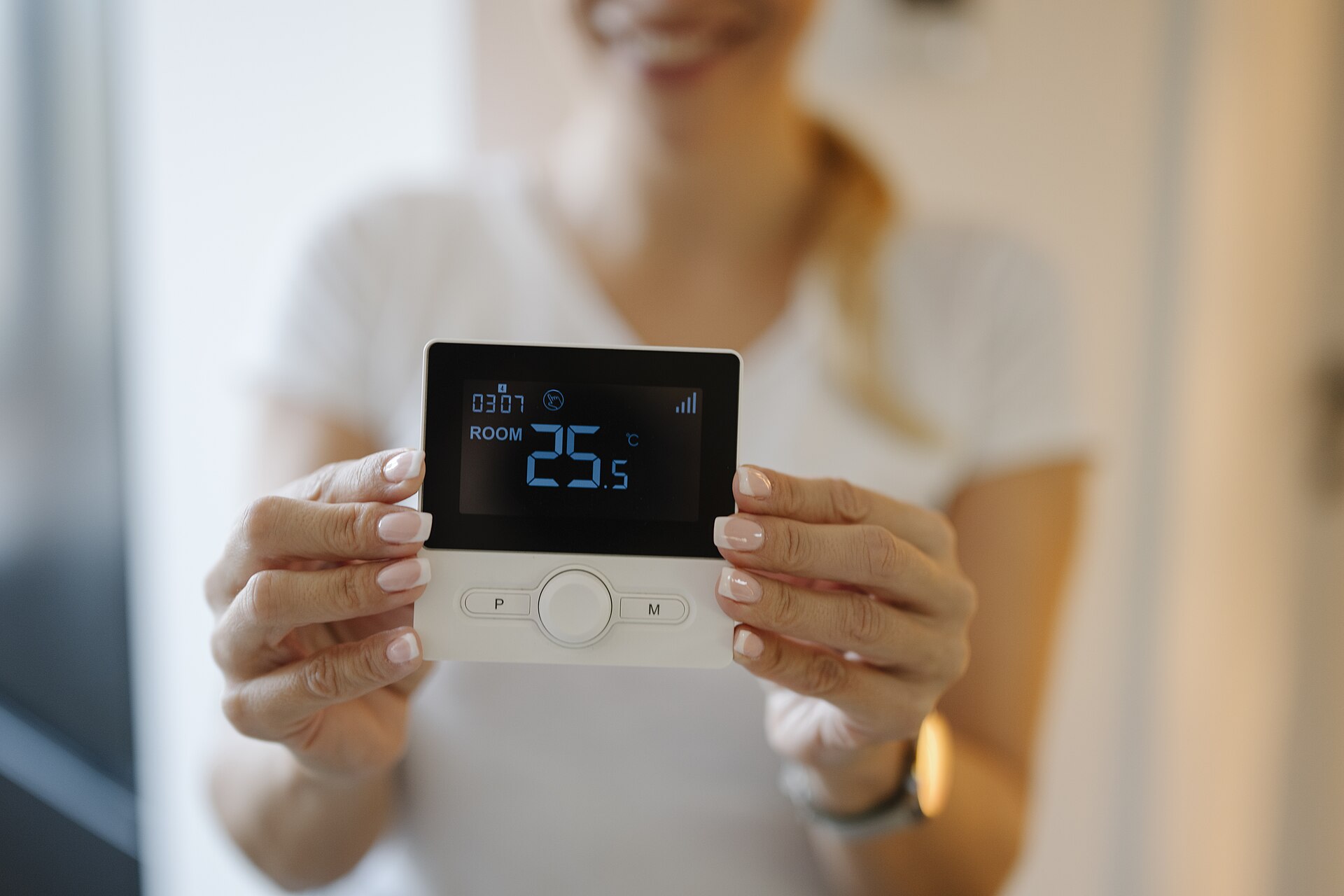
Smart thermostats, LED lighting, high-efficiency furnaces, heat pumps and better windows lower bills. EV chargers and video doorbells are increasingly common. Our guide to smart home technology for bungalows covers the options.
Flexibility
Separate entrances, legal second units and home offices let a bungalow serve more than one purpose. Ontario’s rules now allow up to three units on most serviced urban lots, subject to zoning, permits and code.
Bungalow tip: When you tour an older bungalow, ask for the age of the roof, furnace, air conditioner, windows and electrical panel. Those big-ticket items matter more than finishes.
Updating amenities in an older bungalow
An older bungalow can offer a great lot and location at a better price. Here is how owners commonly bring them up to date:
- Add an ensuite by borrowing space from a closet or a small bedroom.
- Move laundry upstairs into a hall closet, mudroom or kitchen nook.
- Open the kitchen to the living or dining room, with an engineer’s advice on any load-bearing walls.
- Upgrade mechanicals like the electrical panel, furnace and plumbing.
- Improve insulation and windows for comfort and lower bills.
Plumbing moves, wall removals and electrical work usually need permits and licensed trades. Get several quotes and confirm permit needs with your city. If you like the idea of a project home, browse our fixer-upper bungalows for sale.
Frequently asked questions
Do older bungalows have main-floor laundry?
Many older bungalows have laundry in the basement. Moving it to the main floor is a common upgrade if there is a closet or mudroom with access to plumbing.
Can I add an ensuite to a post-war bungalow?
Often, yes. Owners usually borrow space from a closet or a small bedroom. A contractor can check plumbing routes and whether a permit is needed.
Are newer bungalows always better?
Not always. Newer homes have modern amenities, but older bungalows often have bigger lots and established neighbourhoods. The right choice depends on your budget and priorities.
Which amenity upgrade should I do first?
Start with safety and systems, like the electrical panel, roof and furnace. Then move to comfort upgrades such as laundry, bathrooms and the kitchen.
The bottom line
Bungalow amenities have grown from simple essentials to the comforts buyers expect today. A home’s era tells you what to expect and what you might want to update.
If you prefer move-in ready, look for newer homes with modern systems. If you love character and a big lot, an older bungalow with a smart update plan can be a great buy. Our top bungalow features checklist can help you compare.
Bungalows for sale in Toronto right now
Live listings from the area this article covers.
 $1,500,00097 Estelle Avenue, Toronto3+4 bed · 7 bath · Willowdale EastCourtesy of RE/MAX REALTRON REALTY INC.
 $699,0007 Twenty Second Street, Toronto3+3 bed · 3 bath · Long BranchCourtesy of RE/MAX PREMIER INC.
 $945,000257 John Tabor Trail E, Toronto3+2 bed · 2 bath · MalvernCourtesy of RE/MAX ATRIUM HOME REALTY
 $1,145,000109 Gulliver Road, Toronto4 bed · 3 bath · Brookhaven-AmesburyCourtesy of RE/MAX REALTY SPECIALISTS INC.
 $1,398,80074 Navaho Drive, Toronto3+4 bed · 3 bath · Pleasant ViewCourtesy of HOMELIFE LANDMARK REALTY INC.
 $2,990,00061 Highland Crescent, Toronto2+1 bed · 2 bath · Bridle Path-Sunnybrook-York MillsCourtesy of RE/MAX REALTRON BARRY COHEN HOMES INC.