To sever a lot in Ontario, you apply to your municipality’s consent authority, often a Committee of Adjustment, for permission to divide your property into two or more legal lots. Approval depends on your Official Plan, zoning rules such as minimum frontage and area, servicing and how the new lot fits the neighbourhood. Many bungalows on wide or deep lots are candidates, but the process takes time and professional help.
Key takeaways
- A severance (also called a consent) creates a new, separately sellable lot.
- Both lots usually need to meet zoning requirements or get minor variances.
- Approvals come with conditions you must meet before the new lot is created.
- Adding units under Ontario’s three-unit rules can be a simpler alternative.
What does it mean to sever a lot?
Severing a lot means legally dividing one property into two or more parcels, each with its own title. Once created, the new lot can be sold, mortgaged or built on separately.
In Ontario, this is done through a “consent” under the Planning Act. Depending on where you live, the decision is made by a Committee of Adjustment, a land division committee or municipal council.
Is your bungalow lot a good candidate?
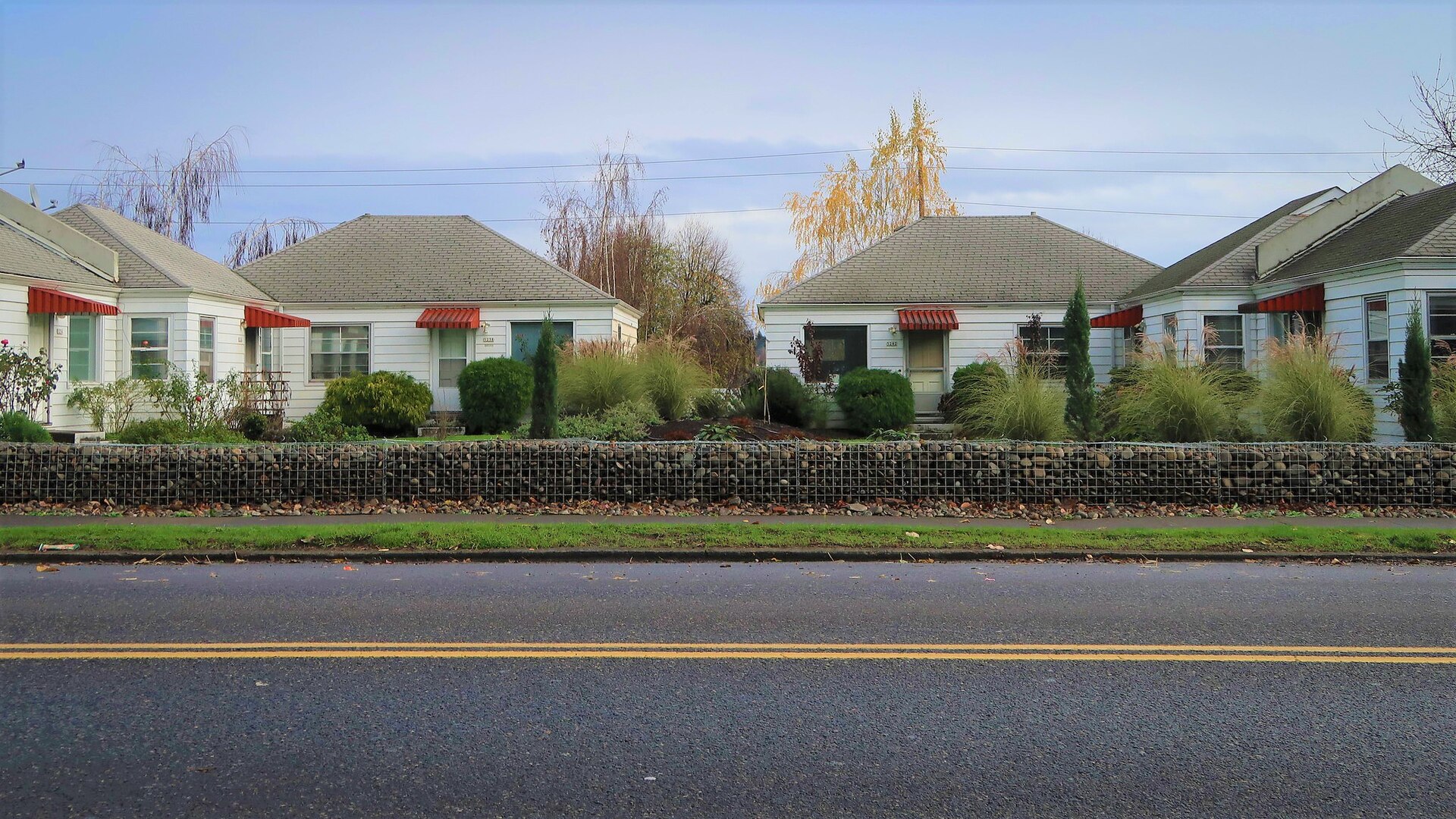
Bungalows often sit on wide, deep lots from the post-war era. That makes some of them strong candidates, but every site is different. Start by checking:
- Frontage and area: would both new lots meet the zoning by-law’s minimums?
- Lot pattern: are there other narrower lots on your street? Consistency with the neighbourhood matters.
- Official Plan policies: does your area’s designation support new lots?
- Servicing: can the new lot connect to municipal water and sewer, or support a well and septic in rural areas?
- Access: does the new lot have frontage on a public road?
- Constraints: trees, slopes, floodplains, ravines, easements or heritage designations.
Not sure what your measurements mean? Our guide to frontage vs depth explains how to read them, and why lot size matters covers the value angle.
How to sever a lot in Ontario: step by step
- Research the rules. Review your zoning by-law and Official Plan, or hire a land use planner to do it.
- Book a pre-consultation. Many municipalities require or encourage a meeting with planning staff before you apply.
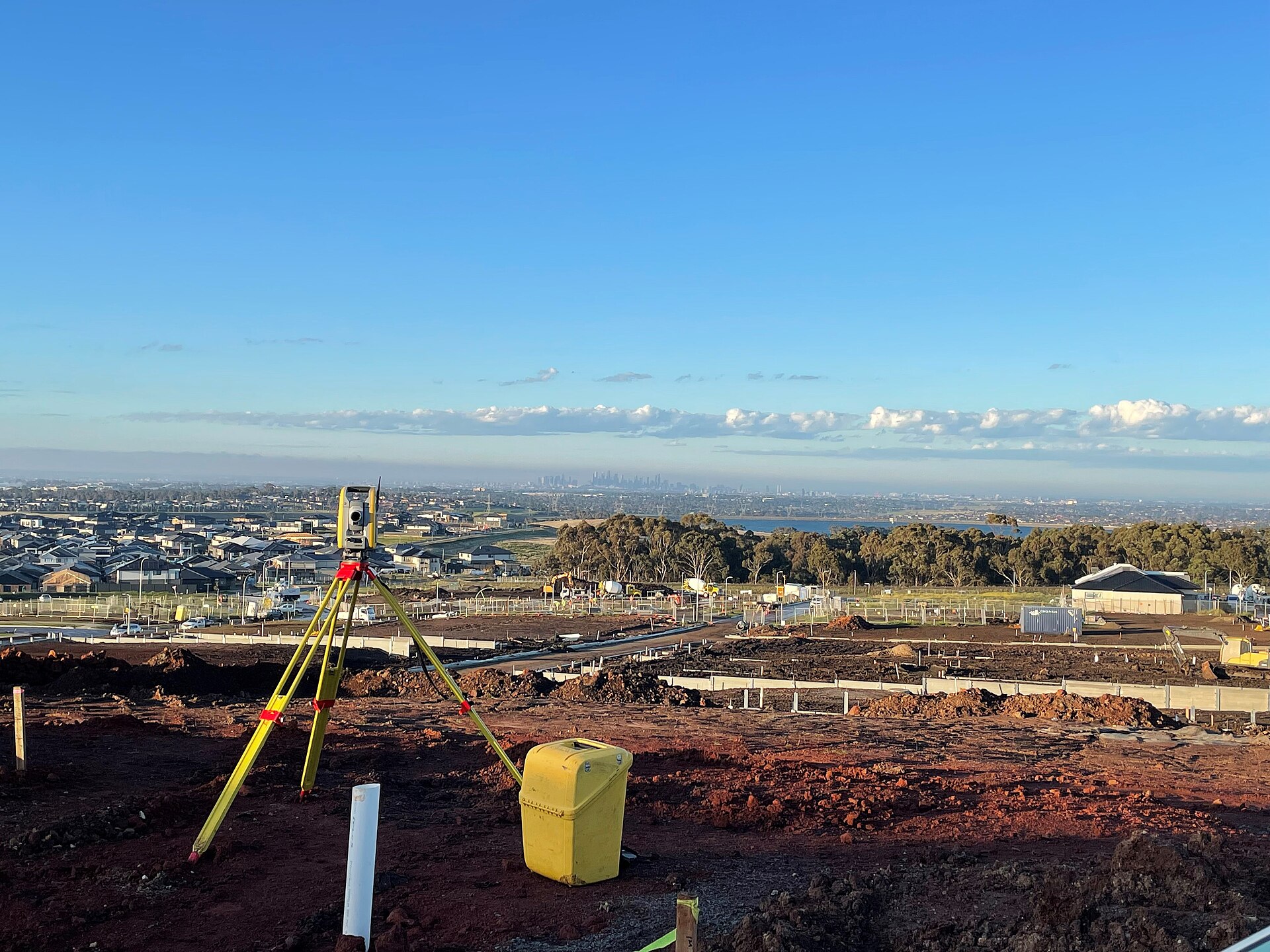
- Prepare plans. You’ll usually need a survey or sketch showing the proposed lots, buildings and setbacks.
- Apply for consent. Submit the application, fees and any required studies, such as an arborist report.
- Apply for minor variances if needed. If a lot falls a little short of zoning standards, you may apply for variances at the same time.
- Public notice and hearing. Neighbours are notified, and the committee hears from you, staff and the public.
- Decision and appeal period. Decisions can be appealed to the Ontario Land Tribunal by those with appeal rights.
- Meet the conditions. Common conditions include a reference plan, parkland fees, servicing agreements or road widening.
- Get the certificate and register. Once conditions are met by the deadline, the consent is finalized and the new lot can be registered.
Bungalow tip: Talk to your neighbours early. Severances on established bungalow streets can draw concern about tree loss, privacy and parking. Addressing those concerns before the hearing often makes the process smoother.
What does a lot severance cost?
Costs vary widely by municipality and site, so get quotes for each item:
| Cost item | What it covers |
|---|---|
| Application fees | Consent and any minor variance applications |
| Professional fees | Planner, surveyor, lawyer and possibly an arborist or engineer |
| Reference plan | A registered survey showing the new lot boundaries |
| Parkland fees | Cash-in-lieu of parkland, if required |
| Servicing | New water and sewer connections |
| Development charges | Usually payable when a new home is built on the new lot |
Tax and financing considerations
- Principal residence exemption: it may not fully cover gains on land you sever and sell. Speak with an accountant before you apply.
- HST: selling a new lot, or building and selling a home on it, can trigger HST in some situations.
- Your mortgage: your lender may need to approve a partial discharge before the new lot is sold.
Have a real estate lawyer and accountant review your plan before you spend on studies.
Alternatives to severing your lot
A severance isn’t the only way to unlock value from a big lot. Ontario’s More Homes Built Faster Act allows up to three residential units on most serviced urban lots, such as a main house, a basement unit and a garden suite. These usually need building permits but not a severance.
| Option | Creates a separate lot? | Complexity |
|---|---|---|
| Lot severance | Yes | High; public hearing and conditions |
| Garden suite | No | Moderate; zoning and permits |
| Basement unit | No | Moderate; permits, fire separation, egress |
| Selling to a builder | Buyer handles it | Lower for you; price reflects the risk |
Exploring the opportunity as a buyer? Browse investor-friendly bungalows or get a free home evaluation to understand your current value.
Frequently asked questions
How long does a lot severance take in Ontario?
It varies by municipality and complexity. Expect several months from application to decision, plus more time to meet conditions and register the new lot.
Can I sever my lot if it’s just under the minimum frontage?
Possibly, with a minor variance. The committee will consider whether the variance is minor and fits the area.
Can neighbours stop my severance?
Neighbours can comment at the hearing, and some parties have appeal rights. Strong planning reasons and early outreach help your case.
Is it better to sever or add a garden suite?
It depends on your goal. A severance creates a lot you can sell. A garden suite adds a rental or family unit while keeping one property.
The bottom line
A big bungalow lot can hold real potential, but severing it is a legal and planning process with costs and conditions. Start with a planner’s opinion, check the tax side and compare it with adding units under Ontario’s rules before you commit.