New transit lines can raise demand for homes nearby, because buyers value faster, easier trips to work, school and shopping. In Canadian cities, much of that interest often shows up before a line opens, as buyers anticipate the convenience. But timelines slip, construction can disrupt neighbourhoods for years, and homes right beside a line may face noise, so buying near planned transit takes careful judgment.
Key takeaways
- Transit improves access, and better access tends to support demand.
- Prices may react when a project is announced, funded or nearing opening.
- Construction can bring years of noise, detours and business disruption.
- A short walk to a station is often better than living right beside it.
How transit influences home values
Buyers pay for convenience. When a new subway, LRT or GO service makes it faster to reach jobs and amenities, more people want to live nearby. That added demand can support prices over time.
Transit can also bring new investment. Shops, condos and services often cluster near stations, which can make an area more lively and walkable.
The effect isn’t automatic, though. It depends on the type of transit, how often it runs, where it goes and what’s already in the area.
Which types of transit matter most?
| Transit type | Potential effect on nearby homes | Considerations |
|---|---|---|
| Subway | Strongest effect, fast and frequent service | Long build times, major construction |
| LRT (light rail) | Moderate effect, frequent surface service | Lane closures during construction, busy roads after |
| GO train expansion | Appeal for longer commutes into Toronto | Effect depends on how frequent service becomes |
| Bus rapid transit | Smaller effect, but improves daily trips | Often quicker to build |
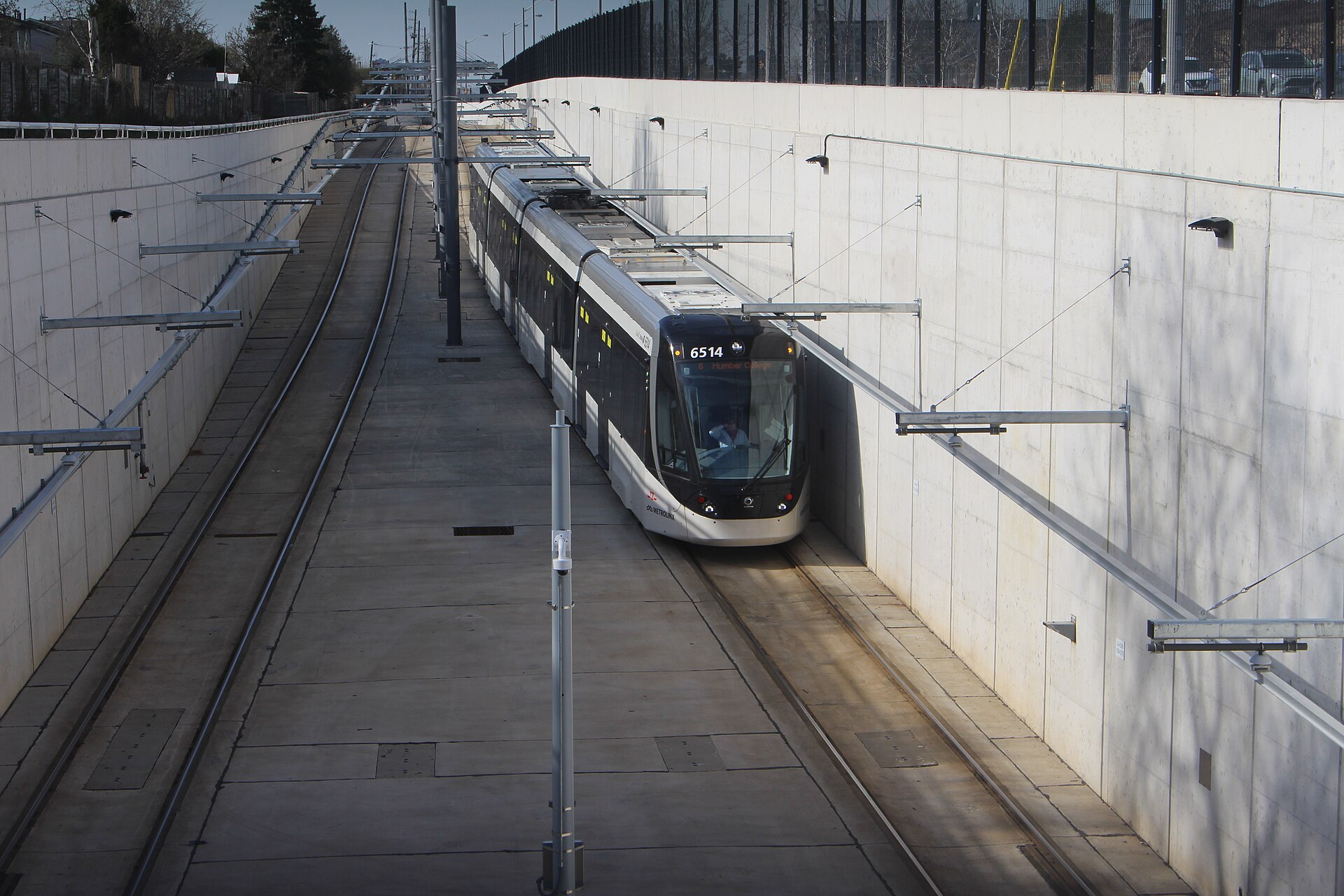
Frequent all-day service generally matters more to buyers than rush-hour-only service.
When do prices react to new transit?
Buyers and investors often react at key milestones:
- Announcement: early interest, but plans may change.
- Funding and approvals: more confidence the project will happen.
- Construction: prices may hold back near the worst disruption.
- Opening: the full benefit becomes real for residents.
Because each stage carries different risks, buying early can mean more uncertainty and more disruption. Buying later can mean paying for the benefit that’s already priced in.
Bungalow tip: Before paying extra for a home near a planned line, check whether the project is funded and has a confirmed route and station locations. Plans that are only proposed can change or stall, and station locations can move.
The downsides of living near a new line
Transit is great to use but not always great to live next to. Consider:
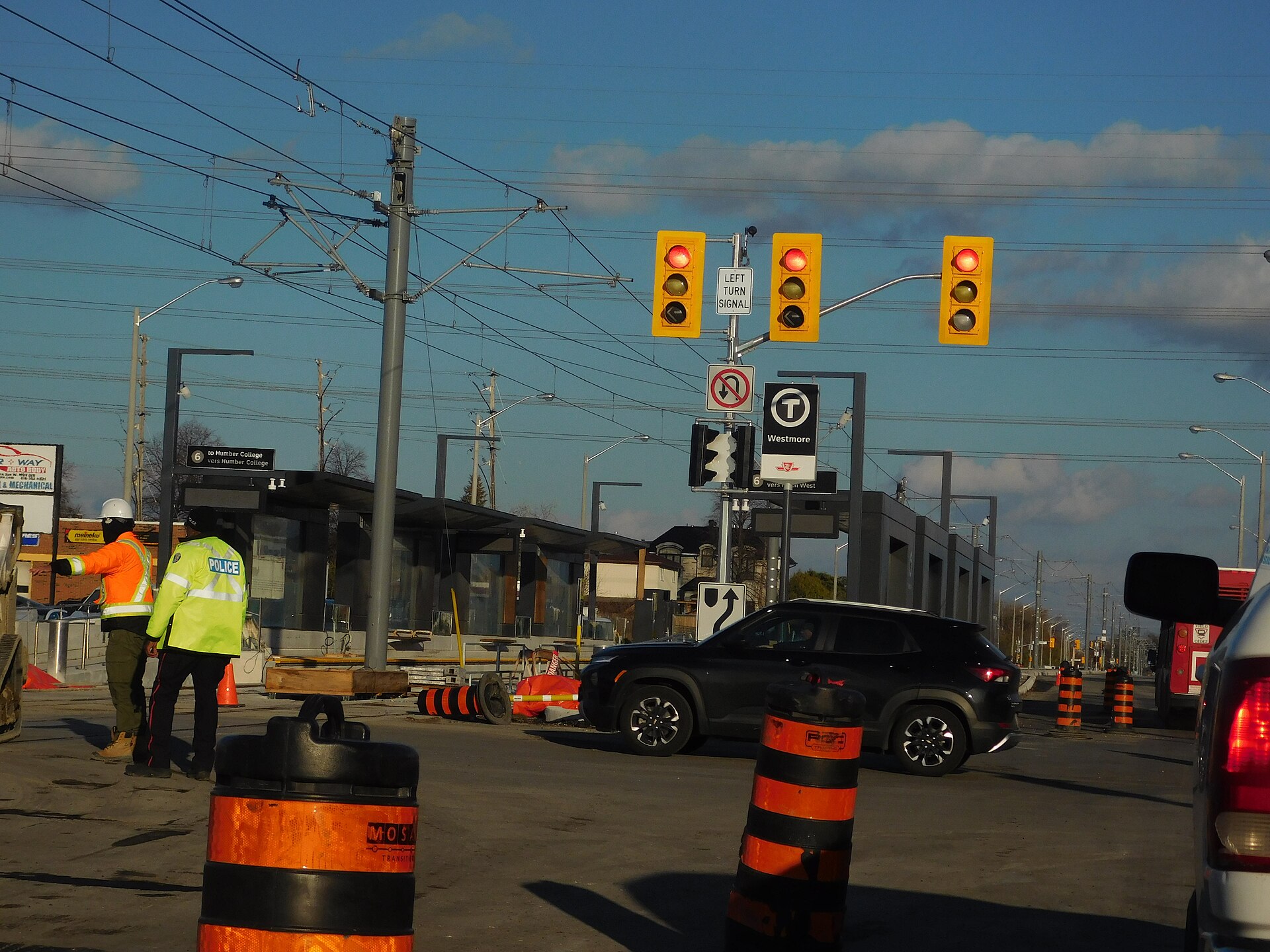
- Construction disruption: detours, noise, dust and closed lanes can last years.
- Impact on local shops during construction.
- Noise and vibration for homes right beside tracks or tunnels.
- More traffic and parking pressure near busy stations.
- Taller development near stations, which can change the neighbourhood’s feel.
Many cities plan for more housing near stations. That can add condos and townhomes close to established bungalow streets.
How to evaluate a bungalow near planned transit
Check the project details
- Is it funded, approved and under construction?
- Where exactly will the nearest station be?
- How often will service run?
- What is the official opening timeline, and has it changed before?
Check the home’s location
- Will the home be a short walk from the station, or right beside it?
- Will construction affect your street or access?
- Is the area planned for new density near the station?
Check your plans
- How long do you plan to own the home?
- Will you personally use the transit?
- Are you buying to live in, rent out or both?
If you plan to rent a basement suite, transit access can widen your tenant pool. Browse investor-friendly bungalows or bungalows with a separate entrance to see options.
Transit and rental demand
For investors and owners with a basement suite, transit can matter even more. Many tenants don’t own a car, so a unit within walking distance of frequent transit can be easier to rent and may attract a broader pool of applicants.
Keep expectations realistic, though. Rents depend on the unit’s size, condition, legal status and the local market, not just transit. Speak with an accountant about the tax side of rental income, and make sure any suite meets Building Code and Fire Code rules.
Transit and the GTA bungalow market
Across the GTA, recent and planned rapid transit includes subway extensions, new LRT lines and more frequent GO service. Many established bungalow neighbourhoods sit near these corridors.
For broader context on how highways and transit shape prices, read our guide on transportation and home prices. If you want to live near an existing station, see living near a GO station.
Frequently asked questions
Do new transit lines always increase home values?
No. They often support demand nearby, but the effect depends on service quality, location and timing. Construction delays and disruption can work against prices for a while.
Should I buy before a transit line opens?
It can make sense if you plan to stay long term and can live with construction. Check that the project is funded and the station location is confirmed.
Is it good to live right next to a station?
It’s convenient, but many buyers prefer a short walk away. That gives you easy access with less noise, traffic and parking pressure.
The bottom line
New transit lines can make neighbourhoods more convenient and in demand, but the path from announcement to opening is long. Focus on confirmed projects, the right distance from the station, and how long you plan to stay.
Set up listing alerts for bungalows near the transit corridors you’re watching.
Bungalows for sale in Toronto right now
Live listings from the area this article covers.
 $1,500,00097 Estelle Avenue, Toronto3+4 bed · 7 bath · Willowdale EastCourtesy of RE/MAX REALTRON REALTY INC.
 $699,0007 Twenty Second Street, Toronto3+3 bed · 3 bath · Long BranchCourtesy of RE/MAX PREMIER INC.
 $945,000257 John Tabor Trail E, Toronto3+2 bed · 2 bath · MalvernCourtesy of RE/MAX ATRIUM HOME REALTY
 $1,145,000109 Gulliver Road, Toronto4 bed · 3 bath · Brookhaven-AmesburyCourtesy of RE/MAX REALTY SPECIALISTS INC.
 $1,398,80074 Navaho Drive, Toronto3+4 bed · 3 bath · Pleasant ViewCourtesy of HOMELIFE LANDMARK REALTY INC.
 $2,990,00061 Highland Crescent, Toronto2+1 bed · 2 bath · Bridle Path-Sunnybrook-York MillsCourtesy of RE/MAX REALTRON BARRY COHEN HOMES INC.