
Biophilic home design means shaping a home so it connects you to nature through daylight, natural materials, views, plants, water and natural forms. In a luxury bungalow, it often shows up as walls of glass facing a ravine, stone and wood finishes, and indoor gardens. You don’t need an estate lot to use these ideas, though; many work in any Ontario bungalow.
Key takeaways
- Biophilic design connects people with nature through light, materials, views and greenery.
- Bungalows suit it well because every room sits close to the ground and the yard.
- Luxury versions use large glazing, natural stone and wood, and landscaped views.
- Many ideas, like plants and natural textures, work on any budget.
What is biophilic design?
“Biophilia” describes the human tendency to seek connection with nature. Biophilic design brings that idea into architecture. Instead of treating the outdoors as separate, it weaves natural elements into the home itself.
Many people say they feel calmer and more focused in spaces with daylight, greenery and natural textures. Our post on how bungalow design affects well-being explores that connection further.
Why bungalows are ideal for nature-inspired luxury
A bungalow sits low to the ground, so almost every room can connect to the landscape. You can see the garden from the bed, step from the kitchen to the patio and watch the seasons change from the living room.
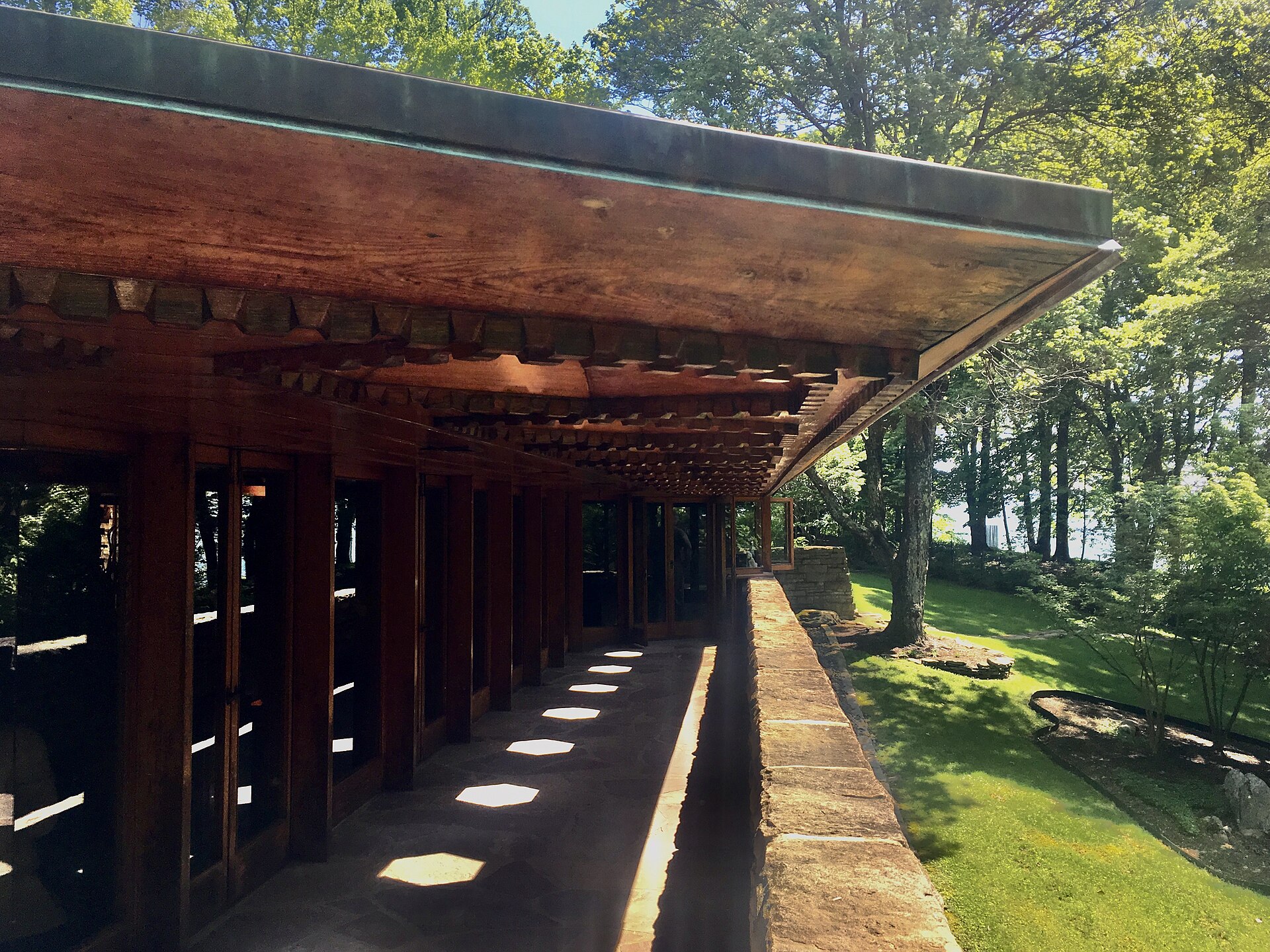
High-end bungalows often sit on ravine, waterfront or large estate lots. These settings make the natural view the main feature of the home. Browse luxury bungalows for sale to see how designers frame those views.
Key elements of biophilic luxury design
| Element | Luxury approach | Budget-friendly version |
|---|---|---|
| Natural light | Floor-to-ceiling windows, skylights, clerestory windows | Lighter window coverings, mirrors, solar tubes |
| Natural materials | Stone floors, wide-plank wood, timber beams | Wood accents, linen, wool and jute textiles |
| Views of nature | Windows framed toward a ravine or water | Rearrange furniture to face the garden |
| Living greenery | Living walls, indoor courtyards | Houseplants and window boxes |
| Water | Pools, ponds, indoor water features | A small fountain or birdbath outside a window |
| Natural forms | Curved walls, organic shapes | Round tables, organic-shaped decor |
Designing with light and views
Light is the foundation of biophilic design. In luxury bungalows, architects often orient main rooms to the south or toward the best view. Large windows, glass doors and high ceilings let light reach deep into the home.
Tips for any bungalow
- Replace a solid back door with a glass patio door.
- Add a skylight or solar tube to a dark hallway or bathroom.
- Use sheer curtains instead of heavy drapes in rooms with a view.
- Trim shrubs that block windows.
In Ontario, large windows need to perform well in winter. Choose energy-efficient glazing and good frames to avoid drafts and condensation. Our post on natural light in bungalow design has more detail.
Choosing natural materials
Natural materials add warmth and texture. Luxury homes may use stone fireplaces, wood ceilings and natural stone counters. Each material ages differently, so think about upkeep.
- Wood: Warm and versatile; needs protection from water in kitchens and baths.
- Stone: Durable and timeless; some types need sealing.
- Clay and terracotta: Earthy tiles with natural colour variation.
- Natural fibres: Wool rugs, linen curtains and cotton throws soften rooms.
Bungalow tip: Repeat one natural material inside and out, such as the same stone on a fireplace and an outdoor wall. It visually links the house to the garden.
Bringing greenery and water indoors
Living plants are the simplest biophilic element. Group plants of different heights near windows. Herbs in the kitchen add scent and flavour.
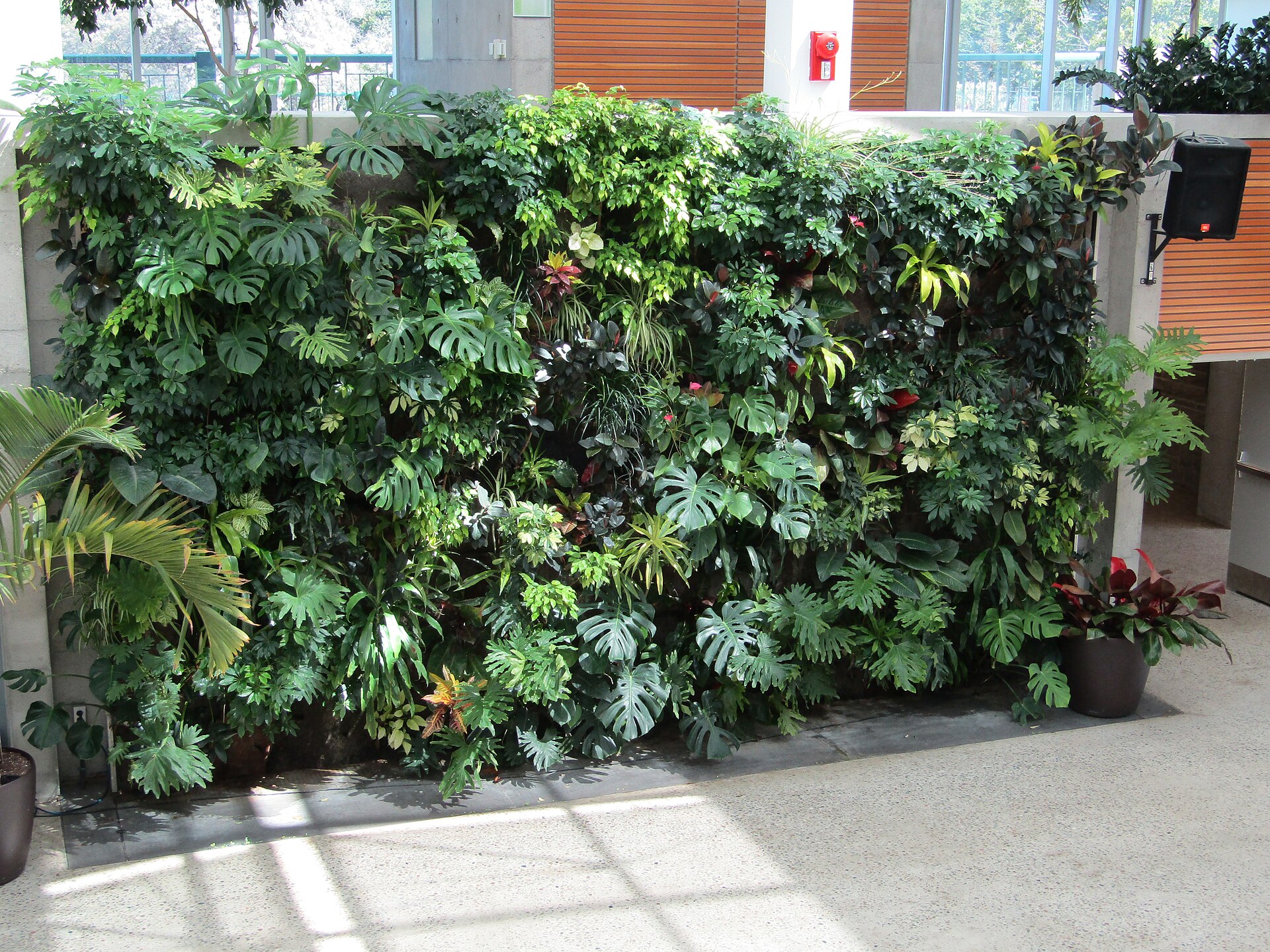
Some luxury homes add a living wall or an interior courtyard. These need careful planning for light, irrigation and humidity. Water features, from pools to small fountains, add sound and movement. Outdoors, a pond or fountain visible from a main window can become a focal point all year.
Room-by-room ideas
- Primary bedroom: Place the bed to face a window with a garden view, and use linen bedding and a wool rug.
- Kitchen: Grow herbs on the sill, choose a wood or stone island top and keep the view to the yard clear.
- Bathroom: Add stone or pebble tile, a large plant that likes humidity and a frosted window for daylight with privacy.
- Living room: Arrange seating toward the best view rather than the TV, and add a natural-stone fireplace surround.
Landscaping as part of the design
In a nature-focused home, the landscape is part of the architecture. Plan planting beds, trees and paths to frame views from inside. Use native plants that attract birds and pollinators, and add outdoor lighting so the garden stays visible at night.
If you’re considering a home backing onto green space, our guide on what a ravine lot is explains the benefits and rules.
Frequently asked questions
Does biophilic design cost a lot?
It can if you add large windows or living walls. But many elements, like plants, natural textiles and better furniture placement, cost very little.
Are big windows a problem in Ontario winters?
Not if you choose energy-efficient windows and frames suited to cold climates. Poor-quality glazing can cause drafts, heat loss and condensation.
Can I use biophilic design in a small bungalow?
Yes. Focus on light, a few plants, natural materials and views of the yard. Small changes make a noticeable difference.
Living closer to nature
Biophilic design turns a bungalow into a retreat that feels connected to the outdoors. Whether you add a wall of glass or a few well-placed plants, the goal is the same: bring nature into daily life.
Looking for a home with nature already at the door? Set up listing alerts for ravine and estate-lot bungalows.
The newest bungalows on the market
Fresh listings, updated every 15 minutes.
 $829,90019 Palton Avenue, Kanata3 bed · 2 bath · 9008 - Kanata - Morgan's Grant/South MarchCourtesy of ROYAL LEPAGE TEAM REALTY
 $825,000353 County 25 Road, Greater Napanee3 bed · 2 bath · 58 - Greater NapaneeCourtesy of RE/MAX HALLMARK FIRST GROUP REALTY LTD. , BROKERAGE
 $1,500,00097 Estelle Avenue, Toronto3+4 bed · 7 bath · Willowdale EastCourtesy of RE/MAX REALTRON REALTY INC.
 $450,0004925 SAINT CLAIR Avenue, Niagara Falls1 bath · 210 - DowntownCourtesy of RE/MAX Real Estate Centre Inc
 $949,99918 Highland Park Drive, Hamilton3+1 bed · 2 bath · DundasCourtesy of SUTTON GROUP - SUMMIT REALTY INC.
 $749,000173 Woodhaven Place, Hamilton4 bed · 2 bath · RushdaleCourtesy of RE/MAX EXCEL TITAN