
Eco-friendly living at home is mostly about daily habits: using less energy and water, wasting less, shopping thoughtfully and caring for your yard in a way that supports nature. You don’t need a brand-new green home to make a difference. A bungalow, with its single level and usually generous lot, makes many of these habits easy to adopt today.
Key takeaways
- Small daily habits add up, and many save money too.
- Heating and cooling are the biggest energy uses in most Ontario homes.
- Use your municipality’s recycling and green bin programs fully.
- A bungalow yard is a great place for native plants and rain barrels.
- Buy less, buy better and repair before replacing.
Energy habits that make a real difference
Heating and cooling use the most energy in most Ontario homes. Small changes to how you use them matter.
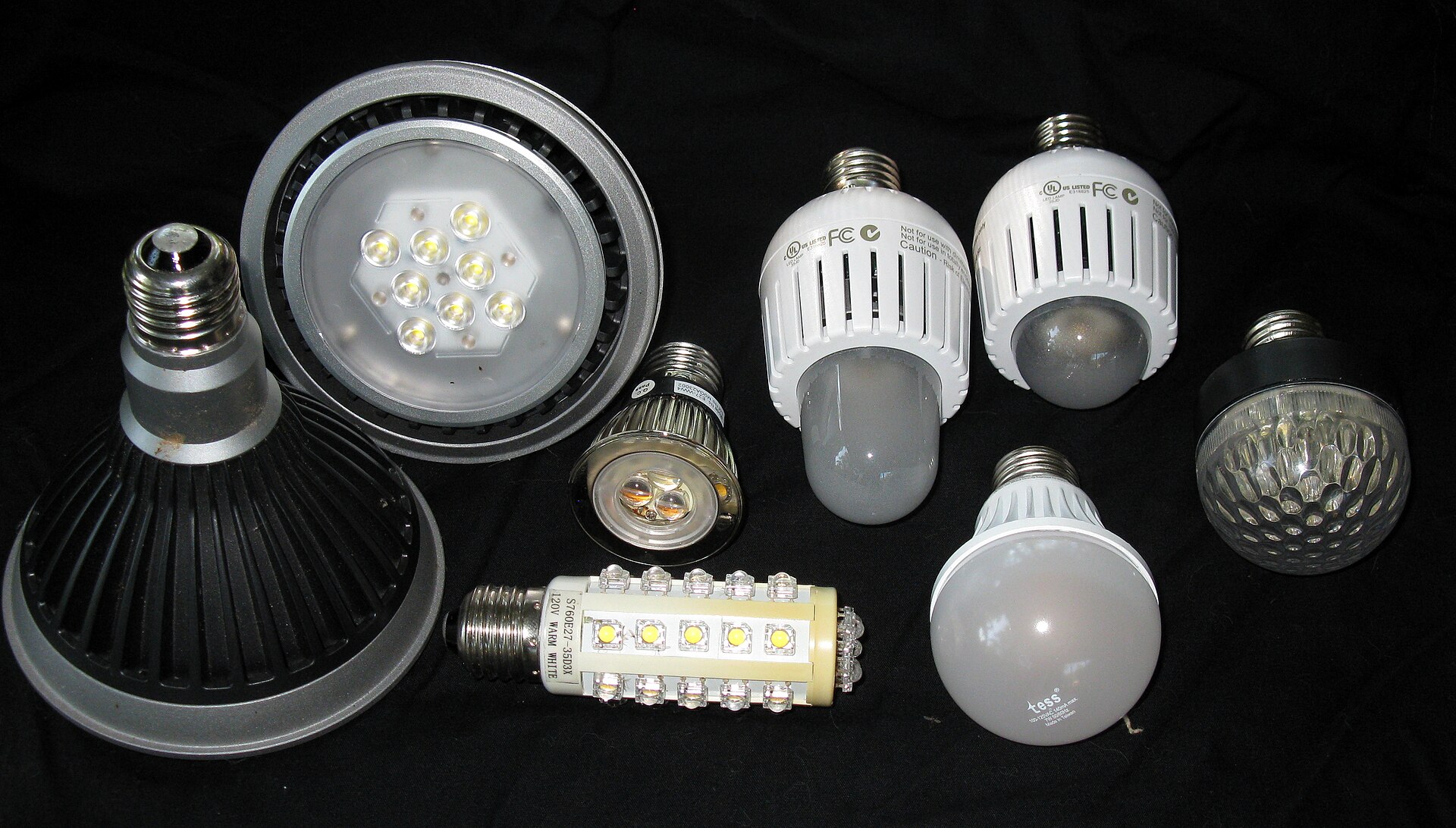
- Lower the thermostat a little in winter, especially at night and when you’re out.
- Raise it a little in summer, and use ceiling fans to feel cooler.
- Close blinds on hot afternoons and open them to winter sun.
- Wash laundry in cold water and air-dry when you can.
- Turn off and unplug electronics that draw standby power.
- Run the dishwasher and laundry only when full.
A smart thermostat can handle temperature changes automatically. For bigger upgrades like insulation and heat pumps, see our guide to bungalow energy efficiency.
Saving water inside and out
Water use costs money and energy, especially hot water.
Inside
- Fix dripping taps and running toilets quickly.
- Install low-flow shower heads and faucet aerators.
- Take shorter showers.
- Choose a water-efficient toilet when replacing an old one.
Outside
- Collect rainwater in a rain barrel connected to a downspout.
- Water gardens early in the morning to reduce evaporation.
- Let the lawn go dormant in a dry spell instead of watering constantly.
- Use mulch to keep soil moist.
Reducing waste in your household
Ontario municipalities run blue box and green bin programs, though the details differ by city. Using them properly keeps a lot out of landfill.
| Waste stream | Green habit |
|---|---|
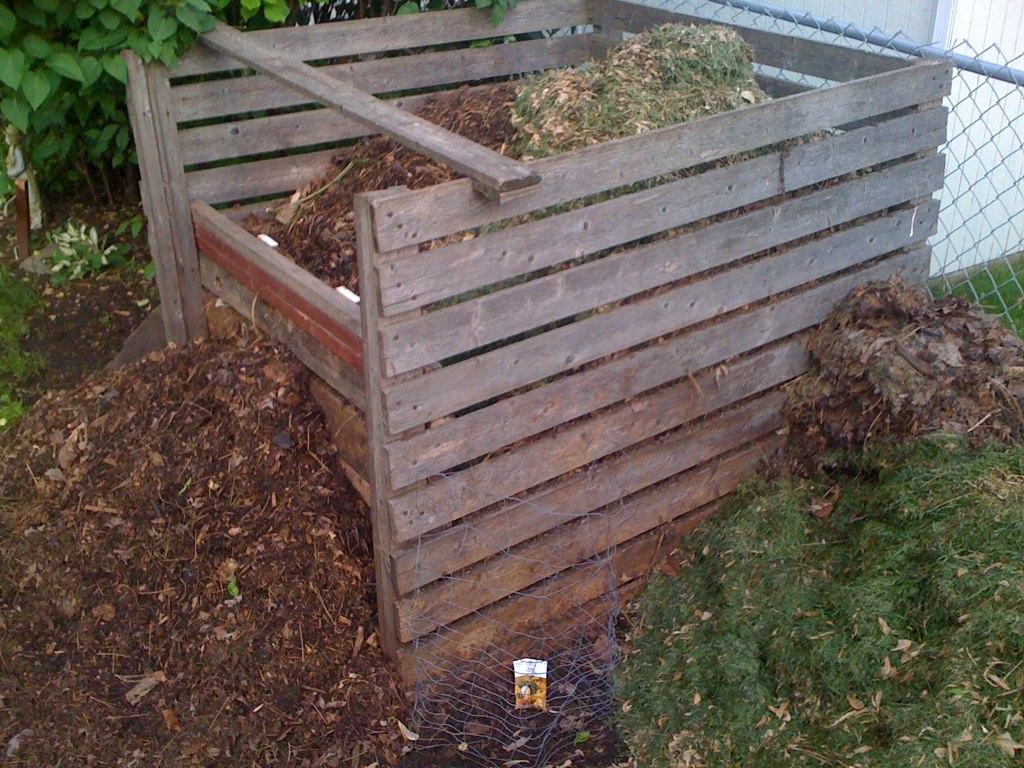
| Food scraps | Use your green bin, or start a backyard composter |
| Packaging | Rinse and sort recyclables following your city’s rules |
| Electronics and batteries | Take to designated drop-off depots, not the garbage |
| Paint and chemicals | Use household hazardous waste drop-offs |
| Furniture and clothing | Donate, sell or offer to neighbours |
Bungalow tip: Set up a sorting station near the side door or in the garage, with bins for recycling, organics and returnables. Easy access makes the habit stick.
A greener bungalow yard
Many bungalows sit on wider lots, which gives you room to support local wildlife and manage water naturally.
- Plant native species that feed pollinators and need less water.
- Replace some lawn with garden beds, clover or ground cover.
- Grow food in raised beds or containers.
- Skip chemical pesticides and use natural methods where you can.
- Leave some leaves in garden beds over winter for insects and soil health.
- Add a rain garden in a low spot to soak up runoff.
Our guide to container and raised-bed gardening will help you start growing food.
Greener shopping and transportation
Shopping
- Buy fewer, better-made items that last.
- Repair before replacing.
- Buy second-hand furniture and decor.
- Choose low-VOC paints and simple cleaning products.
- Bring reusable bags, bottles and containers.
Transportation
How you get around matters as much as what happens inside your home. If you’re shopping for a home, consider walkability and transit access.
If you drive an electric vehicle, a bungalow with an attached garage makes home charging convenient. An electrician can tell you whether your panel can handle a charger. Read about bungalows near transportation hubs if transit is a priority.
Getting the whole household on board
Green habits only work if everyone follows them. A few simple steps help.
- Start with a quick home walk-through. Note leaky taps, drafty doors, overflowing garbage and lights left on.
- Pick two or three goals. For example, cold-water laundry, using the green bin and shorter showers.
- Make it easy. Put bins where waste happens, and labels on them for kids and guests.
- Track your bills. Compare utility bills to the same month last year to see progress.
- Give kids jobs. Watering the garden, checking the compost or turning off lights builds lifelong habits.
Celebrate small wins. Lower bills and a fuller compost bin are motivating.
Frequently asked questions
What is the easiest way to live more sustainably at home?
Start with habits that cost nothing: adjust the thermostat, wash in cold water, fix leaks and use your green bin properly. They also save money.
Is composting allowed in Ontario cities?
Many Ontario municipalities allow backyard composters, and many also run green bin programs. Check your city’s rules on what can go in each.
Do rain barrels really help?
Yes. They capture roof runoff for watering gardens, which saves treated tap water and reduces the load on storm sewers during heavy rain. Cover them to keep out mosquitoes and children.
Are bungalows good for green living?
Their single level heats evenly and their lots often have room for gardens, rain barrels and composting. Good attic and basement insulation makes them even greener.
Green living, one habit at a time
Pick two or three habits from this list and make them routine before adding more. Small, steady changes are easier to keep than a dramatic overhaul.
Looking for a home with room to garden and grow? Browse bungalows for sale across Ontario.