The bungalow began as a simple one-storey house in the Bengal region of India, spread through the British Empire, became a symbol of the Arts and Crafts movement and later shaped Canada’s post-war suburbs. It has lasted because its core idea, comfortable living on one level with a strong link to the outdoors, still fits how people want to live.
Key takeaways
- The word “bungalow” comes from a Hindi word meaning “in the Bengal style.”
- Early bungalows were simple, practical homes with wide verandas.
- The Arts and Crafts movement turned the bungalow into a stylish, affordable family home.
- Post-war suburbs made the bungalow a defining Canadian home type.
Where the word “bungalow” comes from
The name traces back to the Hindi word “bangla,” meaning “of Bengal.” It described low, single-storey houses with thatched roofs and wide verandas built in the Bengal region of India.
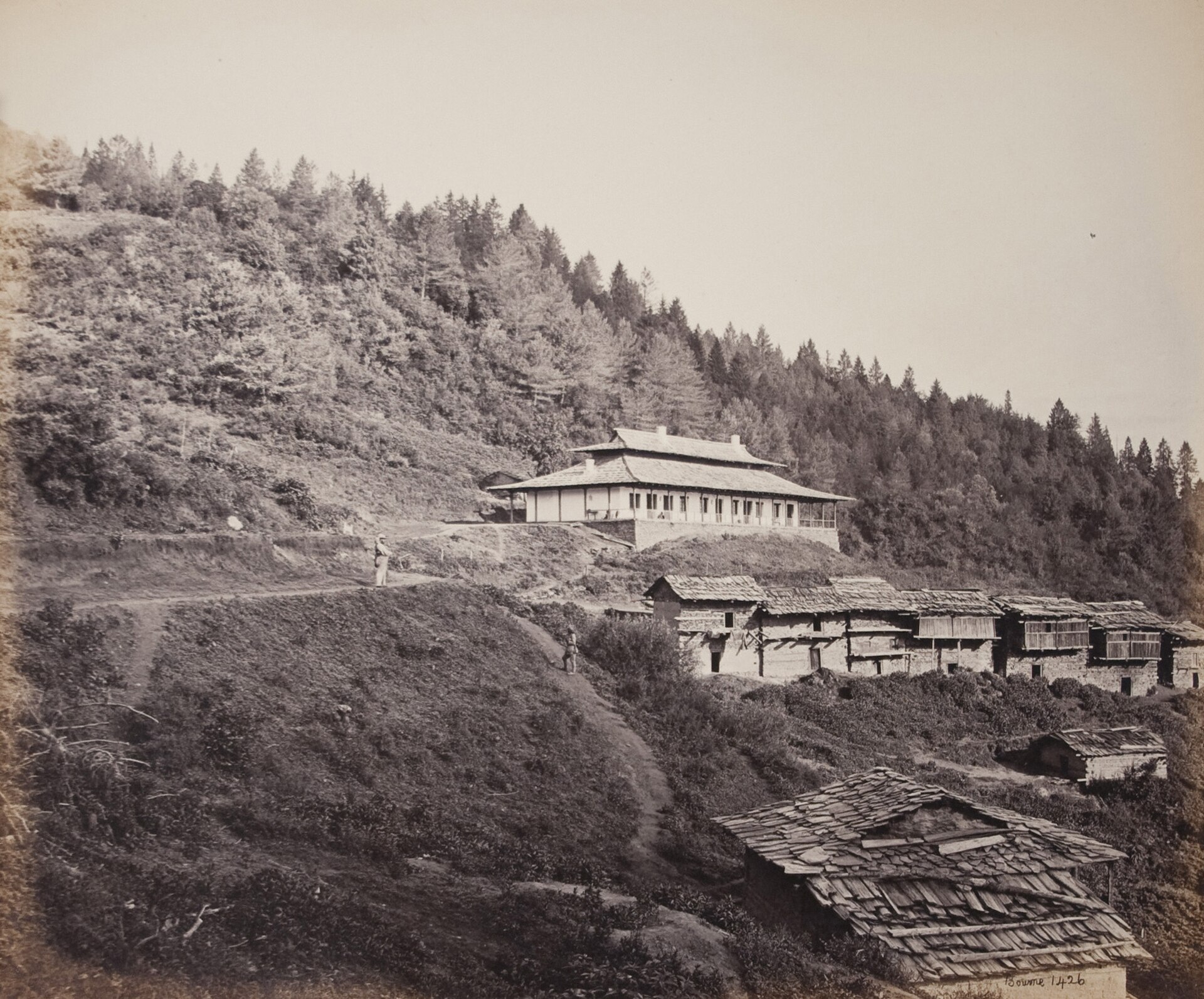
British officials and travellers adapted these homes for their own use. The design suited a hot climate: one level, shaded porches and good airflow. By the late nineteenth century, the term had spread to Britain and beyond.
The bungalow arrives in North America
In the early twentieth century, the bungalow became popular across North America. It was linked to the Arts and Crafts movement, which valued honest materials, handcrafted details and simple living.
These Craftsman-style bungalows had low-pitched roofs, deep eaves, front porches and built-in cabinets. They were modest in size but thoughtfully designed. For many families, they were an affordable step into home ownership.
Catalogue and kit homes
Some early bungalows were sold as plans or pre-cut kits. Families or local builders could put them together on their own lots. This helped spread the style quickly to towns and cities, including many in Ontario.
The post-war bungalow boom in Canada
After the Second World War, Canada needed housing quickly for returning veterans and growing families. Simple one-storey homes were efficient to build on suburban lots.
Wartime houses, modest brick bungalows and later ranch-style bungalows filled new neighbourhoods across Ontario. Many of today’s GTA bungalow streets in Etobicoke, Scarborough, Mississauga, Oshawa and Hamilton come from this era.
These homes often had full basements, which later became rec rooms, extra bedrooms and income suites. Their generous lots are a big reason they’re still valued today.
How the bungalow evolved over time
| Era | Typical bungalow | Defining features |
|---|---|---|
| Colonial India | Bengal-style house | Single storey, thatched roof, wide veranda |
| Early twentieth century | Craftsman bungalow | Front porch, deep eaves, handcrafted details |
| Wartime and post-war | Wartime house and brick bungalow | Simple shape, full basement, suburban lot |
| Later twentieth century | Ranch, raised bungalow, split-levels | Long low profile, bright lower levels |
| Today | Modern bungalow and bungaloft | Open plans, large windows, accessible design |
For a closer look at each style, see our guide to bungalow architectural styles in Canada.
Why the bungalow has lasted
Plenty of housing trends come and go. The bungalow has stuck around because it solves real, lasting needs.
- Easy living: One level suits young children, older adults and everyone in between.
- Connection to the outdoors: Low homes with doors to the yard echo the original veranda idea.
- Flexibility: Basements and big lots allow additions, suites and garden units.
- Aging in place: More people want homes they can stay in for decades.
- Simple upkeep: Low roofs and gutters are easier to maintain.
Bungalow tip: If you own an early or architecturally significant bungalow, check whether it’s on your municipality’s heritage register before major exterior changes.
The bungalow’s place in Ontario today
Few new detached bungalows are built in the GTA because land is expensive. That makes existing bungalows on good lots more sought after. Many owners renovate rather than sell, and some rebuild on the same lot.
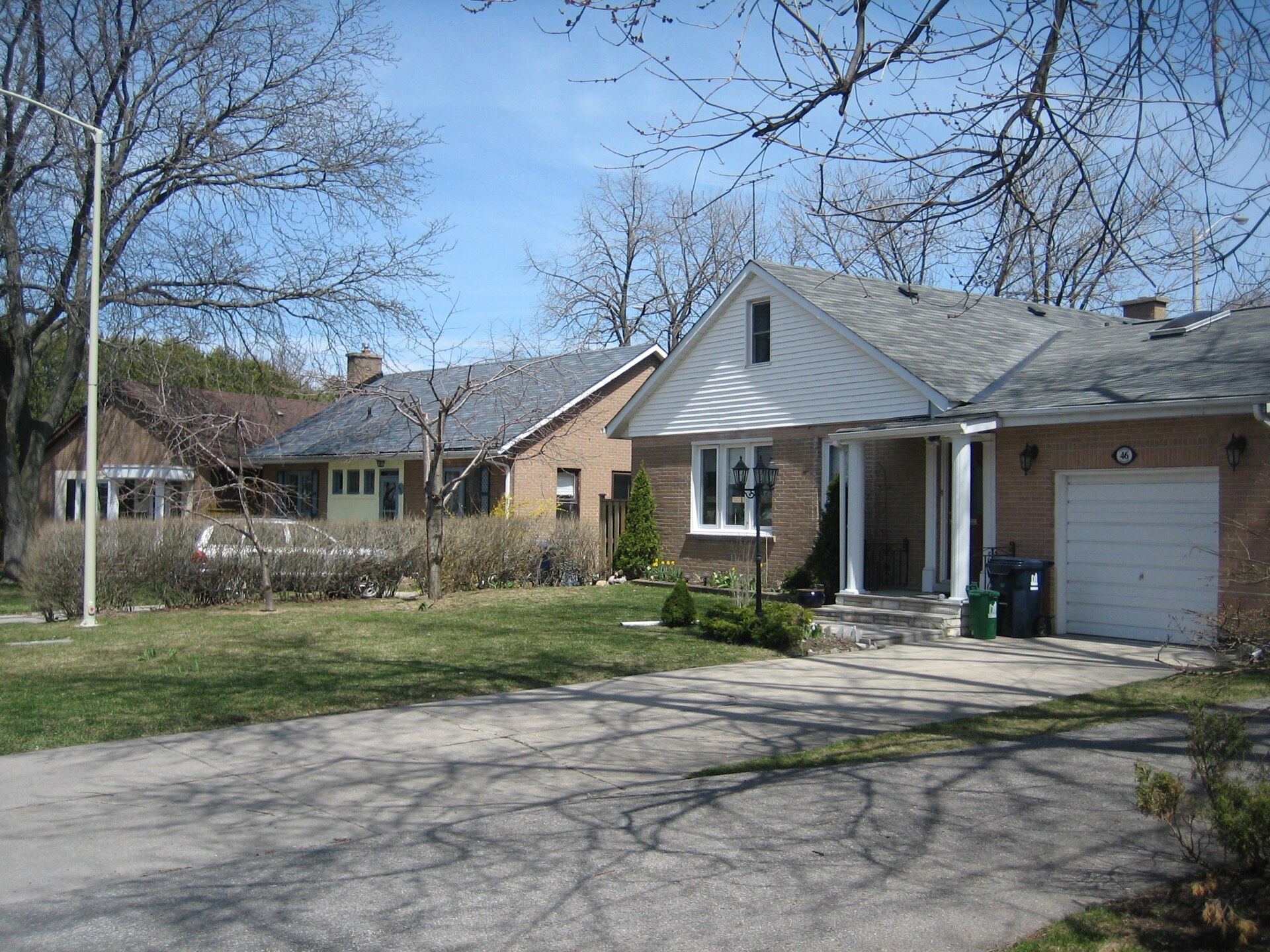
Ontario’s rules now allow up to three units on most serviced urban lots. That gives the classic post-war bungalow a new role as a multigenerational or income property. Our post on preserving bungalow heritage shows how owners balance old charm with modern needs.
What a bungalow’s age tells you as a buyer
Knowing when a bungalow was built helps you plan. The era hints at the materials, the systems and the likely projects ahead.
- Early Craftsman homes: Expect plaster walls, older wiring and possibly original wood windows.
- Wartime and post-war homes: Check insulation, windows, the electrical panel and drain pipes.
- Later raised bungalows and split-levels: Look at roof age, furnace age and basement moisture.
- Newer bungalows: Ask about builder warranties and any remaining coverage.
A thorough home inspection is the best way to understand any older home. Ask your inspector to point out original features worth keeping, too.
Frequently asked questions
What does the word bungalow mean?
It comes from the Hindi word “bangla,” meaning “of Bengal.” It first described single-storey houses with verandas in that region of India.
When did bungalows become popular in Canada?
They gained popularity in the early twentieth century with the Arts and Crafts movement. They became widespread in the suburban building boom after the Second World War.
Are old bungalows worth preserving?
Many are, especially those with original character or on valuable lots. A careful renovation can keep their charm while updating systems and comfort.
A style built to last
From Bengal verandas to Ontario suburbs, the bungalow has adapted to each era while keeping its simple, livable core. That’s why so many buyers still seek one out today.
Want to own a piece of that history? Browse bungalows for sale across Ontario and set up listing alerts for the styles you love.
Bungalows for sale in Toronto right now
Live listings from the area this article covers.
 $1,500,00097 Estelle Avenue, Toronto3+4 bed · 7 bath · Willowdale EastCourtesy of RE/MAX REALTRON REALTY INC.
 $699,0007 Twenty Second Street, Toronto3+3 bed · 3 bath · Long BranchCourtesy of RE/MAX PREMIER INC.
 $945,000257 John Tabor Trail E, Toronto3+2 bed · 2 bath · MalvernCourtesy of RE/MAX ATRIUM HOME REALTY
 $1,145,000109 Gulliver Road, Toronto4 bed · 3 bath · Brookhaven-AmesburyCourtesy of RE/MAX REALTY SPECIALISTS INC.
 $1,398,80074 Navaho Drive, Toronto3+4 bed · 3 bath · Pleasant ViewCourtesy of HOMELIFE LANDMARK REALTY INC.
 $2,990,00061 Highland Crescent, Toronto2+1 bed · 2 bath · Bridle Path-Sunnybrook-York MillsCourtesy of RE/MAX REALTRON BARRY COHEN HOMES INC.