AI home automation uses software that learns patterns and makes decisions, so your home adjusts itself instead of waiting for commands. Today, that mostly means thermostats that learn your schedule, cameras that recognize people versus cars, lighting that responds to occupancy, and voice assistants that understand natural requests. Fully self-running homes are still early, but a bungalow can benefit from the practical pieces right now.
Key takeaways
- AI in homes today is mostly pattern learning, recognition and voice understanding.
- Thermostats, cameras and lighting are where AI adds the most value now.
- Many “AI” labels are marketing; focus on what a device actually does.
- Privacy settings and network security matter more as devices learn more.
What does AI mean in home automation?
Traditional automation follows fixed rules you set: turn on the porch light at 7 p.m. AI-driven automation tries to figure out the rules for you, based on what it observes.
In practice, that falls into three groups:
- Learning: Devices notice your habits and build schedules, like a learning thermostat.
- Recognition: Cameras and sensors tell the difference between a person, a pet, a package or a car.
- Language: Voice assistants and apps understand everyday phrasing instead of exact commands.
Newer assistants increasingly use large language models to handle more natural conversation. That makes setup and control easier, but they still depend on the devices you connect.
What is available today vs. still early
| Feature | Status in Ontario homes | What it does |
|---|---|---|
| Learning thermostats | Widely available | Builds heating and cooling schedules automatically |
| Person and package detection on cameras | Widely available | Fewer false alerts from cars or trees |
| Occupancy-based lighting | Available | Lights follow you through the house |
| Energy monitoring with appliance breakdown | Available, improving | Estimates which devices use the most power |
| Conversational assistants that create routines | Emerging | Set up automations by describing them in plain language |
| Fully self-managing homes | Early | Coordinate every system with little input |
Why bungalows are a good fit
AI systems rely on sensors and a reliable network. In a bungalow, the main living area is on one level, so motion sensors, cameras and Wi-Fi coverage are simpler and cheaper to install.
Single-level layouts also make occupancy patterns easier for software to read. When you move from the kitchen to the bedroom wing, there is no staircase or second floor to confuse things.
Bungalow tip: Many bungalow owners plan to age in place. Automations like motion-triggered night lights and voice-controlled thermostats add comfort today and support independence later.
Practical AI automations to try
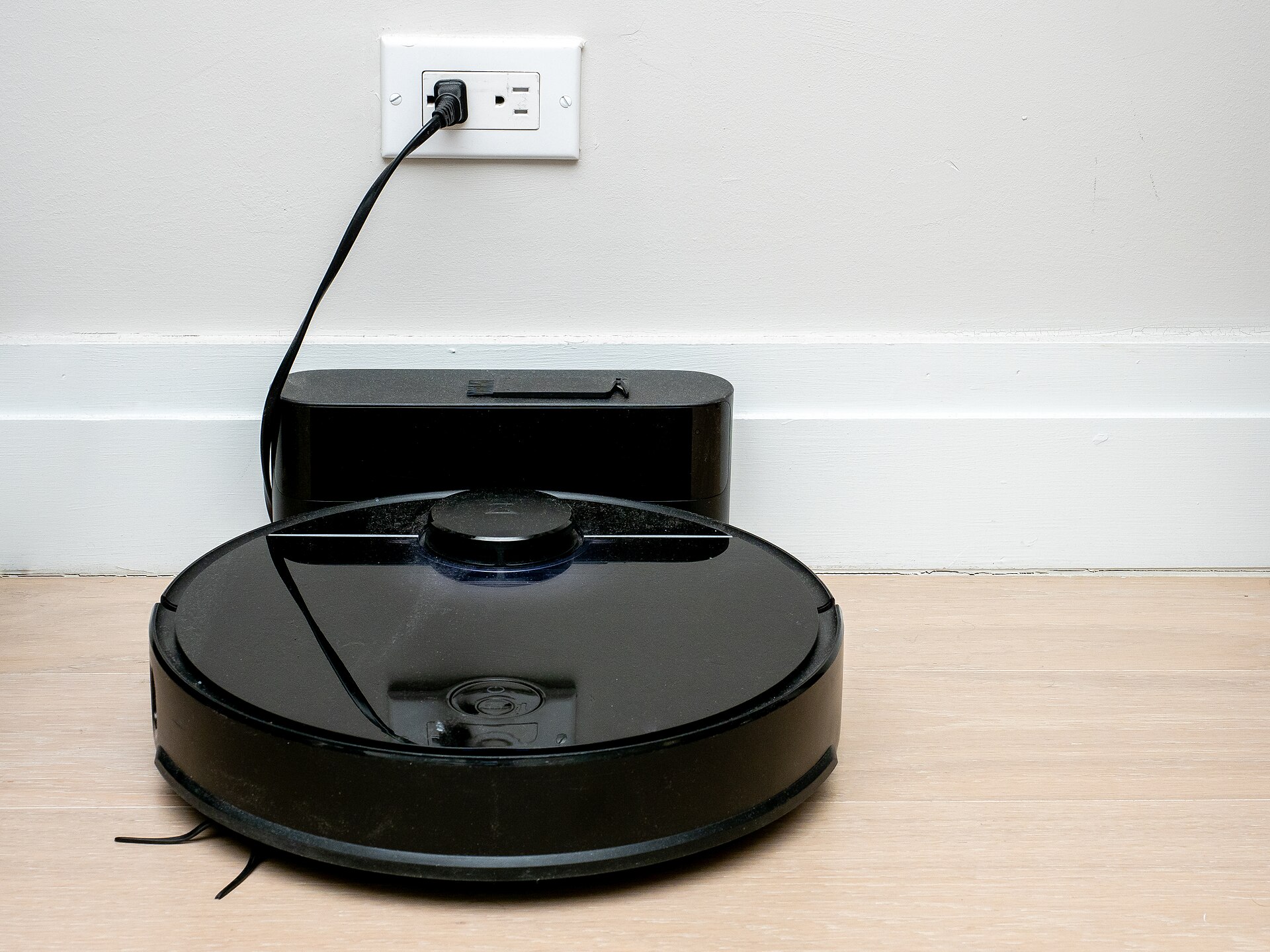
- Adaptive heating and cooling: Let a learning thermostat and room sensors manage comfort in occupied rooms.
- Smarter security alerts: Set cameras to notify you only for people or packages.
- Presence-based routines: Lights, locks and thermostat adjust when the last person leaves.
- Night path lighting: Low lights guide you from the bedroom to the bathroom.
- Energy insights: Use a smart meter or energy monitor to spot appliances that waste power.
Start with one or two. If you are new to connected devices, our guide to smart home devices for beginners explains how to pick a platform first.
A simple plan to get started
You do not need to automate everything at once. A step-by-step approach keeps costs down and helps you learn what is useful.
- Strengthen your Wi-Fi. Make sure every room, including the basement, gets a solid signal.
- Pick one platform. Choose an ecosystem that matches your phones and smart speakers.
- Add one learning device. A smart thermostat is usually the best first step.
- Add sensors gradually. Motion, door and leak sensors give the system more to learn from.
- Review after a month. Keep automations that help and delete the ones that annoy you.
Expect some trial and error. Automations that misfire are a normal part of tuning a system to your household.
Privacy and security: the trade-off
AI devices learn by collecting data about your routines, voices and faces. Before you buy, check:
- Whether video and voice are processed on the device or in the cloud.
- How long recordings are stored and how to delete them.
- Whether facial recognition can be turned off.
- How the company handles software updates and security fixes.
Use strong, unique passwords and two-factor authentication on every account. Our guide to smart home cybersecurity covers network setup in more detail.
Bungalow tip: Point exterior cameras at your own property, not into neighbours’ yards or windows. It respects their privacy and avoids disputes.
Does AI home automation add value when you sell?
Smart features can make a listing feel modern, but appraisers focus on location, size, condition and layout. Buyers may also prefer to set up their own systems.
The safest approach is to list which devices are included, reset them before closing and leave manuals and account transfer instructions. Our seller’s guide explains how to present upgrades to buyers.
Frequently asked questions
Is AI home automation worth it?
For many households, a few AI features like learning thermostats and smarter camera alerts are worth it. A fully automated home is costly and still maturing, so start small.
Do AI home devices work without the internet?
Some process data locally and keep basic functions offline, but many rely on cloud services for learning and voice. Check each device’s offline behaviour before you buy.
Can AI automation help older adults live independently?
It can help with voice control, automatic lighting and remote check-ins by family. It supports, rather than replaces, good accessible design and personal care.
The bottom line on AI in your home
AI home automation is useful today when it solves specific problems: comfort, security alerts and convenience. Skip the hype, protect your privacy and build gradually on a reliable network.
Looking for a bungalow with a layout that suits a connected, low-stress lifestyle? Set up new-listing alerts to see homes as soon as they hit the market.
Bungalows for sale in AI right now
Live listings from the area this article covers.
 $450,0004925 SAINT CLAIR Avenue, Niagara Falls1 bath · 210 - DowntownCourtesy of RE/MAX Real Estate Centre Inc
 $489,00039 Chamberlain Crescent, Penetanguishene2 bed · 2 bath · PenetanguisheneCourtesy of RE/MAX Georgian Bay Realty Ltd
 $945,000257 John Tabor Trail E, Toronto3+2 bed · 2 bath · MalvernCourtesy of RE/MAX ATRIUM HOME REALTY
 $579,900964 Rainbow Crescent, Kingston2+1 bed · 2 bath · 13 - Kingston East (Incl Barret Crt)Courtesy of MCCAFFREY REALTY INC., BROKERAGE
 $799,00060 Maple Avenue, Adjala-Tosorontio3+1 bed · 2 bath · GlencairnCourtesy of RIGHT AT HOME REALTY
 $719,9002229 Lorraine Drive, Peterborough3 bed · 2 bath · Northcrest Ward 5Courtesy of Century 21 United Realty Inc.