
A climate resilient home is one that resists damage from extreme weather and recovers quickly when something does go wrong. For Ontario bungalows, the biggest risks are basement flooding, ice storms and power outages, high winds and heat waves. The most effective upgrades are a backwater valve and sump system, good grading and gutters, a well-maintained roof, and a backup power plan.
Key takeaways
- Water is the most common and costly weather threat to Ontario homes.
- A backwater valve, sump pump and proper grading protect the basement.
- A strong roof and trimmed trees reduce wind and ice damage.
- Talk to your insurance broker about overland flood and sewer backup coverage.
Why climate resilience matters for bungalow owners
A bungalow’s main living area sits close to the ground, and most have full basements. Many owners finish those basements as rec rooms, guest suites or rental units, which raises the cost of any water damage.
At the same time, a bungalow’s large roof is exposed to snow, ice and wind across its whole footprint. Protecting the top and bottom of the house is the heart of bungalow resilience.
Protecting your basement from flooding
Basement water usually arrives in one of three ways: sewer backup, groundwater seeping through the foundation, or surface water flowing toward the house.
Stop sewer backup
A backwater valve on the main sewer line stops city sewage from flowing back into your basement during heavy storms. Many GTA municipalities have offered subsidies for installing one, so check your city’s current program. A licensed plumber and a permit are typically required.
Manage groundwater
A sump pump collects water from around the foundation and pumps it away. A battery backup keeps it running during the power outages that often come with big storms. Our guide on what a sump pump is explains how to check yours.
Redirect surface water
- Grade soil so it slopes away from the foundation.
- Clean gutters every spring and fall.
- Extend downspouts well away from walls, and disconnect them from the sewer if your city requires it.
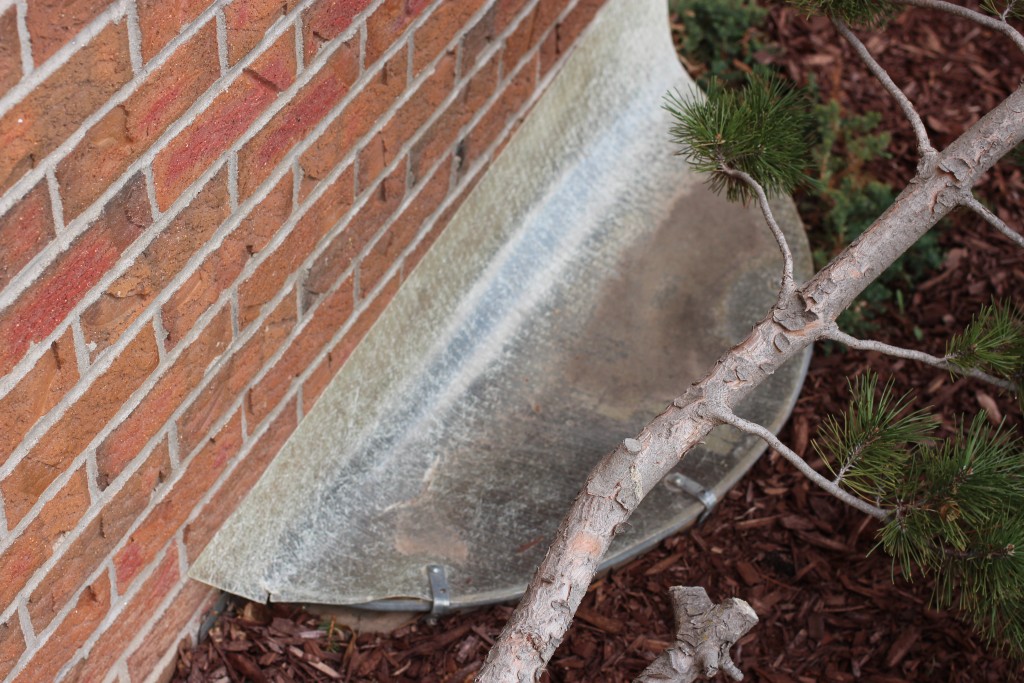
- Seal window wells and add covers.
- Store valuables on shelves, not the basement floor.
Bungalow tip: If you plan a basement suite, add flood protection before finishing. Retrofitting after drywall and flooring go in costs much more.
Roofs, trees and wind
High winds and ice storms test a roof. In a bungalow, the roof covers every room, so any failure affects the whole home.
- Have the roof inspected after major storms and replace damaged shingles quickly.
- When re-roofing, ask about impact-resistant shingles or metal roofing.
- Improve attic insulation and ventilation to prevent ice dams.
- Trim branches that overhang the roof or power line to your house.
- Secure patio furniture, barbecues and trampolines before wind warnings.
Our post on how often to replace your roof lists the signs of a roof near the end of its life.
Power outages and heat waves
Outages can follow ice storms, wind storms and summer thunderstorms. Plan so your home stays safe and functional.
| Option | What it powers | Things to know |
|---|---|---|
| Battery backup for sump pump | Sump pump only | Essential if your basement relies on a pump |
| Portable generator | Select appliances via cords or a transfer switch | Never run indoors or in a garage; needs fuel storage |
| Standby generator | Much or all of the house automatically | Higher cost; needs permits and professional install |
| Home battery (often with solar) | Critical circuits | Quiet; capacity limits how long it lasts |
Whatever backup you choose, keep a simple outage kit ready: flashlights, a battery radio, phone power banks, drinking water and a cooler for fridge items. Our guide to home emergency preparedness includes a full checklist and the smart alerts worth adding.
For heat waves, a well-insulated attic, exterior shading and efficient cooling make a big difference. See our guide on passive cooling home design for ideas.
Insurance and paperwork
Standard home insurance does not always cover every type of water damage. Ask your insurance broker specifically about:
- Sewer backup coverage.
- Overland flood coverage.
- Whether a backwater valve or sump backup affects your premium.
- Coverage limits for a finished basement or rental suite.
Keep photos of your home’s contents and receipts for major upgrades in cloud storage. Our guide to house insurance in Ontario covers the basics.
Checking resilience when you buy
When viewing bungalows, look for signs of past water problems: staining on basement walls, a musty smell, fresh paint in just one spot or efflorescence on concrete. Ask whether the home has a backwater valve and sump backup, and have your home inspector review grading and the roof.
Frequently asked questions
What is the best way to prevent basement flooding?
Combine a backwater valve, a sump pump with battery backup, good grading and clean, extended downspouts. Together they address the most common ways water gets in.
Does home insurance cover basement flooding in Ontario?
Not automatically. Sewer backup and overland flood are often optional coverages, so confirm the details with your insurance broker.
Is a generator worth it for a bungalow?
If outages are common in your area or you rely on a sump pump, backup power is worth considering. Even a battery backup for the sump pump adds real protection.
The bottom line on bungalow resilience
A climate resilient bungalow keeps water out, keeps the roof on and keeps critical systems running. Start with the basement, then work up to the roof and your backup power plan.
Shopping for a home? Set up listing alerts and ask us about each bungalow’s flood protection and roof age before you book a showing.
The newest bungalows on the market
Fresh listings, updated every 15 minutes.
 $525,00041 Fox Trail Drive, St. Catharines3 bed · 2 bath · 462 - Rykert/VansickleCourtesy of RE/MAX NIAGARA REALTY LTD, BROKERAGE
 $459,9001737 2nd Street W, Cornwall3+1 bed · 2 bath · 717 - CornwallCourtesy of RE/MAX AFFILIATES MARQUIS LTD.
 $938,00052 Devins Drive, Aurora3 bed · 2 bath · Aurora HeightsCourtesy of REAL ONE REALTY INC.
 $349,900109 Powerview Avenue, St. Catharines3 bed · 1 bath · 458 - Western HillCourtesy of ROYAL LEPAGE NRC REALTY
 $999,00022 Avondale Crescent, Aurora4 bed · 3 bath · Aurora VillageCourtesy of RE/MAX HALLMARK REALTY LTD.
 $819,9002409 Whaley Drive, Mississauga3 bed · 2 bath · CooksvilleCourtesy of SUTTON GROUP - SUMMIT REALTY INC.