
The future of smart homes is less about flashy gadgets and more about devices that work together, manage energy on their own and quietly support people as they age. Much of that is already available in Ontario today. Other ideas, like homes that fully run themselves, are still early and worth watching rather than buying.
Key takeaways
- Common standards are making devices from different brands work together.
- Energy management is the most practical smart home trend for homeowners.
- Sensors that support aging in place are moving into mainstream homes.
- Fully self-running homes and household robots are still early.
- Good wiring, Wi-Fi and electrical capacity are the best ways to future-proof.
Where smart homes are today
Most Ontario homeowners now use at least one connected device, often a smart thermostat, video doorbell or voice assistant. The problem has been fragmentation. Different brands use different apps, and devices often do not talk to each other.
That is starting to change. Newer industry standards, such as Matter, aim to let devices from different makers work in one system. Support is growing but still uneven, so check compatibility before you buy.
For today’s core device types, read our guide to smart home technology for bungalows.
Trend 1: Homes that manage their own energy
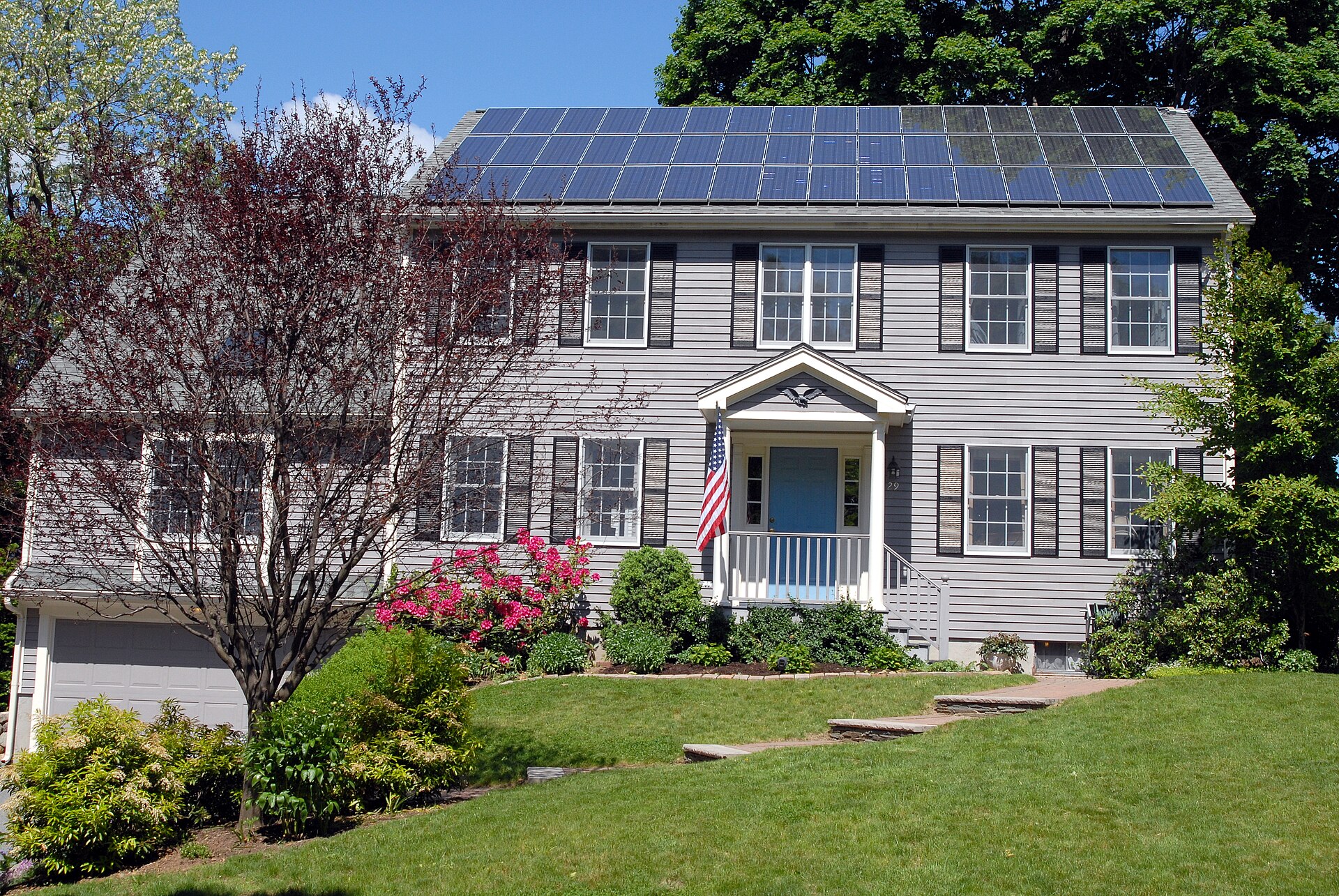
The most useful shift is homes that use energy more wisely without constant input. This is practical now, not science fiction.
- Smart thermostats pre-heat or pre-cool before peak periods.
- Appliance scheduling runs dishwashers and dryers when electricity costs less, based on your rate plan.
- EV charging schedules charge your car overnight.
- Energy monitors show which appliances use the most power.
Ontario offers different electricity price plans, including time-of-use and overnight options. A smart home can follow whichever plan you choose. Check your local utility for current plans.
What is still early
Home batteries, solar panels and cars that send power back to the house are available, but costs, rules and payback periods vary. Treat them as a careful, case-by-case decision rather than a must-have.
Trend 2: Smart features that support aging in place
Bungalows are popular with people who want to stay in their homes longer. Smart tech is starting to help.
- Motion-activated night lighting in hallways and bathrooms.
- Door and motion sensors that let family know daily routines are normal.
- Video doorbells and smart locks so a caregiver can be let in remotely.
- Voice control for lights, thermostats and calls.
Privacy matters here. Agree as a family on what is monitored and who sees alerts. Our post on aging in place in a bungalow covers the physical changes that pair well with these tools.
Trend 3: Smarter assistants and automation
Voice assistants are becoming more conversational, and some apps now suggest automations based on your habits. For example, an app may notice you always turn off the lights at 11 p.m. and offer to do it for you.
These tools are improving fast but still make mistakes. Keep manual switches working and review what data your devices collect and store.
Privacy and security come with the territory
More connected devices means more accounts, passwords and data. Use strong, unique passwords, turn on two-step login and keep firmware updated. Our guide to smart home cybersecurity walks through a simple routine.
Before you buy a device, check how long the maker promises security updates. A cheap gadget that stops getting updates can become a weak spot on your network.
What’s ready now vs. what’s still early
| Technology | Status in Ontario homes | Our take |
|---|---|---|
| Smart thermostats and sensors | Widely available | Good first upgrade |
| Leak sensors with shut-off valves | Widely available | Strong value for finished basements |
| Cross-brand standards like Matter | Growing support | Check before you buy |
| Home batteries and solar | Available, case by case | Run the numbers carefully |
| Vehicle-to-home power | Early | Watch, don’t plan around it yet |
| Household robots beyond vacuums | Very early | Not a buying factor |
How to future-proof a bungalow without overspending
You do not need to guess which gadgets will win. Focus on the infrastructure that every future device will need.
- Electrical capacity: have an electrician check if your panel can handle a heat pump, EV charger and induction cooking.
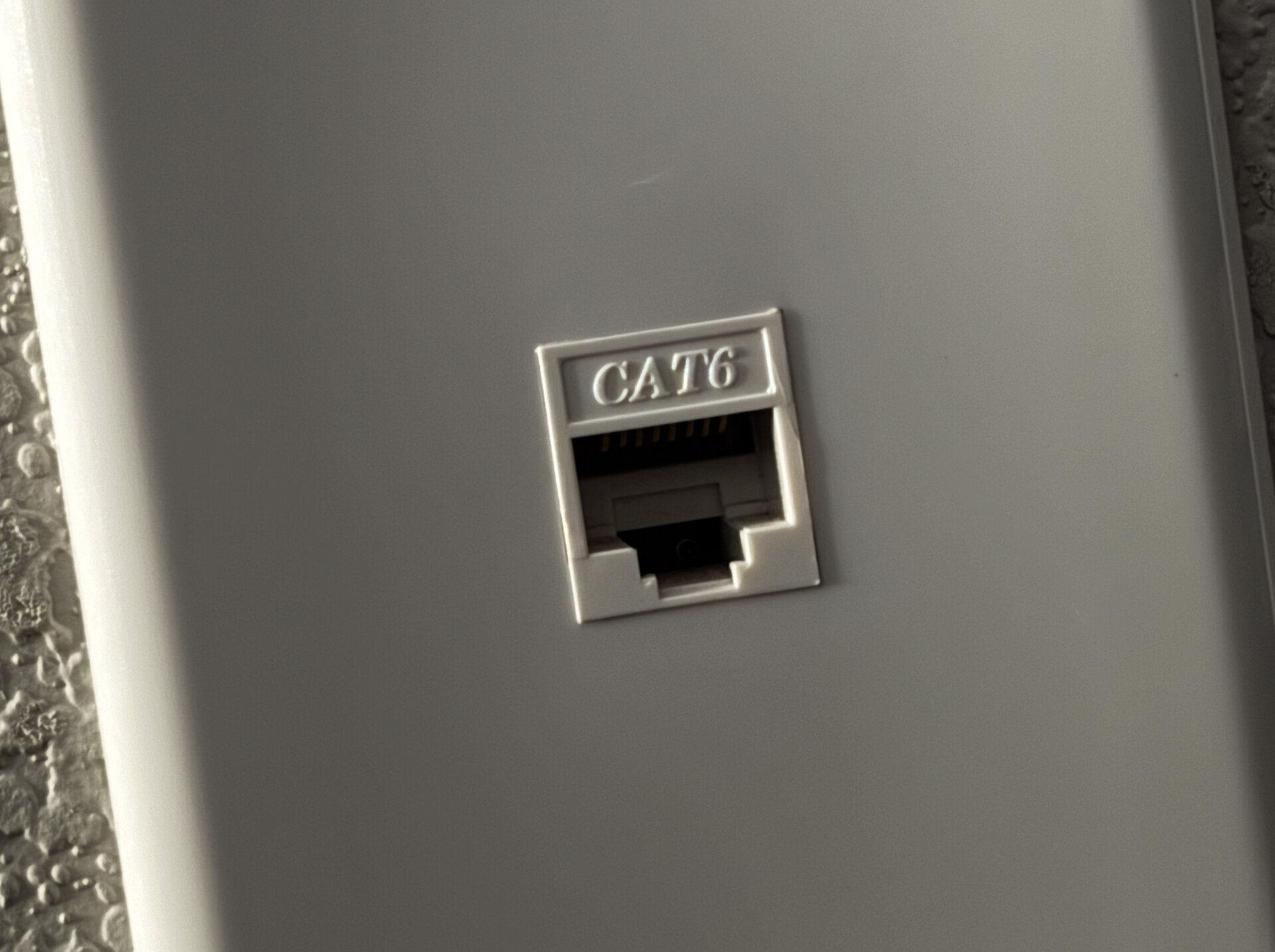
- Network wiring: run Ethernet when walls or ceilings are open.
- Conduit: add empty conduit to the garage, attic and exterior for future cables.
- Neutral wires in switch boxes: many smart switches need them, and older homes may lack them.
- Simple documentation: keep a list of devices, accounts and passwords for the next owner.
Bungalow tip: The open basement ceiling in many bungalows is the easiest place to run new cable and conduit. Do it before you finish the basement.
Frequently asked questions
Will smart home tech add value to my bungalow?
It can add appeal, especially energy and safety features, but it is not guaranteed to raise the price. Buyers value good systems and lower bills more than specific gadgets.
What is the Matter smart home standard?
Matter is an industry standard designed to let smart devices from different brands work together. Support is growing, but not every device or feature is covered yet.
Should I wait for better technology before upgrading?
Not for the basics. Upgrade wiring, panel capacity and core devices now, and wait on early technologies until prices and rules settle.
Planning for tomorrow’s smart bungalow
The future of smart homes is practical: steady comfort, lower energy use and quiet support for daily life. Build the foundation now and add devices as they prove themselves.
If you are shopping, set up bungalow listing alerts and ask about panel size, wiring and system ages at every showing.
The newest bungalows on the market
Fresh listings, updated every 15 minutes.
 $525,00041 Fox Trail Drive, St. Catharines3 bed · 2 bath · 462 - Rykert/VansickleCourtesy of RE/MAX NIAGARA REALTY LTD, BROKERAGE
 $459,9001737 2nd Street W, Cornwall3+1 bed · 2 bath · 717 - CornwallCourtesy of RE/MAX AFFILIATES MARQUIS LTD.
 $938,00052 Devins Drive, Aurora3 bed · 2 bath · Aurora HeightsCourtesy of REAL ONE REALTY INC.
 $349,900109 Powerview Avenue, St. Catharines3 bed · 1 bath · 458 - Western HillCourtesy of ROYAL LEPAGE NRC REALTY
 $999,00022 Avondale Crescent, Aurora4 bed · 3 bath · Aurora VillageCourtesy of RE/MAX HALLMARK REALTY LTD.
 $819,9002409 Whaley Drive, Mississauga3 bed · 2 bath · CooksvilleCourtesy of SUTTON GROUP - SUMMIT REALTY INC.