To find a bungalow for rent in the GTA, know exactly what you need, search several sources every day, have your application documents ready, and view homes in person before you pay anything. Bungalow rentals are less common than apartments, so speed and preparation matter. A Realtor can also help you find and secure a rental, often at no direct cost to you.
Key takeaways
- Define your must-haves before you start searching.
- Prepare references, proof of income and a credit report in advance.
- Always view the home and verify the landlord before paying.
- Read the Ontario Standard Lease carefully before signing.
Step 1: Know what kind of bungalow rental you want
“Bungalow for rent” can mean a few different setups. Decide which ones work for you:
| Rental type | What you get | Good for |
|---|---|---|
| Whole bungalow | The entire house and yard | Families, pet owners, downsizers |
| Main floor unit | Upper level, with a separate basement tenant | Couples and small families |
| Basement unit | Lower level with its own entrance | Singles, students, budget-minded renters |
| Bungalow townhome or condo bungalow | One-level living in a managed community | Downsizers who want less upkeep |
Then list your must-haves: number of bedrooms, parking, laundry, pets, yard, accessibility features and maximum commute time.
Step 2: Set a realistic budget
Start with rent, then add what the lease may not include:
- Utilities such as hydro, gas and water.
- Internet and phone.
- Tenant insurance, which many landlords require.
- Lawn and snow equipment if those jobs are yours.
- Moving costs.
In Ontario, a landlord can ask for a rent deposit equal to no more than one rental period, used as your last month’s rent, plus a refundable key deposit. A separate damage deposit isn’t allowed.
Step 3: Search in the right places
- Work with a Realtor. Many rentals are listed on the MLS, and an agent can set up searches and book showings.
- Check rental websites and apps daily, and save searches with alerts.
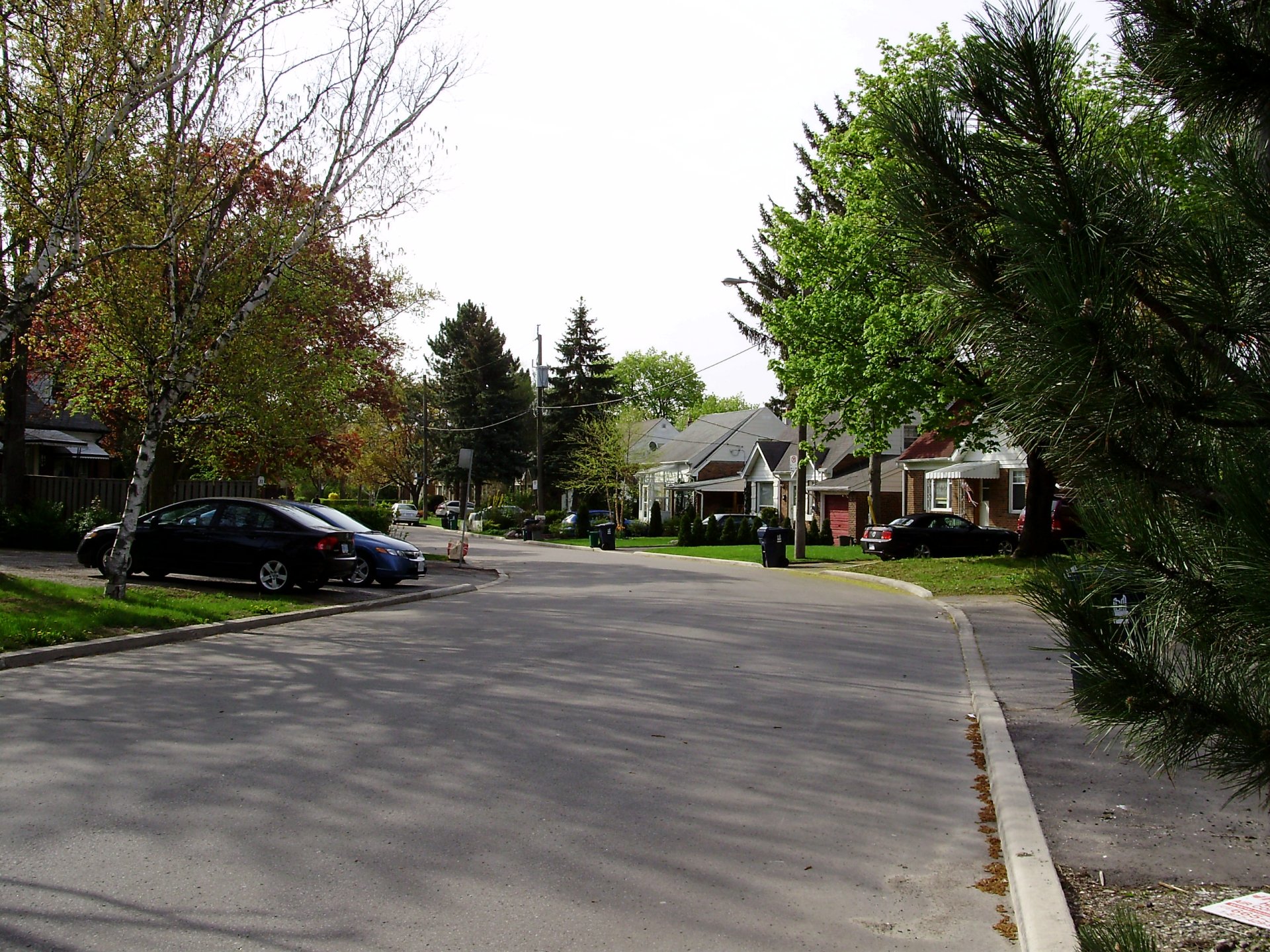
- Drive the neighbourhoods you like. Some landlords still use lawn signs.
- Ask your network. Friends, coworkers and community groups often hear about rentals first.
Widening your search area helps too. If Toronto is tight, look at nearby cities in Peel Region, Durham Region or Simcoe County.
Step 4: Prepare an application that stands out
Good bungalow rentals can get many applications. Have a ready-to-send package that includes:
- A completed rental application.
- Proof of income, such as a job letter and recent pay stubs.
- A recent credit report.
- Landlord and employer references with contact details.
- Photo ID.
- A short, friendly cover note about who you are and why you’d be a great tenant.
Bungalow tip: If you have a pet, include a “pet résumé” with vaccination records and a reference from a past landlord. It can ease a landlord’s worries.
Step 5: Inspect the home carefully
At the viewing, look beyond the décor. Check:
- Signs of water damage or musty smells, especially in basements.
- Working smoke and carbon monoxide alarms.
- Window sizes in basement bedrooms for safe exit.
- Heating type, water pressure and appliance condition.
- Laundry access and parking arrangements.
- Who handles lawn care and snow removal.
Ask whether a basement unit is legal and registered. Legal units must meet fire and building code rules, which protects your safety.
Step 6: Avoid rental scams
Rental scams are common in busy markets. Watch for these red flags:
- Rent that’s far below similar homes nearby.
- A landlord who can’t show you the home in person.
- Pressure to send a deposit by e-transfer or wire before a viewing.
- Listing photos copied from a for-sale listing.
- Refusal to sign a written lease.
Never pay before you’ve seen the home and confirmed the person renting it has the right to do so. Our guide to spotting real estate scams has more tips.
Step 7: Review the lease and plan your move-in
Once a landlord accepts you, slow down and read everything before you sign. Most residential tenancies in Ontario must use the Ontario Standard Lease. Check:
- The rent amount, due date and what’s included.
- Which utilities you’ll pay and how they’re split with any other unit.
- Who handles lawn care, snow clearing and minor maintenance.
- Rules on parking, smoking and shared spaces.
- Any extra terms the landlord has added.
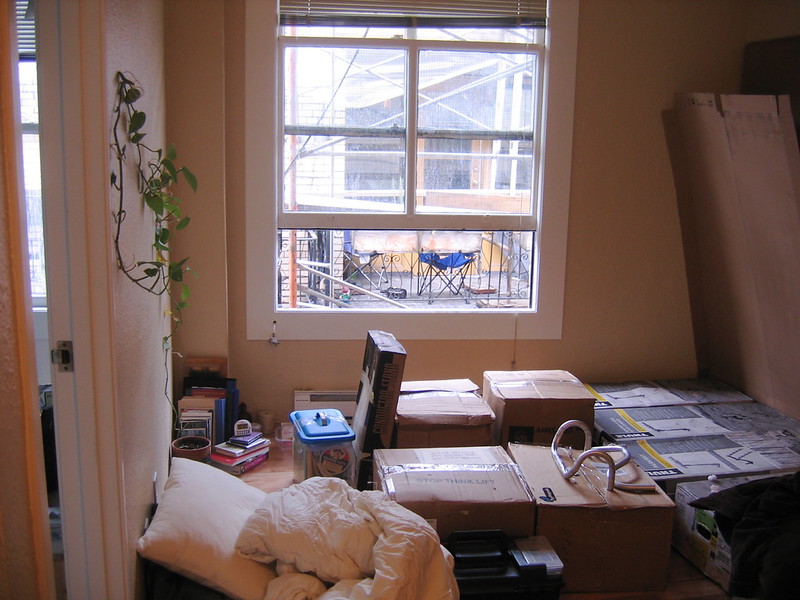
On move-in day, walk through the home with the landlord if you can. Take dated photos and video of every room, including floors, walls, appliances and the yard. Send a copy to the landlord by email so you both have a record.
Set up your tenant insurance and utilities to start on your move-in date. Then report any problems you find in writing within the first few days.
Frequently asked questions
Can a Realtor help me find a rental?
Yes. Many Realtors help tenants find rentals listed on the MLS. In many cases, the landlord pays the commission, but confirm the arrangement first.
How much deposit can a landlord charge in Ontario?
A landlord can collect a rent deposit of no more than one rental period, used for your last month, plus a refundable key deposit. Damage deposits aren’t allowed.
Is a basement bungalow unit legal to rent?
Only if it meets zoning, building and fire code rules. Ask the landlord about permits and registration.
What lease should I sign in Ontario?
Most residential tenancies must use the Ontario Standard Lease. Read it carefully, including any extra terms.
The bottom line
Finding a bungalow for rent takes focus, speed and caution. Know what you want, prepare your documents, inspect carefully and never pay before you’ve verified the landlord.
Before you sign, read our guide to tenant rights in Ontario so you know what to expect.
Bungalows for sale in Toronto right now
Live listings from the area this article covers.
 $1,500,00097 Estelle Avenue, Toronto3+4 bed · 7 bath · Willowdale EastCourtesy of RE/MAX REALTRON REALTY INC.
 $699,0007 Twenty Second Street, Toronto3+3 bed · 3 bath · Long BranchCourtesy of RE/MAX PREMIER INC.
 $945,000257 John Tabor Trail E, Toronto3+2 bed · 2 bath · MalvernCourtesy of RE/MAX ATRIUM HOME REALTY
 $1,145,000109 Gulliver Road, Toronto4 bed · 3 bath · Brookhaven-AmesburyCourtesy of RE/MAX REALTY SPECIALISTS INC.
 $1,398,80074 Navaho Drive, Toronto3+4 bed · 3 bath · Pleasant ViewCourtesy of HOMELIFE LANDMARK REALTY INC.
 $2,990,00061 Highland Crescent, Toronto2+1 bed · 2 bath · Bridle Path-Sunnybrook-York MillsCourtesy of RE/MAX REALTRON BARRY COHEN HOMES INC.