
A sustainable home renovation keeps as much of the existing house as possible, chooses durable and lower-impact materials, reduces construction waste and prepares the home for efficient electric systems. For Canadian bungalow owners, that often means renovating instead of rebuilding, insulating while walls are open and salvaging what can be reused. Here’s how to plan a greener project from start to finish.
Key takeaways
- Keeping and improving an existing bungalow avoids the impact of building new.
- Choose durable materials that won’t need replacing soon.
- Salvage, donate and sort waste to keep it out of landfill.
- Upgrade insulation and air sealing whenever walls or ceilings are open.
- Plan electrical capacity for a heat pump, induction and EV charging.
Start by keeping what works
The greenest building is often the one that already exists. Making new materials like concrete, steel and drywall creates emissions before you ever move in.
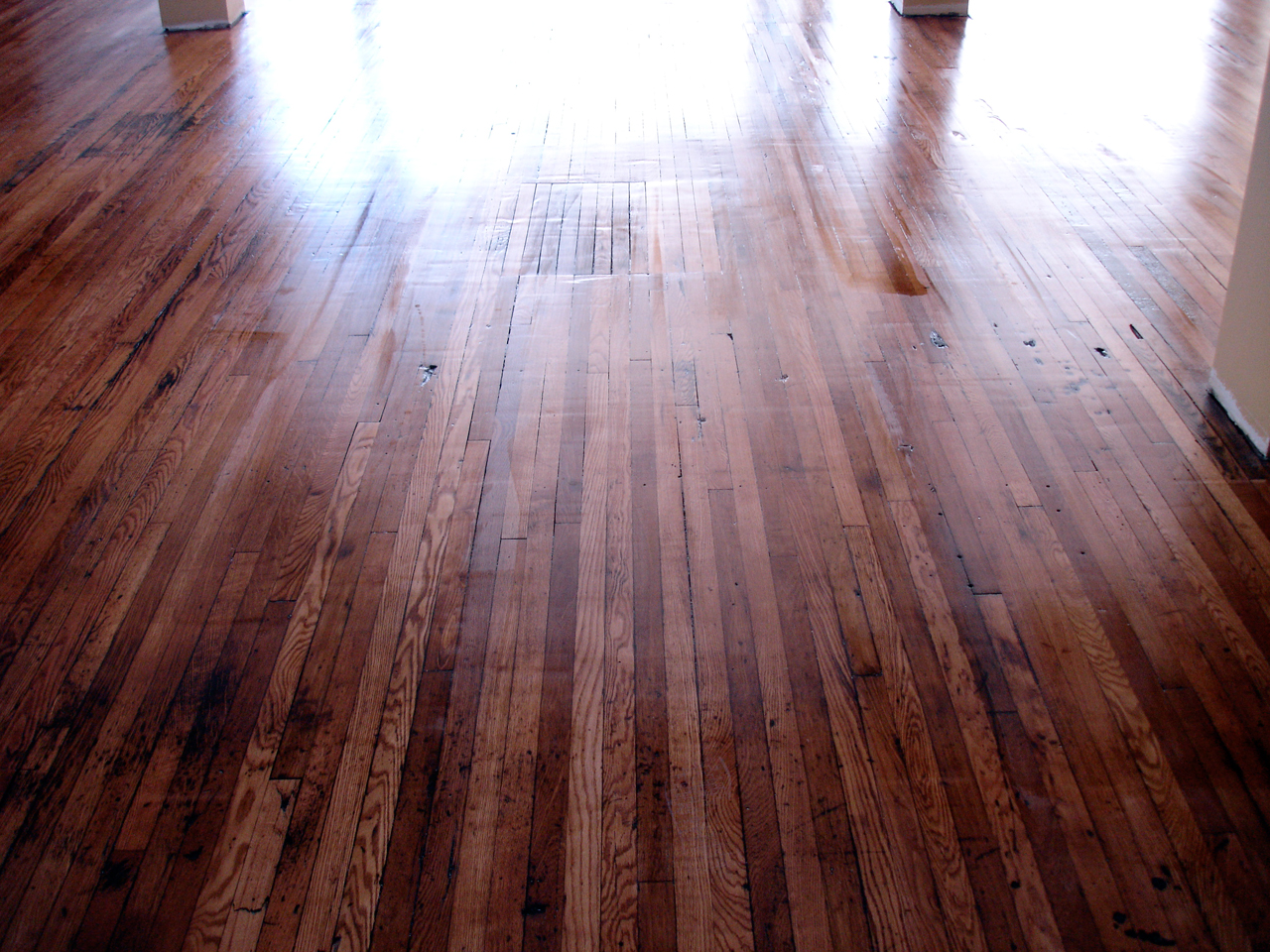
Many GTA bungalows have solid foundations, sound framing and good hardwood. Renovating around those can be more sustainable than tearing down. Before you plan demolition, ask:
- Can the original hardwood be refinished instead of replaced?
- Are the kitchen cabinet boxes solid enough to reface?
- Could interior doors, trim or fixtures be reused elsewhere?
- Does the layout really need walls moved, or just better lighting and storage?
If you’re weighing a full rebuild, our post on tearing down and rebuilding a bungalow covers the trade-offs.
Choose lower-impact, longer-lasting materials
A sustainable material is one that lasts, is healthy indoors and has a lighter footprint to make and dispose of.
| Category | Greener choices | Why |
|---|---|---|
| Wood | Third-party certified, responsibly managed wood; reclaimed lumber | Renewable and stores carbon |
| Insulation | Cellulose, mineral wool, wood fibre where suitable | Often lower embodied carbon than some foam products |
| Paints and finishes | Low-VOC or zero-VOC products | Better indoor air quality |
| Flooring | Refinished hardwood, durable tile, natural linoleum | Long-lasting and repairable |
| Counters | Durable surfaces you’ll keep for decades, or salvaged stone | Avoids frequent replacement |
Ask suppliers for product information and certifications. Avoid claims that sound vague, like “eco” with no details.
Cut construction waste
Renovation creates a lot of waste. With planning, much of it can be reused or recycled.
- Deconstruct, don’t just demolish. Carefully remove cabinets, doors, fixtures and lumber for reuse.
- Donate usable items to charity building-supply stores or local reuse groups.
- Sort waste on site. Metal, clean wood, cardboard and drywall can often be recycled separately.
- Order carefully. Accurate measurements mean fewer leftover materials.
- Ask your contractor how they handle waste and recycling.
Bungalow tip: Older homes can contain asbestos, vermiculite or lead paint. Test before deconstruction, and use qualified professionals for removal. Safety comes before salvage.
Improve the building envelope while it’s open
Renovations are the best time to improve energy performance. Opening walls and ceilings gives you access you won’t have again for years.
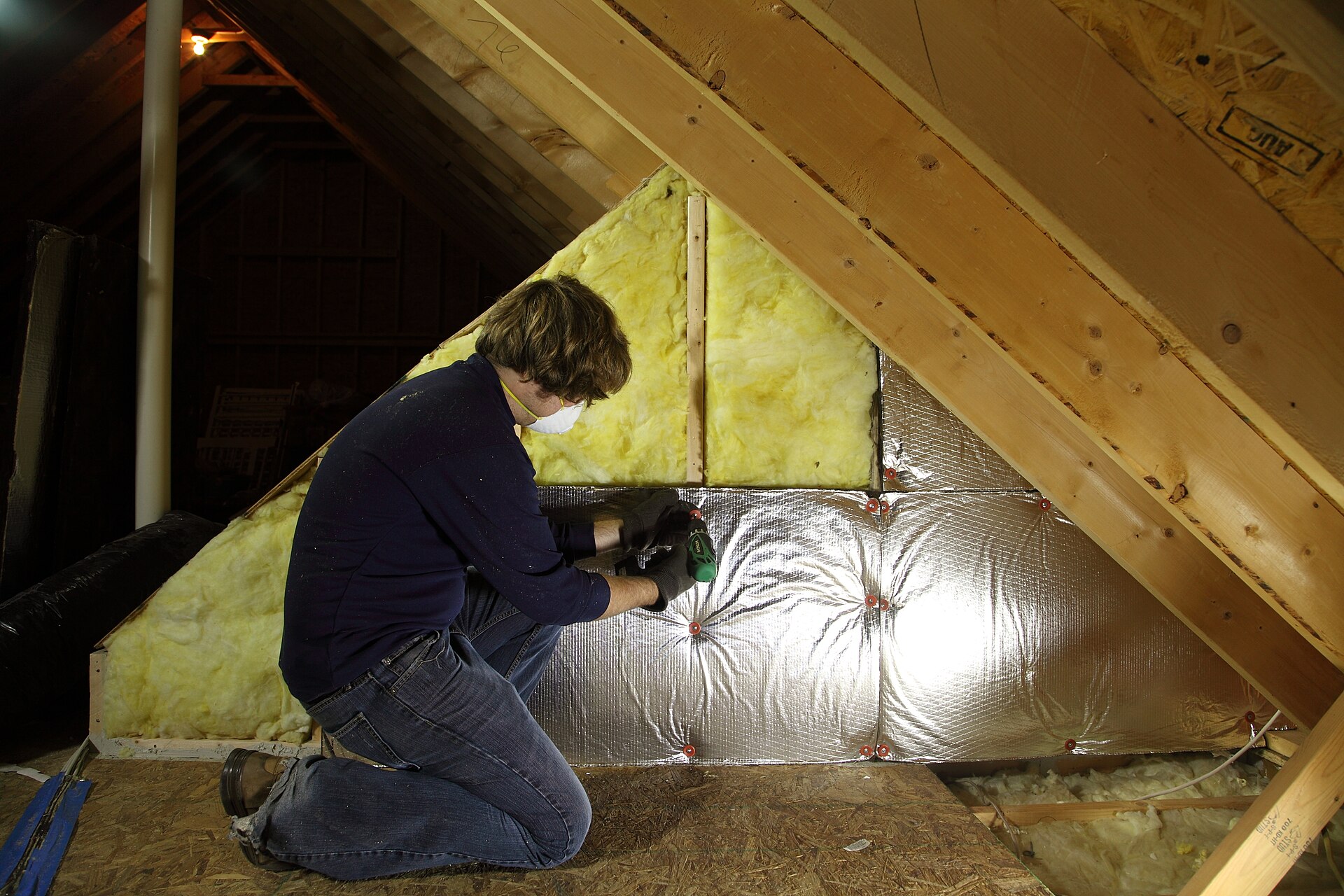
- Insulate exterior walls when the drywall is off.
- Seal air leaks around windows, outlets and the rim joist.
- Top up attic insulation, especially important in a bungalow’s large ceiling area.
- Insulate basement walls when finishing the lower level.
- Upgrade windows if they’re failing, not just for looks.
A home energy audit before you start helps you prioritize. See our guide to bungalow energy efficiency for the best order of upgrades.
Get ready for electrification
Many homeowners are moving toward electric heat pumps, induction cooking and electric vehicles. Even if you’re not ready yet, plan for it during your renovation.
- Have an electrician check your panel capacity and plan for future loads.
- Run conduit or wiring to the garage or driveway for future EV charging.
- Leave space and access for a heat pump outdoor unit.
- Consider whether your roof could host solar panels later, and keep that area clear of vents.
Planning now avoids opening finished walls again in a few years.
Questions to ask your contractor
- Have you done energy retrofits or salvage-focused renovations before?
- How will you sort and divert construction waste?
- Which low-VOC products do you recommend for this project?
- Can we plan rough-ins now for a heat pump, EV charger or solar later?
A contractor who answers these confidently is more likely to deliver a greener result without surprises.
Water and outdoor practices
- Install water-efficient toilets, faucets and shower heads.
- Use permeable pavers for new walkways and patios so rain soaks in.
- Redirect downspouts to rain barrels or rain gardens.
- Protect mature trees during construction. They shade and cool the home.
Frequently asked questions
Is renovating more sustainable than building new?
Often, yes, because you avoid the emissions of making new foundations and framing. A deep energy retrofit of an existing bungalow can be a strong environmental choice.
What are the most sustainable renovation materials?
Durable, repairable and low-toxicity materials are best, such as responsibly sourced or reclaimed wood, mineral wool or cellulose insulation, and low-VOC finishes.
Can I reuse materials from my own renovation?
Often. Hardwood, doors, trim, brick and fixtures can be cleaned and reused in the same home. Check older items for lead paint or other hazards before reusing them.
Does a sustainable renovation cost more?
Some materials cost more up front, while salvage and reuse can save money. Energy upgrades lower running costs over time. Get several quotes and compare long-term value.
The bottom line
A sustainable home renovation keeps what’s good, chooses materials that last, wastes less and prepares the home for a cleaner future. Your bungalow can be both comfortable and greener.
Looking for a bungalow with good bones to renovate? Browse fixer-upper bungalows for sale.
The newest bungalows on the market
Fresh listings, updated every 15 minutes.
 $349,900109 Powerview Avenue, St. Catharines3 bed · 1 bath · 458 - Western HillCourtesy of ROYAL LEPAGE NRC REALTY
 $999,00022 Avondale Crescent, Aurora4 bed · 3 bath · Aurora VillageCourtesy of RE/MAX HALLMARK REALTY LTD.
 $819,9002409 Whaley Drive, Mississauga3 bed · 2 bath · CooksvilleCourtesy of SUTTON GROUP - SUMMIT REALTY INC.
 $839,900145 Emma Street, Guelph3 bed · 2 bath · General HospitalCourtesy of Royal LePage Royal City Realty
 $829,90019 Palton Avenue, Kanata3 bed · 2 bath · 9008 - Kanata - Morgan's Grant/South MarchCourtesy of ROYAL LEPAGE TEAM REALTY
 $825,000353 County 25 Road, Greater Napanee3 bed · 2 bath · 58 - Greater NapaneeCourtesy of RE/MAX HALLMARK FIRST GROUP REALTY LTD. , BROKERAGE