Distressed property investing means buying a home that’s under financial, legal or physical stress, often for less than similar homes in good shape. In Ontario, that usually means power of sale listings, estate sales and run-down fixer-uppers. The upside is a lower price and room to add value. The downside is more risk, less information and harder financing.
Key takeaways
- Distressed homes are usually sold “as is” with limited disclosure.
- Most Ontario lender sales are power of sale, not foreclosure.
- Renovation costs and timelines often run over budget.
- Bungalows’ simple layouts can make them easier to renovate.
What makes a bungalow “distressed”?
A property can be distressed for different reasons. Knowing which one you’re dealing with tells you where the risk lies.
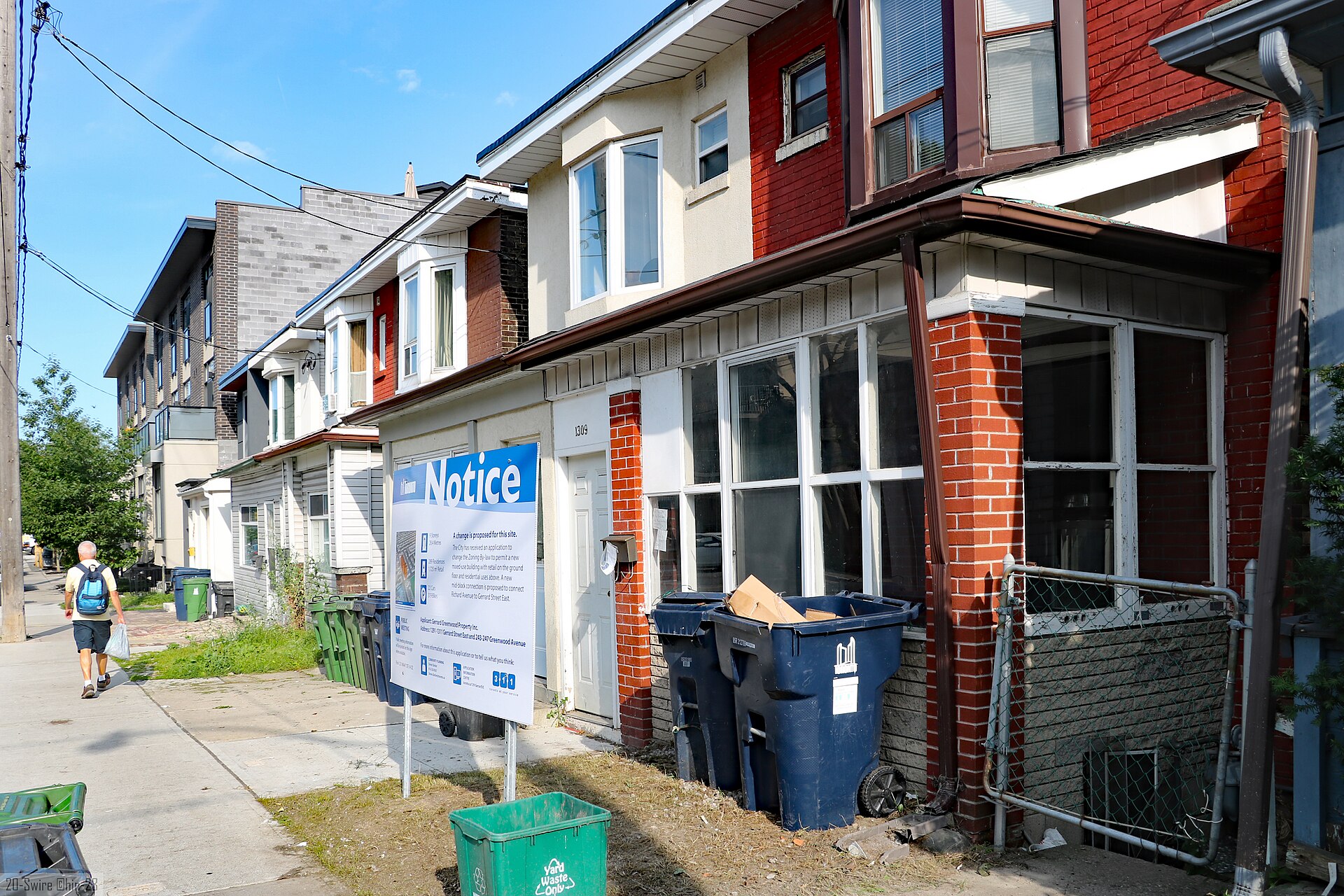
- Financial distress: the owner can’t pay the mortgage, and the lender sells under power of sale.
- Estate sales: the owner has passed away and the estate trustee sells, often with little knowledge of the home.
- Physical distress: the home needs major repairs, such as a new roof, foundation work or full updates.
- Motivated sellers: divorce, relocation or other life events push for a quick sale.
How power of sale works in Ontario
In Ontario, most lenders use power of sale rather than foreclosure. The lender sells the home to recover what it’s owed, and any surplus goes back to the owner.
The lender must try to get fair market value, so power of sale homes aren’t always bargains. They are usually sold “as is,” and the lender knows little about the property’s condition.
Agreements often include clauses that protect the lender, and the sale can be affected if the owner pays what’s owed before closing. Have a real estate lawyer review the terms before you sign.
What to know about estate sales
Estate sales are common with bungalows, because many owners stayed in their homes for decades. The seller is usually an estate trustee, often a family member, who may never have lived in the house.
That means disclosure is limited. The trustee may not know the age of the furnace, whether the basement leaks or if past work had permits. Expect the agreement to say the home is sold “as is.”
Estate homes are often dated rather than damaged. Original kitchens, worn carpet and old fixtures can scare off some buyers, which can work in your favour. Ask whether the trustee has the authority to sell and whether any probate steps are still pending, since that can affect timing.
The pros of distressed bungalow investments
- Lower purchase price: you may pay less than similar homes in good condition.
- Forced appreciation: renovations can raise the home’s value beyond what you spend.
- Less competition: many buyers can’t handle a home that needs work or can’t get financing.
- Simple structure: a one-storey layout can make roofing, rewiring and floor plan changes easier.
- Unit potential: a full basement may support a legal second unit once you renovate.
The cons and risks to weigh
| Risk | What it looks like | How to manage it |
|---|---|---|
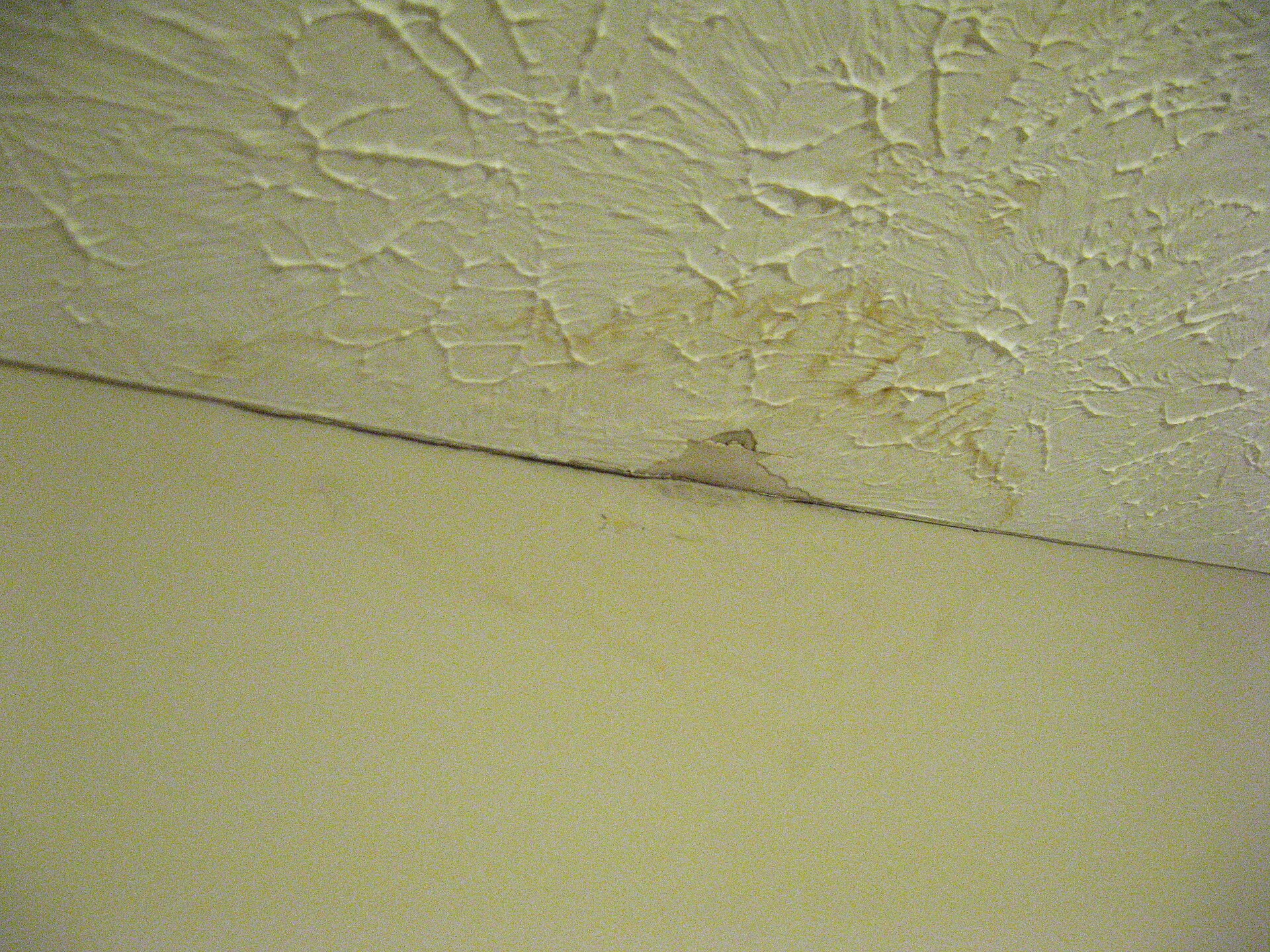
| Hidden damage | Mould, foundation cracks, old wiring | Inspect, or price in a large buffer |
| Cost overruns | Contractor delays, higher material prices | Get multiple quotes and add a contingency |
| Financing limits | Lenders may not lend on homes in poor shape | Talk to a mortgage agent early |
| Title or legal issues | Liens, work orders, unpermitted units | Have your lawyer search title and permits |
| Holding costs | Mortgage, taxes and utilities during renovation | Plan a realistic timeline |
Insurance can also be tricky for vacant homes or homes under renovation. Ask an insurance broker before you close.
How to size up a distressed bungalow
Start with what the home would sell for after repairs, often called the after-repair value. Then work backward.
- Study recent sales of updated bungalows nearby to estimate the after-repair value.
- Get contractor quotes for the full scope of work.
- Add closing costs, land transfer tax and holding costs.
- Add a contingency for surprises.
- Subtract it all from the after-repair value to see your margin.
If the margin is thin, walk away. There will be other deals.
Bungalow tip: Try to book an inspection even on “as is” sales. If you can’t, bring a contractor to a showing to flag big-ticket items.
Financing a distressed bungalow
Traditional lenders want homes in livable condition. A house with no working kitchen or a failing roof can be hard to finance.
Some buyers use a larger down payment, a renovation-friendly lender or short-term private financing. Each option has higher costs or stricter terms. Our guide to the BRRRR method explains how some investors buy, renovate and refinance.
If you’ll rent the home rather than live in it, plan for at least 20% down, since default insurance generally isn’t available for pure rentals.
Frequently asked questions
Is a power of sale home always cheaper?
Not always. The lender has to try to get fair market value, so prices are often close to market, but the home may need work.
Can I get a home inspection on a distressed property?
Sometimes. Lender and estate sales often allow inspections but sell “as is,” so any problems you find are usually yours to fix.
What’s the difference between power of sale and foreclosure?
With power of sale, the lender sells the home and returns any surplus to the owner. Foreclosure transfers ownership to the lender and is far less common in Ontario.
Are distressed bungalows good for first-time investors?
They can be, but they’re riskier than move-in-ready homes. Start with a modest project and a strong team.
The bottom line on distressed bungalows
Distressed bungalows can deliver strong returns when you buy right and control renovation costs. They can also go wrong fast when you skip due diligence.
Know your numbers, build a contingency and lean on your lawyer, inspector and mortgage agent. To see current opportunities, browse fixer-upper bungalows for sale or lower-priced bungalows.
Bungalows for sale in Toronto right now
Live listings from the area this article covers.
 $1,500,00097 Estelle Avenue, Toronto3+4 bed · 7 bath · Willowdale EastCourtesy of RE/MAX REALTRON REALTY INC.
 $699,0007 Twenty Second Street, Toronto3+3 bed · 3 bath · Long BranchCourtesy of RE/MAX PREMIER INC.
 $945,000257 John Tabor Trail E, Toronto3+2 bed · 2 bath · MalvernCourtesy of RE/MAX ATRIUM HOME REALTY
 $1,145,000109 Gulliver Road, Toronto4 bed · 3 bath · Brookhaven-AmesburyCourtesy of RE/MAX REALTY SPECIALISTS INC.
 $1,398,80074 Navaho Drive, Toronto3+4 bed · 3 bath · Pleasant ViewCourtesy of HOMELIFE LANDMARK REALTY INC.
 $2,990,00061 Highland Crescent, Toronto2+1 bed · 2 bath · Bridle Path-Sunnybrook-York MillsCourtesy of RE/MAX REALTRON BARRY COHEN HOMES INC.