
A healthy home has clean air, controlled humidity, safe water, good natural light and a layout that lowers the risk of falls. Use this healthy home checklist to test and improve each one in your bungalow. Most fixes are affordable, and a few, like radon testing, are simple steps many Ontario owners skip.
Key takeaways
- Test for radon, especially if you use the basement often.
- Keep indoor humidity in a moderate range to limit mould and dryness.
- Good ventilation and clean filters improve indoor air.
- Older bungalows may have materials worth checking before renovating.
- One-level living already reduces stair-related fall risks.
Why bungalows have a head start
A bungalow’s single-floor layout removes daily stair climbing, a common cause of falls at home. Many bungalows also have large front windows and easy access to the yard, which encourage daylight and time outdoors.
Older bungalows can also hide issues: aging ventilation, damp basements and building materials from past decades. This checklist helps you find and fix them.
1. Indoor air quality and radon
We spend much of our time indoors, especially in Ontario winters. Simple changes make a real difference.
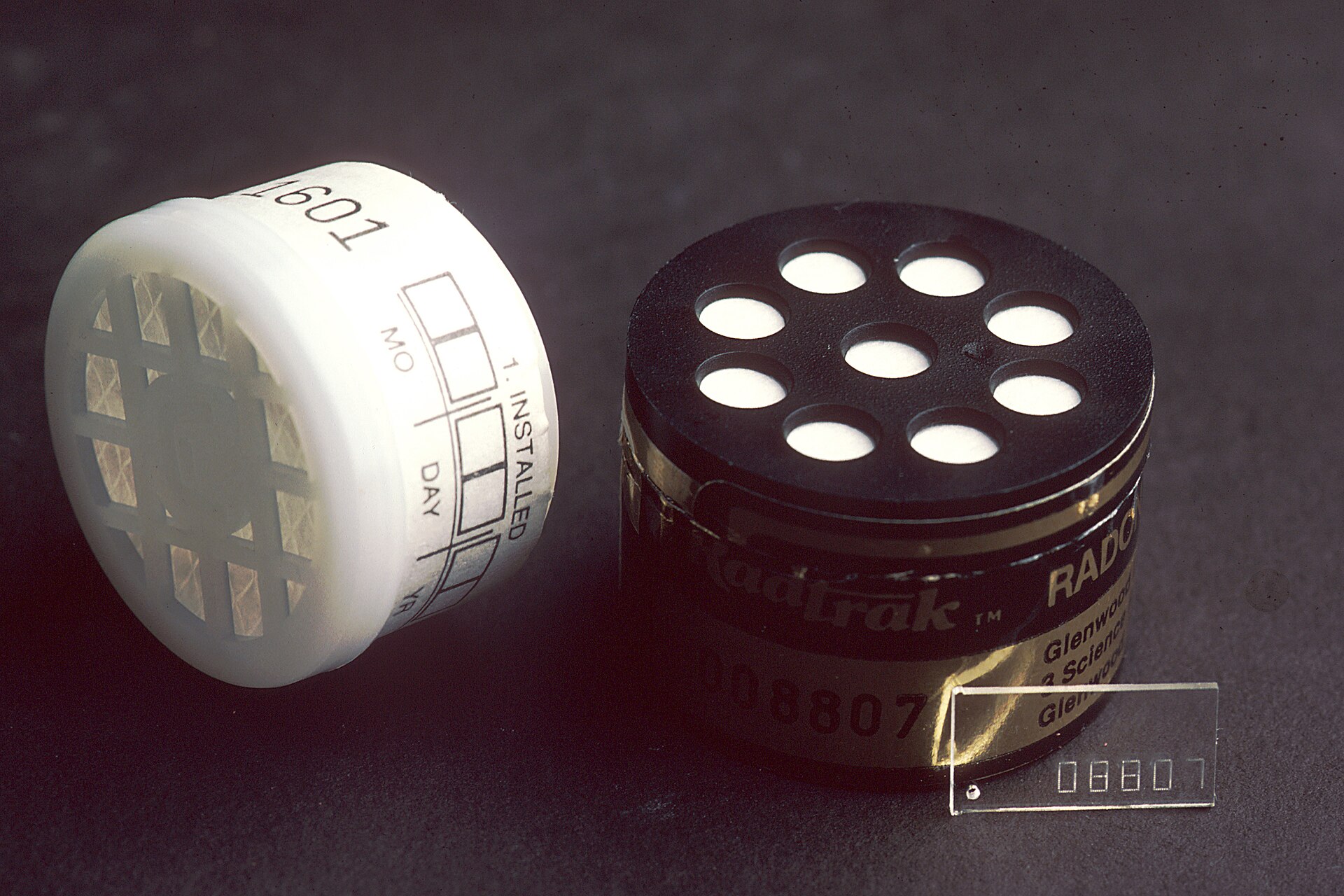
- Replace furnace filters on the schedule the maker recommends.
- Use the range hood when cooking, and check it vents outside rather than recirculating.
- Run bathroom fans during showers and for a while after.
- Consider a heat recovery ventilator (HRV) if the house feels stuffy in winter.
- Choose low-VOC paints and finishes when you renovate.
- Install carbon monoxide alarms near sleeping areas if you have any fuel-burning appliance or attached garage. They are required in Ontario homes with these.
Test for radon
Radon is a natural radioactive gas that can seep into homes through the foundation. You cannot see or smell it. Levels vary from house to house, even on the same street, and it is found in homes across Ontario.
Health Canada recommends testing every home with a long-term test, ideally over the fall and winter. Kits are inexpensive. If levels are high, a certified radon mitigation professional can install a system that vents the gas outside.
Bungalow tip: If you use the basement as a bedroom, office or rental suite, test there. That is where people spend the most time closest to the source.
2. Humidity, dampness and mould
Ontario homes swing from dry in winter to humid in summer. Bungalow basements are prone to dampness, especially in older homes.
| Sign | Possible cause | What to do |
|---|---|---|
| Musty basement smell | High humidity or a hidden leak | Run a dehumidifier, check grading and gutters |
| Condensation on windows in winter | Too much indoor humidity, weak ventilation | Use bath and kitchen fans, consider an HRV |
| Dry skin and static in winter | Very low humidity | Use a humidifier and keep it clean |
| Stains or white crust on foundation walls | Water getting through | Fix drainage, call a waterproofing contractor |
A simple hygrometer shows your humidity level. Check that your downspouts direct water well away from the house, and that your sump pump works, if you have one.
3. Water quality
On municipal water, quality is regularly tested by your city. Some older homes may still have lead water service pipes or lead solder in older plumbing. Your municipality can tell you how to check and whether testing or replacement programs are available.
If you buy a rural bungalow with a well, test the water regularly. Public health units in Ontario offer bacteria testing for private wells. Ask the seller for recent results and the well’s records.
4. Materials to check in older bungalows
Many GTA bungalows were built decades ago. Some may contain materials that are safe left alone but need care during renovation.
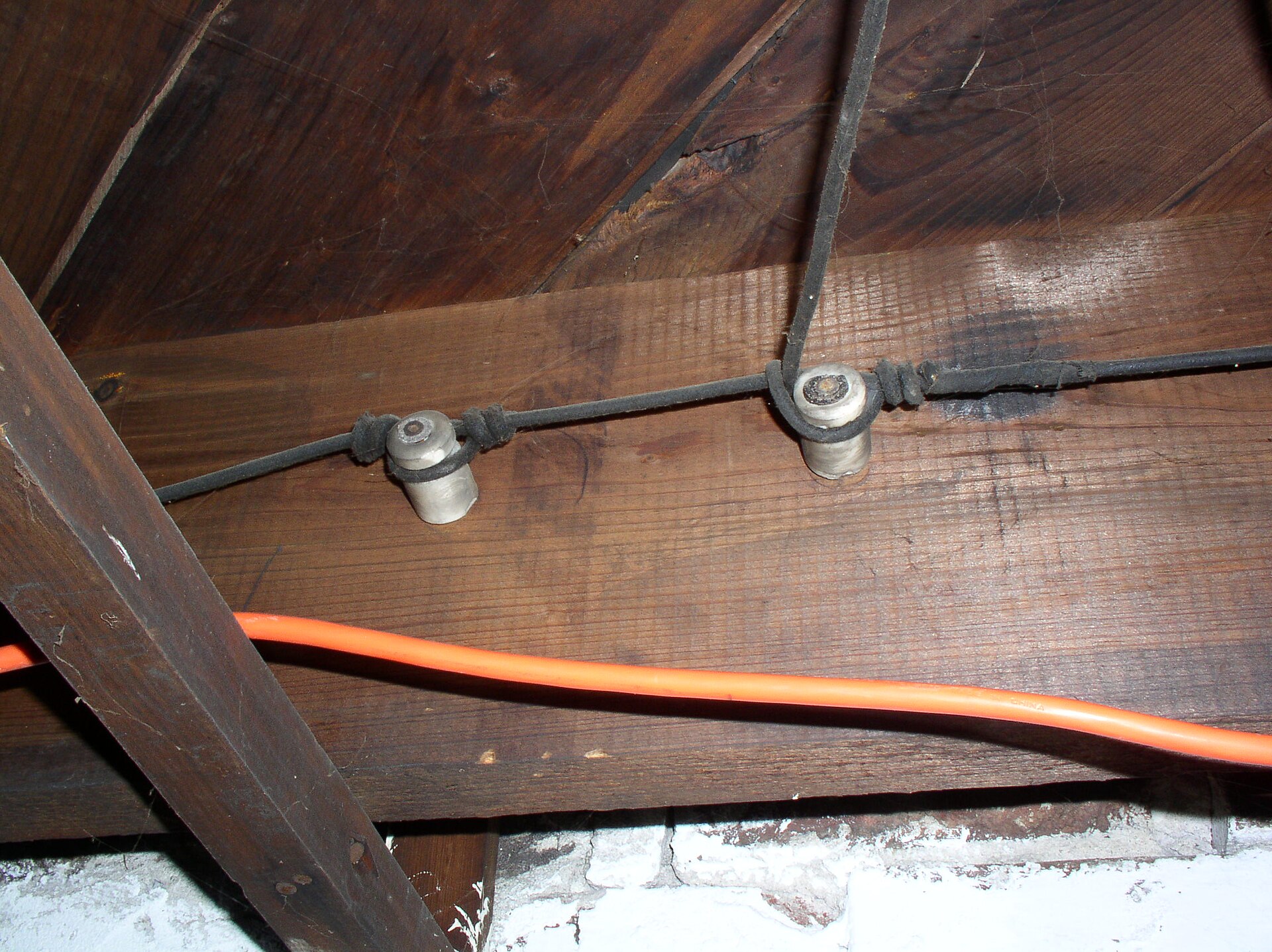
- Vermiculite attic insulation, which may contain asbestos.
- Older plaster, tile, pipe wrap or flooring that could contain asbestos.
- Lead-based paint under newer layers.
- Older wiring, such as knob-and-tube, which can affect safety and insurance.
Do not sand, cut or remove suspect materials yourself. Hire qualified professionals to test and handle them. A good home inspection will flag many of these issues; see our post on how home inspections affect a bungalow deal.
5. Light, noise and fall safety
Daylight and a calm home support well-being. Open window coverings during the day and use warmer lighting in the evening. Heavy curtains and soft furnishings reduce street noise.
For safety, keep floors clear, add lighting to entries and hallways, and install grab bars in the bathroom. Our guide on accessible bungalow features covers bigger upgrades.
Healthy home questions for buyers
- Has the home been tested for radon? What were the results?
- Has the basement ever leaked or flooded?
- When were the furnace filters, HVAC and water heater last serviced?
- Is there any known vermiculite, asbestos or old wiring?
- For rural homes: when was the well water last tested?
Frequently asked questions
How do I test my bungalow for radon?
Buy a long-term radon test kit or hire a certified radon measurement professional. Health Canada recommends a long-term test lasting several months, ideally during the heating season.
What humidity level is best for a home?
Aim for a moderate level that avoids both condensation and very dry air. A hygrometer and the advice of an HVAC contractor can help you find the right range for your home.
Are older bungalows unhealthy?
Not necessarily. Many are solid homes. Some have older materials or ventilation that need checking, which a home inspection and targeted testing can address.
The bottom line on a healthy bungalow
A healthy home comes down to clean air, controlled moisture, safe water and a safe layout. Bungalows already do well on layout. Testing and a few smart upgrades handle the rest.
The newest bungalows on the market
Fresh listings, updated every 15 minutes.
 $349,900109 Powerview Avenue, St. Catharines3 bed · 1 bath · 458 - Western HillCourtesy of ROYAL LEPAGE NRC REALTY
 $999,00022 Avondale Crescent, Aurora4 bed · 3 bath · Aurora VillageCourtesy of RE/MAX HALLMARK REALTY LTD.
 $819,9002409 Whaley Drive, Mississauga3 bed · 2 bath · CooksvilleCourtesy of SUTTON GROUP - SUMMIT REALTY INC.
 $839,900145 Emma Street, Guelph3 bed · 2 bath · General HospitalCourtesy of Royal LePage Royal City Realty
 $829,90019 Palton Avenue, Kanata3 bed · 2 bath · 9008 - Kanata - Morgan's Grant/South MarchCourtesy of ROYAL LEPAGE TEAM REALTY
 $825,000353 County 25 Road, Greater Napanee3 bed · 2 bath · 58 - Greater NapaneeCourtesy of RE/MAX HALLMARK FIRST GROUP REALTY LTD. , BROKERAGE