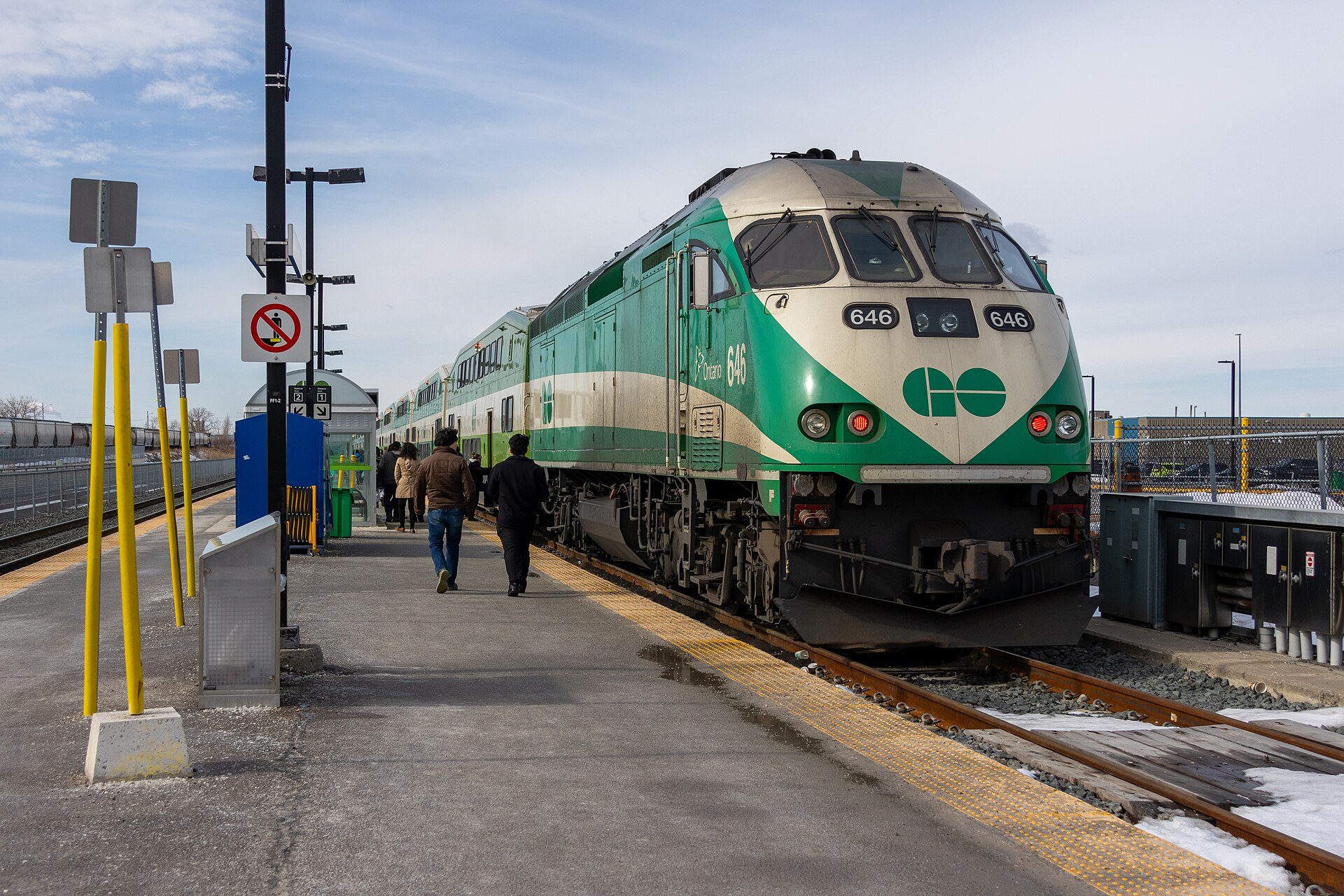
Living near a GO station or transit hub can cut your commute, reduce your need for a second car and widen your buyer pool when you sell. The best spot is usually a short walk or drive from the station, close enough for convenience but far enough to avoid train horns, parking traffic and crowds. A bungalow in that sweet spot can suit commuters, downsizers and families alike.
Key takeaways
- Homes near GO stations and subway stops appeal to commuters and renters.
- A short walk away is often better than right beside the tracks or parking lot.
- Check noise, parking, schedules and future station plans before you buy.
- Transit access can help one-car households and downsizers who drive less.
What counts as a transportation hub?
In the GTA, the main transit hubs bungalow buyers look at are:
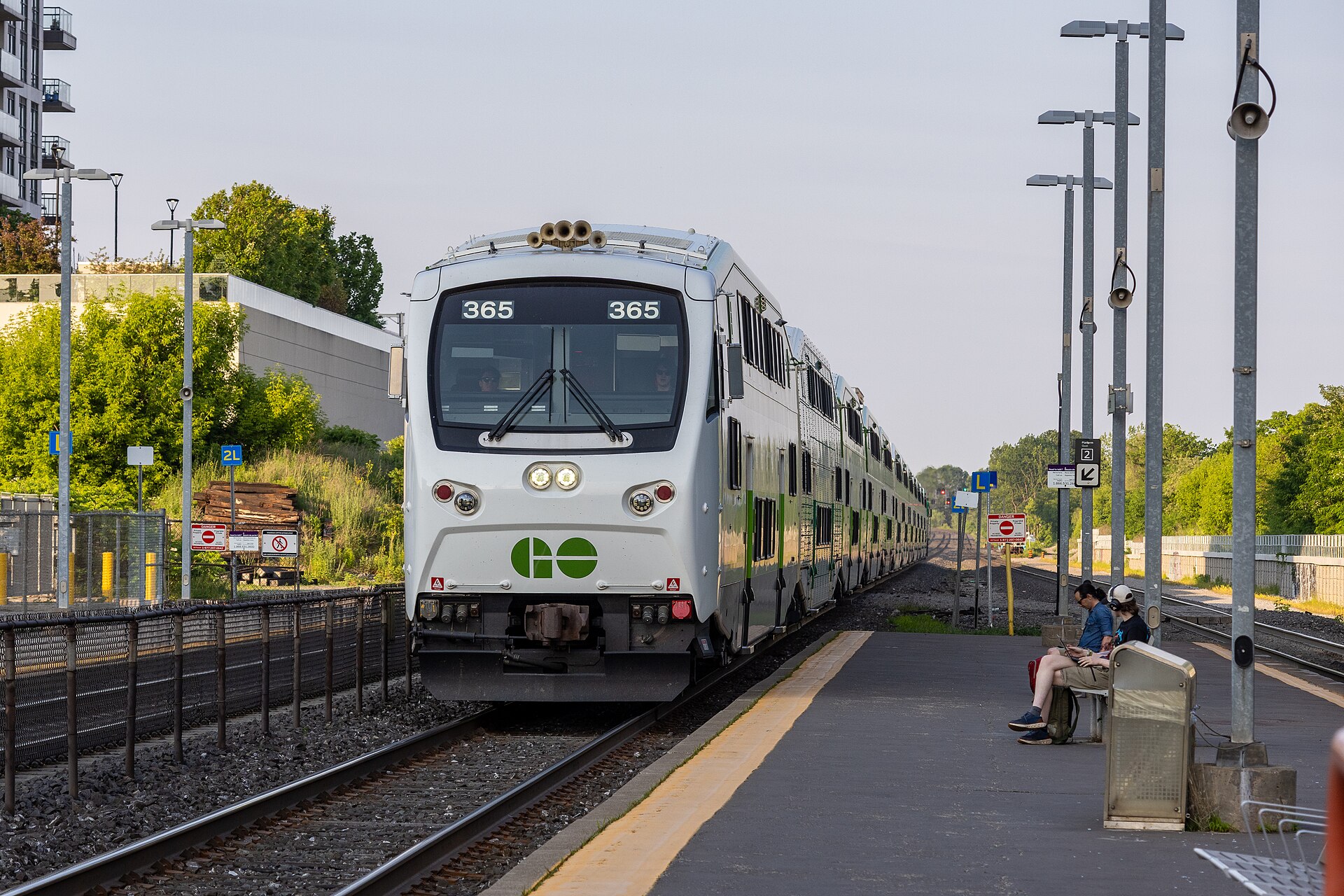
- GO train stations on lines like Lakeshore West, Lakeshore East, Milton, Kitchener, Barrie, Stouffville and Richmond Hill.
- TTC subway stations, including Line 1 stations in Vaughan and North York.
- Major bus terminals and rapid-transit stops, like Viva in York Region or Züm in Brampton.
- Mobility hubs where several services connect, such as Union, Kipling or Kennedy.
The pros of living near a GO station
Shorter, more predictable commutes
A train ride avoids highway traffic and gives you time to read or work. For daily commuters, that can add up to hours saved each week.
Lower transportation costs
Many households near a station can drop to one car. That saves on insurance, fuel, parking and maintenance.
Appeal to future buyers and renters
Commuters, students and downsizers often look for homes near transit. If you add a basement suite, transit access can also help attract tenants. See bungalows with a separate entrance if that’s part of your plan.
Independence as you age
If driving becomes harder later, a nearby station keeps you connected to shopping, appointments and family.
The cons to watch for
- Noise: train horns, bells at crossings and station announcements.
- Traffic: busy roads around the station at rush hour.
- Parking pressure: commuters may park on nearby streets if lots fill up.
- Construction: station upgrades and track work can last for years.
- Schedules: some lines run less often outside rush hour or on weekends.
How close is too close?
| Distance from station | Typical experience |
|---|---|
| Directly beside tracks or lot | Most convenient, but noise and traffic are hardest to avoid |
| A short walk away | Often the sweet spot: walkable and quieter |
| A short drive away | Quiet streets, but you’ll rely on station parking or drop-offs |
| Farther out | More space and lower prices, longer total commute |
Visit a home at rush hour and in the evening to hear what it’s really like. Listen from the backyard and the main bedroom.
Bungalow tip: Check the station’s parking situation. Some GO lots fill early on weekdays. If you plan to drive to the station, find out how early you’d need to arrive, or whether there’s a local bus that connects to your street.
GTA areas with bungalows near transit
Many established bungalow neighbourhoods are close to GO or subway service:
- Mississauga: Port Credit, Clarkson and Cooksville on GO lines. Browse Mississauga homes.
- Brampton: older neighbourhoods near the Bramalea and Brampton GO stations.
- Vaughan: Maple and Rutherford GO, plus subway access at Vaughan Metropolitan Centre.
- Etobicoke and Scarborough: bungalow streets near Line 2 subway stations and GO.
- Durham: Pickering, Ajax, Whitby and Oshawa stations on the Lakeshore East line. See Durham Region homes.
- Milton and Georgetown: Milton and Kitchener lines serve these communities.
Who benefits most from living near transit?
Living near a station isn’t equally valuable for everyone. It tends to suit:
- Daily downtown commuters, who save the most time.
- Households with one car, or who want to get there.
- Downsizers planning for a time when they drive less.
- Students and young adults living at home while they study or start work.
- Investors who rent a basement suite to tenants without cars.
If you work locally, drive for your job or rarely head downtown, a quieter street farther from the station may give you more space and value for your budget. Be honest about how often you’ll actually use the train. A station you never ride is just a source of traffic.
What to check before you buy near a transit hub
- Walk the route from the home to the station and time it.
- Check train or subway schedules for the times you’ll travel.
- Look for planned station upgrades or new service.
- Note street parking rules and whether commuters park nearby.
- Compare prices of similar homes farther from the station.
Our guide on transportation and home prices explains how buyers weigh access against noise. For more on walkable neighbourhoods, see how to evaluate walkability.
Frequently asked questions
Is it good to live near a GO station?
For many people, yes. It can shorten commutes and lower car costs. The trade-offs are possible noise, traffic and parking pressure, so check the specific street.
Do homes near GO stations sell for more?
They often attract steady demand from commuters. Homes right beside the tracks may not benefit as much because of noise.
How far should I live from a train station?
Many buyers prefer a short walk away. That keeps the station convenient while reducing noise and traffic near the home.
The bottom line
Living near a GO station or transit hub can make daily life easier and help when it’s time to sell. Aim for a quiet street within easy reach, and test it at the times you’d actually travel.
Set up listing alerts for bungalows near the stations on your line.
Bungalows for sale in Brampton, Vaughan and Milton
Live listings from the places in this article.
 $969,000375 Bartley Bull Parkway, Brampton3+1 bed · 2 bath · Bram EastCourtesy of CENTURY 21 MILLENNIUM INC.
 $789,000173 Fairhill Avenue, Brampton2+2 bed · 3 bath · Fletcher's MeadowCourtesy of CENTURY 21 MILLENNIUM INC.
 $979,900114 Beechnut Road, Vaughan3 bed · 3 bath · West WoodbridgeCourtesy of ROYAL LEPAGE MAXIMUM REALTY
 $1,589,0008 Hillside Avenue, Vaughan3+1 bed · 2 bath · ConcordCourtesy of REMAX YOUR COMMUNITY REALTY
 $1,199,0008749 Tremaine Road, Milton3+2 bed · 3 bath · 1034 - MN Milton NorthCourtesy of WOLF REALTY INC.
 $2,750,0001013 Lower Base Line, Milton3 bed · 1 bath · 1044 - TR Rural TrafalgarCourtesy of ROYAL LEPAGE MAXIMUM REALTY