To evaluate walkability, look at what you can reach on foot from the home, and how safe and pleasant that walk is. Check distances to groceries, transit, parks, schools and healthcare, then walk the routes yourself at different times of day. Online scores are a useful start, but sidewalks, crossings, lighting and hills tell you what a walk really feels like.
Key takeaways
- Walkability is about both distance to daily needs and the quality of the walk.
- Online walk scores are a starting point, not the full picture.
- Walk the routes yourself, ideally in winter and after dark too.
- Walkable areas help you stay independent as you age, which suits bungalow living.
Why walkability matters for bungalow buyers
Bungalows already make life easier inside the home, with no stairs between rooms. A walkable neighbourhood does the same thing outside.
Walkability can help you:
- Drive less, saving on fuel, parking and maybe a second car.
- Stay active with daily walks to shops and parks.
- Age in place, keeping your independence if you stop driving.
- Connect with neighbours, since you see more people on foot.
- Appeal to future buyers, many of whom look for walkable areas.
What makes a neighbourhood walkable?
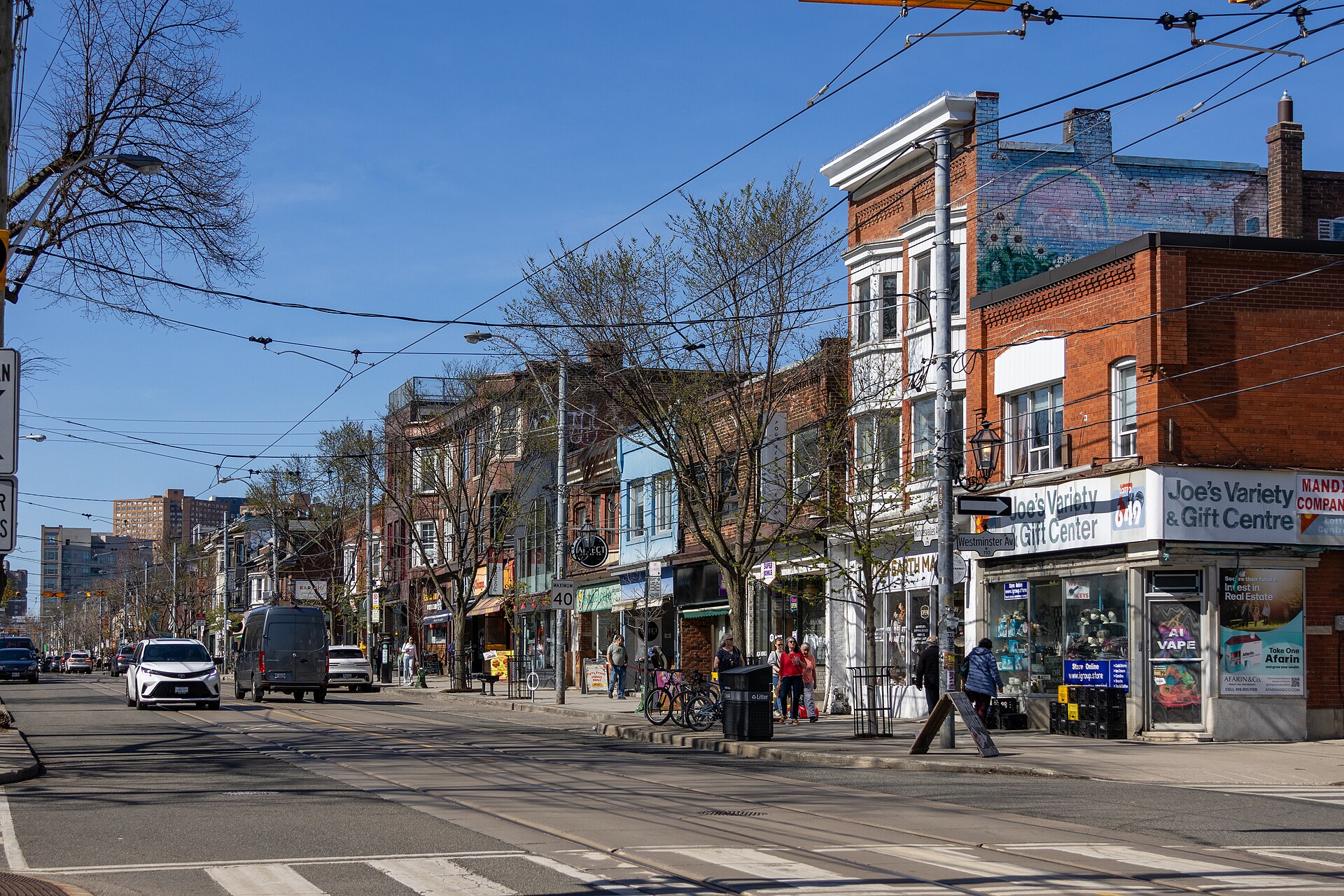
Destinations within reach
The core question is what you can get to on foot. Common daily needs include:
- A grocery store or market.
- A pharmacy and medical clinic.
- Transit stops or stations.
- Parks, trails and community centres.
- Schools and childcare.
- Cafés, restaurants and local shops.
- A library or place of worship.
Quality of the walk
Distance isn’t everything. A short walk along a busy road with no sidewalk can feel worse than a longer walk through a park. Look for:
- Continuous sidewalks on both sides of the street.
- Safe crossings with signals at busy roads.
- Good lighting for evening walks.
- Shade from street trees in summer.
- Gentle grades, without steep hills or long stairs.
- Snow clearing on sidewalks in winter.
How to evaluate walkability, step by step
- Start online. Use map apps to see what’s near the home and how long it takes to walk there.
- Check walk score tools for a quick comparison between homes.
- Walk the key routes from the front door to groceries, transit and the nearest park.
- Go at different times: a weekday morning, a weekend afternoon and after dark.
- Visit in winter if you can to see how sidewalks are cleared.
- Talk to neighbours about how they get around.
Bungalow tip: Time your walk to the places you’ll go most, not just the closest ones. If you shop at a particular grocery store or attend a specific place of worship, walk to that, too.
A simple walkability scoring checklist
Use this table to compare homes. Give each item a score from 1 (poor) to 3 (great).
| Factor | What to look for | Score (1–3) |
|---|---|---|
| Groceries | A full grocery store within an easy walk | |
| Transit | Frequent bus, GO or subway service nearby | |
| Parks and trails | Green space close to home | |
| Healthcare | Pharmacy and clinic within reach | |
| Sidewalks | Continuous, well kept, cleared in winter | |
| Crossings | Signals and crosswalks at busy roads | |
| Lighting | Well-lit streets for evening walks | |
| Feel | Pleasant, safe-feeling, people out walking |
Add up the scores for each home on your list. The totals make it easier to compare options side by side, along with price and size. Our compare homes tool can help you track each property.
Walkability across the GTA
Walkability varies widely by area:
- Older Toronto neighbourhoods are often very walkable, with main streets close to bungalow side streets.
- Inner suburbs like Etobicoke, North York and Scarborough mix walkable pockets with car-oriented areas.
- 905 suburbs tend to be more car-focused, though many town centres and older villages, like Port Credit, Streetsville, Unionville or downtown Oakville, are walkable.
- Small towns often have a walkable main street, with homes close by.
If you’re buying near a station, our guide to living near a GO station covers that trade-off in detail.
Walkability red flags to watch for
Some problems are easy to miss on a quick visit:
- Sidewalks that end partway down the street.
- A highway, rail line or ravine that blocks a direct route, forcing a long detour.
- Main-road crossings with no signal for a long stretch.
- Plazas designed for cars, with large parking lots and no walkways.
- Steep driveways or hills that get icy in winter.
None of these are deal-breakers on their own. But if you’re counting on walking for daily errands, they can turn a short trip on a map into a long one in real life.
Walkability and home value
Many buyers will pay more for a home close to shops, parks and transit, especially in established areas. That said, homes right on busy commercial streets can face noise and traffic.
The sweet spot is often a quiet residential street a short walk from a main street. Our post on location and property value explains why.
Frequently asked questions
What is a good walk score?
Higher is generally better, but the number is only a guide. Always check the actual walk, including sidewalks, crossings and lighting.
Are bungalows in walkable areas more expensive?
Often, since walkable neighbourhoods are in demand. Prices still depend on lot size, condition and the specific street.
How do I check walkability in winter?
Visit during or after a snowfall if you can, and ask neighbours how quickly sidewalks are cleared. Some municipalities clear residential sidewalks, while others leave it to homeowners.
The bottom line
Walkability makes daily life easier, healthier and more connected, and it pairs naturally with one-level bungalow living. Don’t rely on a score alone: walk the routes yourself.
When you find a neighbourhood that passes the test, browse bungalows for sale there and set up alerts for new listings.
Bungalows for sale in Toronto right now
Live listings from the area this article covers.
 $1,500,00097 Estelle Avenue, Toronto3+4 bed · 7 bath · Willowdale EastCourtesy of RE/MAX REALTRON REALTY INC.
 $699,0007 Twenty Second Street, Toronto3+3 bed · 3 bath · Long BranchCourtesy of RE/MAX PREMIER INC.
 $945,000257 John Tabor Trail E, Toronto3+2 bed · 2 bath · MalvernCourtesy of RE/MAX ATRIUM HOME REALTY
 $1,145,000109 Gulliver Road, Toronto4 bed · 3 bath · Brookhaven-AmesburyCourtesy of RE/MAX REALTY SPECIALISTS INC.
 $1,398,80074 Navaho Drive, Toronto3+4 bed · 3 bath · Pleasant ViewCourtesy of HOMELIFE LANDMARK REALTY INC.
 $2,990,00061 Highland Crescent, Toronto2+1 bed · 2 bath · Bridle Path-Sunnybrook-York MillsCourtesy of RE/MAX REALTRON BARRY COHEN HOMES INC.