In Ontario, a landlord can enter a rented unit only for allowed reasons and usually only after giving the tenant proper written notice, except in emergencies. In a bungalow with a basement suite, access gets trickier because the landlord and tenant may share entrances, laundry or a yard. This guide explains the basics and the risks to manage on both sides.
Key takeaways
- Ontario’s Residential Tenancies Act sets the rules for when and how a landlord can enter a unit.
- Written notice is the norm, with exceptions for emergencies and certain agreed situations.
- Shared spaces in two-unit bungalows should be spelled out clearly in the lease.
- Landlords need the right insurance and a legal, permitted unit to manage risk.
Who has the right to access a rented bungalow unit?
Once a tenant moves in, the unit is their home. The landlord still owns the property but gives up the right to come and go freely. This applies whether you rent the whole bungalow, the main floor or a basement apartment.
The Residential Tenancies Act (RTA) sets out when a landlord may enter. It also sets a minimum amount of notice and the hours of the day when entry is allowed. Because the details matter, check the current rules on the Landlord and Tenant Board’s website or with a paralegal or lawyer.
Common reasons a landlord may enter with notice
- To make repairs or do maintenance work
- To inspect the unit’s condition
- To show the unit to a potential buyer, insurer or lender
- To let a contractor or inspector assess the property
When notice isn’t required
In an emergency, like a fire or burst pipe, a landlord can enter without notice. There are also limited cases, such as when the tenant agrees at the time, or when showing a unit to new renters after notice to end the tenancy. Our post on tenancy law basics for tenants covers related rights.
Shared spaces in two-unit bungalows
Many GTA bungalows have a main-floor unit and a basement unit. Ontario’s More Homes Built Faster Act allows up to three units on most serviced urban lots, so these setups are becoming more common.
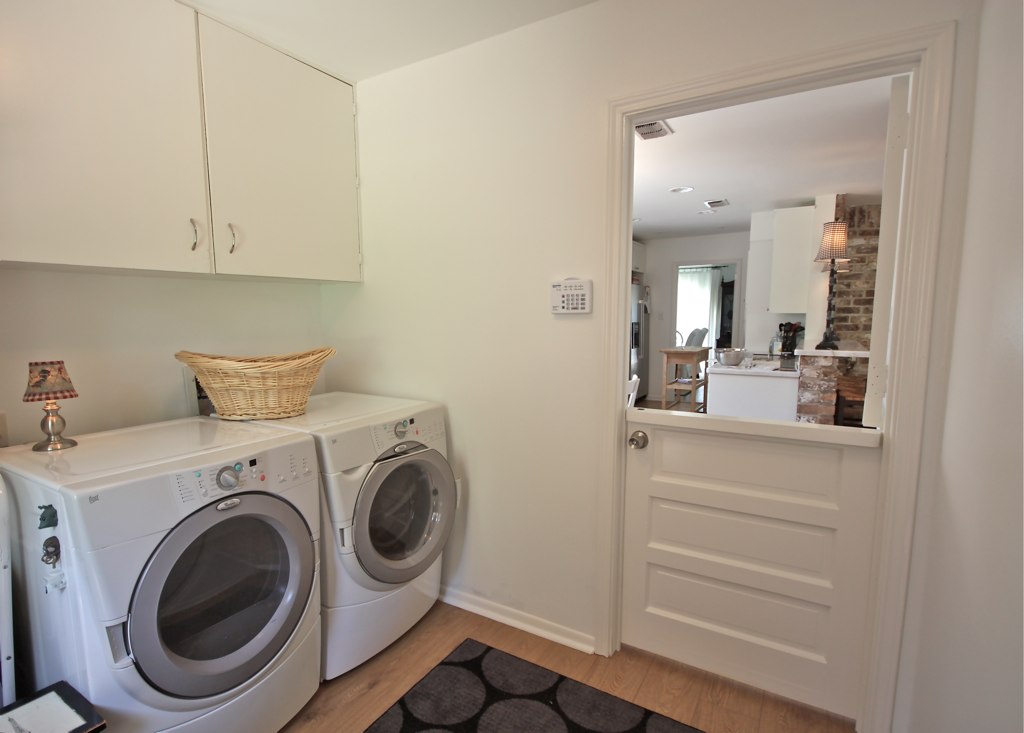
Shared spaces are where most disputes start. Spell out each one in the lease before anyone moves in.
| Shared element | What to agree on | Common risk |
|---|---|---|
| Entrance | Who uses which door, and when | Privacy complaints, security concerns |
| Laundry room | Schedule and who pays for repairs | Scheduling conflicts |
| Backyard | Shared, split or reserved for one unit | Noise and use disputes |
| Driveway and parking | Number of spots and snow clearing | Blocked cars in winter |
| Furnace and utility room | Landlord access for servicing | Entry without notice |
Bungalow tip: If the furnace or electrical panel is inside the tenant’s unit, plan regular service visits well ahead and give notice every time. Better yet, design the suite so key equipment sits in a shared or landlord-controlled room.
Risks landlords should manage
Legal and permit risk
A second unit should be legal. That means a building permit, fire separation, proper egress windows and a compliant entrance. Brampton and many other GTA cities also register second units. An unpermitted suite can create problems with insurance, safety and resale.
Insurance risk
A regular homeowner’s policy may not cover a rental suite. Tell your insurance broker about the unit and ask about landlord coverage and liability limits. Ask tenants to carry their own tenant insurance too.
Relationship risk
Living above your tenant can blur lines. Keep communication in writing, respond to repairs quickly and respect the tenant’s privacy, even when you’re just downstairs.
Rights and risks for tenants
Tenants in bungalow units have the same core rights as any renter in Ontario. You have a right to reasonable enjoyment of your home, proper notice before entry, and repairs that keep the unit in good condition.
Before you sign, ask these questions:
- Is this unit a legal, permitted second unit?
- Which spaces are shared, and on what schedule?
- Who controls the thermostat for your unit?
- How do you request repairs, and how fast are they handled?
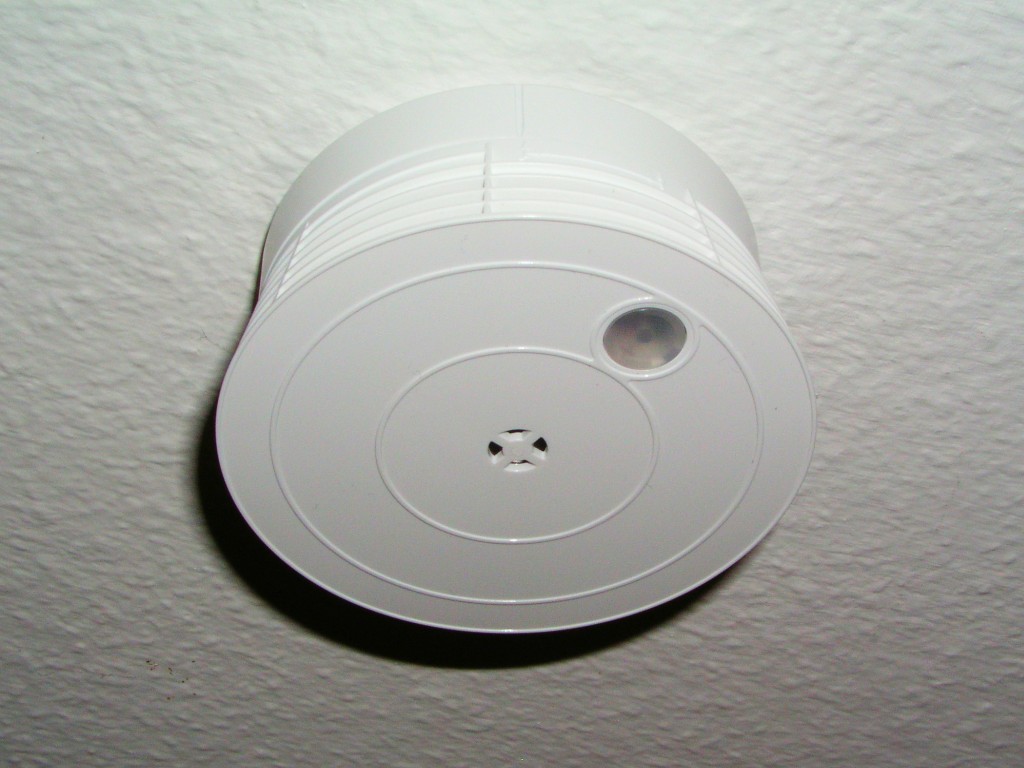
- Is there a working smoke alarm and carbon monoxide alarm in the unit?
Buying a bungalow with a rental unit
If you’re shopping for a home with income potential, look closely at the layout. A separate entrance, separate laundry and separate heating controls make access issues much easier. Browse bungalows with a separate entrance or investor-friendly bungalows to compare options.
If the home comes with an existing tenant, you inherit that tenancy. Have your real estate lawyer review the lease and rent details before you firm up.
Frequently asked questions
Can my landlord enter my basement apartment without telling me?
Generally, only in an emergency or in limited situations allowed by the Residential Tenancies Act. In most cases, your landlord must give written notice first.
Can a landlord change the locks on a shared entrance?
A landlord generally can’t change locks on a tenant’s entrance without giving the tenant a new key. Contact the Landlord and Tenant Board or a paralegal if this happens.
Does a landlord need special insurance for a basement unit?
Usually, yes. Standard home policies may not cover rental units, so talk to an insurance broker about proper landlord coverage.
Respecting access on both sides
Clear rules, written agreements and a legal unit prevent most access problems in bungalow rentals. When both sides know their rights, sharing a home is much easier.
This article is general information. For specific situations, speak with a paralegal or real estate lawyer who handles residential tenancies.
The newest bungalows on the market
Fresh listings, updated every 15 minutes.
 $525,00041 Fox Trail Drive, St. Catharines3 bed · 2 bath · 462 - Rykert/VansickleCourtesy of RE/MAX NIAGARA REALTY LTD, BROKERAGE
 $459,9001737 2nd Street W, Cornwall3+1 bed · 2 bath · 717 - CornwallCourtesy of RE/MAX AFFILIATES MARQUIS LTD.
 $938,00052 Devins Drive, Aurora3 bed · 2 bath · Aurora HeightsCourtesy of REAL ONE REALTY INC.
 $349,900109 Powerview Avenue, St. Catharines3 bed · 1 bath · 458 - Western HillCourtesy of ROYAL LEPAGE NRC REALTY
 $999,00022 Avondale Crescent, Aurora4 bed · 3 bath · Aurora VillageCourtesy of RE/MAX HALLMARK REALTY LTD.
 $819,9002409 Whaley Drive, Mississauga3 bed · 2 bath · CooksvilleCourtesy of SUTTON GROUP - SUMMIT REALTY INC.