
Is it a seller’s market? Across the GTA as a whole, not quite. As of August 2026, the market was moving toward balance, with lower sales and prices than a year earlier but tightening supply. Bungalows can still sell strongly in areas where few are listed, so the answer for your home depends on your street, your price range and your home’s condition.
Key takeaways
- The overall GTA market was moving toward balance as of August 2026.
- Fewer new listings mean less competition for well-prepared homes.
- Bungalows often draw several buyer groups, which can support demand.
- Your local sold data matters more than regional averages.
What the latest numbers say
Here’s how the GTA looked in August 2026, according to TRREB:
| Measure | August 2026 | Change from a year earlier |
|---|---|---|
| Sales | 5,057 | Down 2.1% |
| New listings | 12,075 | Down 14.1% |
| Active listings | 24,482 | Down 11.3% |
| Average price | $993,410 | Down 2.7% |
| Average days on market | 51 | n/a |
The median price was $850,000, and the MLS HPI composite benchmark was down 4.5% year over year. Prices are a little lower than last year, but new listings dropped much faster than sales. That’s why the market is described as moving toward balance with tightening supply, rather than as a buyer’s market.
Meanwhile, the Bank of Canada held its policy rate at 2.25% on September 2, 2026, its seventh straight hold. Its next decision is October 28, 2026. Steady rates help buyers plan, though many are still cautious.
Seller’s, buyer’s and balanced markets explained
- Seller’s market: more buyers than homes. Homes sell fast, often with multiple offers and few conditions.
- Buyer’s market: more homes than buyers. Homes sit longer, and buyers negotiate harder on price and conditions.
- Balanced market: neither side has a big edge. Well-priced homes sell in a reasonable time, and conditions are common.
One quick gauge is how many homes sell compared with how many are listed. In August 2026, the GTA saw roughly two sales for every five new listings. At August’s sales pace, active listings represented about five months of supply.
Why bungalows don’t always follow the averages
Bungalows are a smaller slice of the market, and few new detached bungalows are built in the core GTA. They also appeal to several kinds of buyers at once:
- Downsizers who want one-level living
- Families who want a yard and a basement
- Multigenerational households
- Investors seeking a legal second unit
- Builders looking for lots to rebuild on
When a well-kept bungalow comes up in an area with few listings, it can draw strong interest even in a balanced market. A bungalow that needs major work, or is priced above recent sales, may sit longer.
Bungalow tip: Ask your agent how many bungalows, not all homes, sold in your neighbourhood in recent months and how long they took. Style-specific data gives you a far clearer picture.
How to read your own local market
- Look at recent sold prices for similar bungalows nearby, not asking prices.
- Check days on market for those sales.
- Count competing listings in your style and price range today.
- Watch price changes on active listings, which signal buyer resistance.
- Note sale-to-list results, meaning whether homes sold above or below asking.
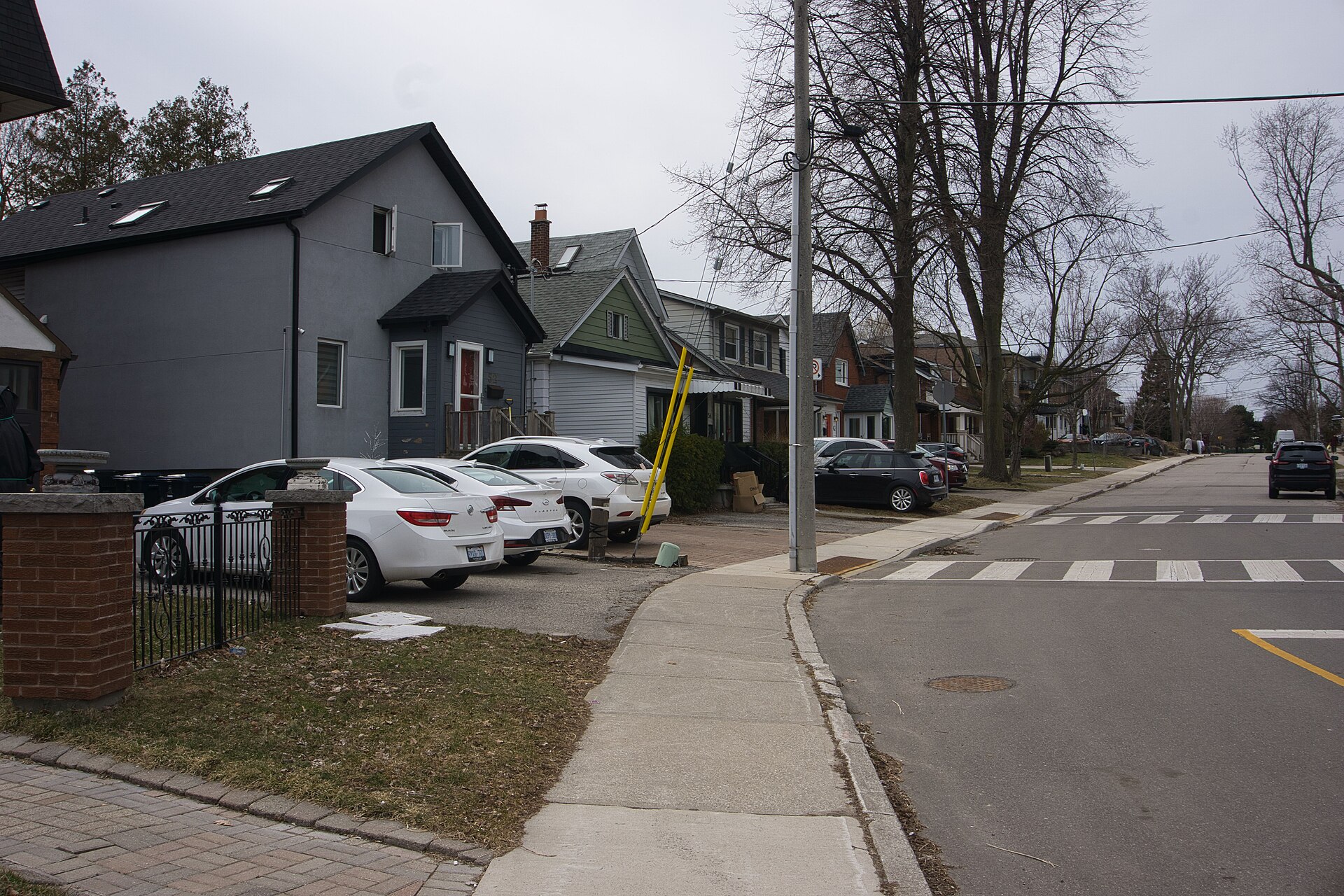
Our recent sold listings page is a good place to start. For a wider view of the province, read our Ontario bungalow market update.
Selling strategy for each type of market
| Your local market | Pricing | Offer approach | Preparation |
|---|---|---|---|
| Seller’s | Slightly under or at market | Offer date can work well | Clean, declutter, quick fixes |
| Balanced | At market, backed by sales data | Offers any time is often best | Repairs, staging, strong marketing |
| Buyer’s | Sharp, competitive pricing | Be open to conditions | Pre-listing inspection, full presentation |
For practical steps, see our guide on how to sell your house for top dollar.
What sellers can control in any market
You can’t control interest rates or regional prices. You can control how your bungalow meets the market. Focus on these:
- Price: set it from recent sales of similar bungalows, not from last year’s peak.
- Condition: fix what an inspector will flag, and service the furnace and air conditioner.
- Presentation: stage the main floor and the basement, and invest in professional photos and a floor plan.
- Paperwork: have permits, upgrade dates and any second unit registration ready for buyers.
- Flexibility: an accommodating closing date can attract more offers.
Learn how to show off a one-level home in our guide to bungalow home staging.
Frequently asked questions
Is now a good time to sell a bungalow?
It can be, especially with fewer new listings competing for buyers. The best timing depends on your next move, your home’s condition and local demand.
Will prices go up if I wait?
No one can predict that reliably. Base your decision on your plans and finances rather than trying to time the market.
Should I still use an offer date in 2026?
Only if your local bungalow market shows strong demand. In many areas, listing at market value and reviewing offers any time works better.
Do bungalows sell faster than other homes?
Sometimes, because they appeal to several buyer groups and supply is limited. Price and condition still decide how quickly any home sells.
The bottom line
The GTA as a whole isn’t a strong seller’s market in 2026, but supply is tightening and well-prepared bungalows still attract real interest. Your local numbers matter most.
Start with a free home evaluation to see where your bungalow stands, then plan your pricing and timing with confidence.