Buying an existing bungalow is usually faster, simpler and more predictable, while building one gives you a home designed around your needs but with more cost risk and a longer timeline. In the GTA, land is the biggest hurdle, so building tends to make the most sense when you already own a suitable lot or are buying a teardown. Here’s how to compare the two.
Key takeaways
- Buying gets you in quickly with known costs; building takes longer and carries more uncertainty.
- Building costs include land, design, permits, development charges and construction.
- Construction financing is paid out in stages, and lenders want a detailed budget.
- Get firm quotes before you decide; costs vary widely by site and design.
The cost of buying a bungalow
When you buy, the price is known up front. Your main costs are:
- The purchase price and down payment
- Land transfer tax, plus Toronto’s municipal tax if the home is in the city
- Legal fees, title insurance, inspection and appraisal
- Any renovations to make the home fit your needs
A common rule of thumb is to budget 1.5% to 4% of the price for closing costs. See our guide to Ontario land transfer tax for exact figures.
The cost of building a bungalow
Building involves more line items, and many depend on your site:
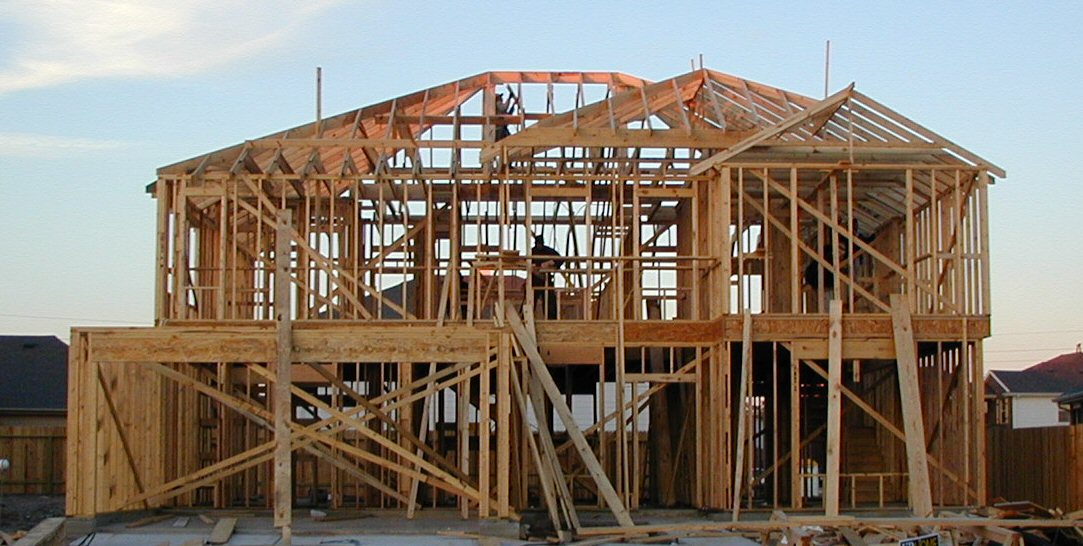
- Land: buying a lot, or a teardown, is often the largest single cost in the GTA.
- Design: architect or designer, engineering and surveys.
- Approvals: building permits, development charges and possibly minor variances.
- Site work: demolition, excavation, servicing connections, tree protection.
- Construction: foundation, framing, roof, mechanicals and finishes.
- Soft costs: insurance, construction loan interest and project management.
- Contingency: a buffer for surprises, which are common.
Because every lot and design is different, we won’t quote a per-square-foot cost. Get detailed quotes from at least three builders, plus an estimate for permits and charges from your municipality.
Build vs buy: side-by-side
| Factor | Buy existing | Build new |
|---|---|---|
| Timeline | Weeks to a few months | Often a year or more, including design and permits |
| Cost certainty | High | Lower; overruns are common |
| Customization | Limited without renovating | Full control over layout and finishes |
| Energy efficiency | Varies with age and upgrades | Built to current code from the start |
| Accessibility | Retrofit needed in many cases | Designed in from day one |
| Financing | Standard mortgage | Construction mortgage paid in draws |
| Warranty | None on resale | New-home warranty when built by a registered builder |
| Stress level | Lower | Higher; many decisions and site visits |
How financing differs when you build
A standard mortgage pays the seller in one lump sum on closing. A construction mortgage pays out in stages, called draws, as work is completed and inspected. You may need to cover early costs, like land and design, from your own funds.
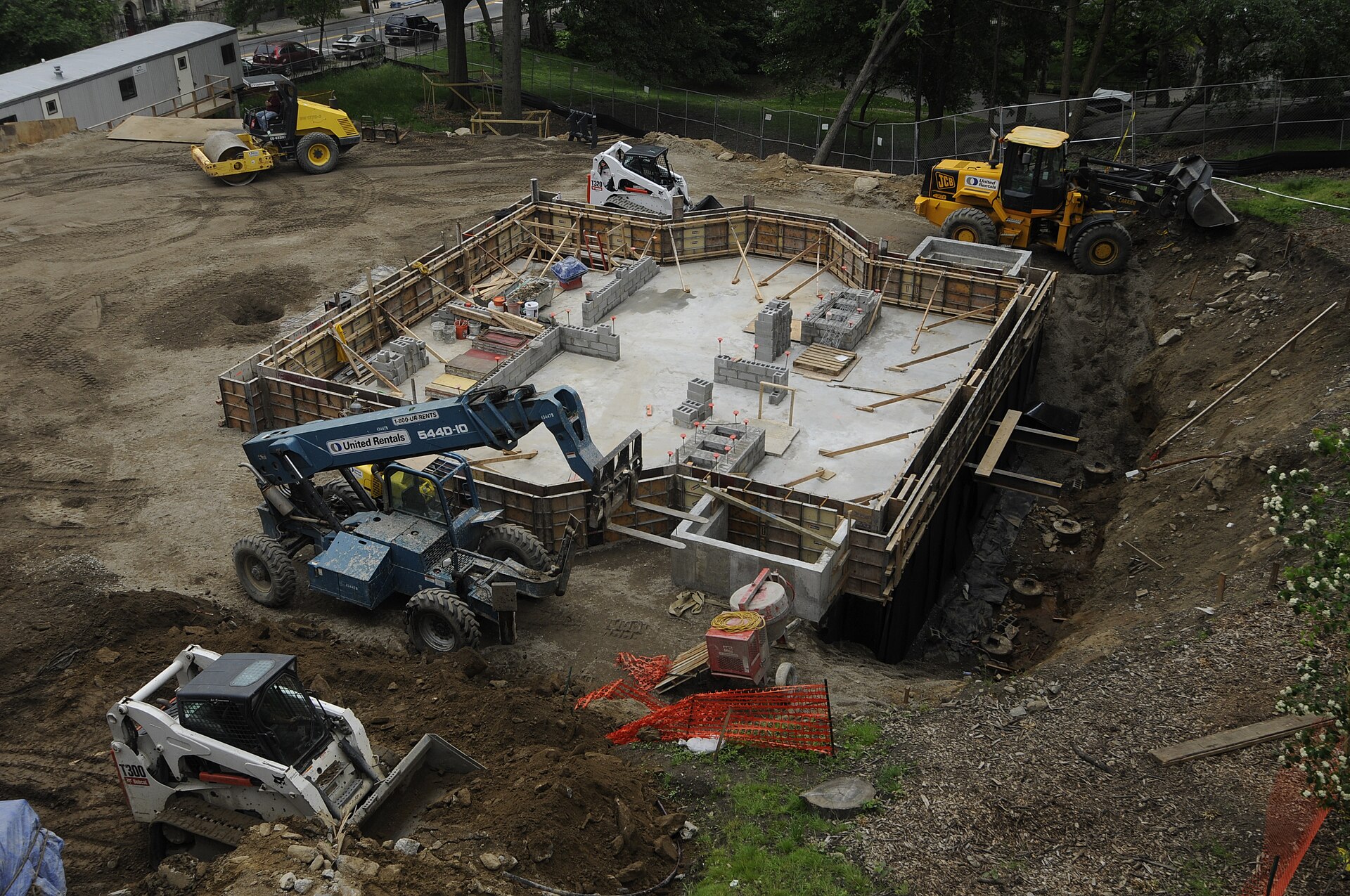
Lenders want detailed plans, a budget, a builder contract and proof of your contingency. Insured mortgages can allow a 30-year amortization on newly built homes. Talk to a licensed mortgage agent with construction lending experience before you commit.
Bungalow tip: If you’re building to age in place, design in a no-step entry, 36-inch doorways, a curbless shower, lever handles and main-floor laundry. These features cost far less to include at the start than to retrofit later.
Questions to ask before you hire a builder
- Are you licensed to build new homes in Ontario, and will my home be enrolled for warranty coverage?
- Is your quote fixed-price or cost-plus, and what’s excluded?
- What allowances are included for finishes, and what happens if I go over?
- Who handles permits, inspections and site safety?
- What’s the payment schedule, and how does it line up with my lender’s draws?
- Can I speak with recent clients and visit a finished home?
Ask for every answer in writing, and have a real estate lawyer review the contract before you sign.
When building makes more sense
- You already own a lot, or a dated bungalow you plan to replace.
- You need specific accessibility features that are hard to retrofit.
- You want a rural or cottage-country property where few bungalows are for sale.
- You have the time and patience to manage a long project.
Thinking about replacing an older home? Read our guide on tearing down a bungalow to rebuild and our bungalow construction timeline.
When buying makes more sense
- You need to move within a set timeframe.
- You want a predictable budget and a standard mortgage.
- You’d rather renovate in stages than manage a build.
- You want an established neighbourhood with mature trees and amenities.
Browse bungalows for sale across Ontario or look at fixer-upper bungalows if you want a middle path of buying and renovating.
Frequently asked questions
Is it cheaper to build or buy a bungalow in Ontario?
It depends on land, design and site conditions. Buying is usually cheaper and more predictable in the GTA, where land costs are high. Get firm quotes before deciding.
How long does it take to build a bungalow?
Including design and permits, it often takes a year or more. Weather, approvals and trades availability can all add time.
Can I get a mortgage to build a house?
Yes, through a construction mortgage that pays out in stages. Lenders require plans, a budget and a builder contract.
Do new custom homes come with a warranty?
Homes built by a registered builder generally come with Ontario’s new-home warranty coverage. Confirm your builder is properly licensed before you sign.
The bottom line
Buy if you value speed, certainty and an established neighbourhood. Build if you own the land, need a custom layout and can handle the time and risk. Either way, get professional quotes, talk to a mortgage agent and have a real estate lawyer review every contract.