
A new home construction timeline runs through the same core stages whether you buy from a builder or build on your own lot: approvals and permits, site work and foundation, framing, rough-ins, insulation and drywall, finishes, and a final inspection before closing. Approvals and weather cause most delays. Here’s what happens at each stage and how to stay on top of it.
Key takeaways
- Most new bungalows move through seven main stages before you get the keys.
- Approvals and permits are often the slowest and least predictable part.
- Builders in Ontario must give you closing dates and follow Tarion’s delay rules.
- A pre-delivery inspection is your chance to note any defects before closing.
Builder project or custom build: which timeline applies?
There are two main ways to get a brand-new bungalow in Ontario.
- Buying from a builder. You buy a lot and model in a new community, often before construction starts. The builder handles approvals, permits and trades.
- Custom building. You own the land, often after tearing down an older home, and hire a designer and builder. You’re more involved and make more decisions.
The construction stages are similar. The big difference is who manages approvals and how much control you have over design and timing. If you’re weighing these options, our guide to building vs buying a bungalow compares the costs.
The 7 stages of building a new bungalow
1. Approvals, design and permits
For a builder project, this includes zoning, site plan approval and servicing for the whole subdivision. For a custom build, it means drawings, zoning review and a building permit from your city. Ravine or conservation areas add another layer of approval.
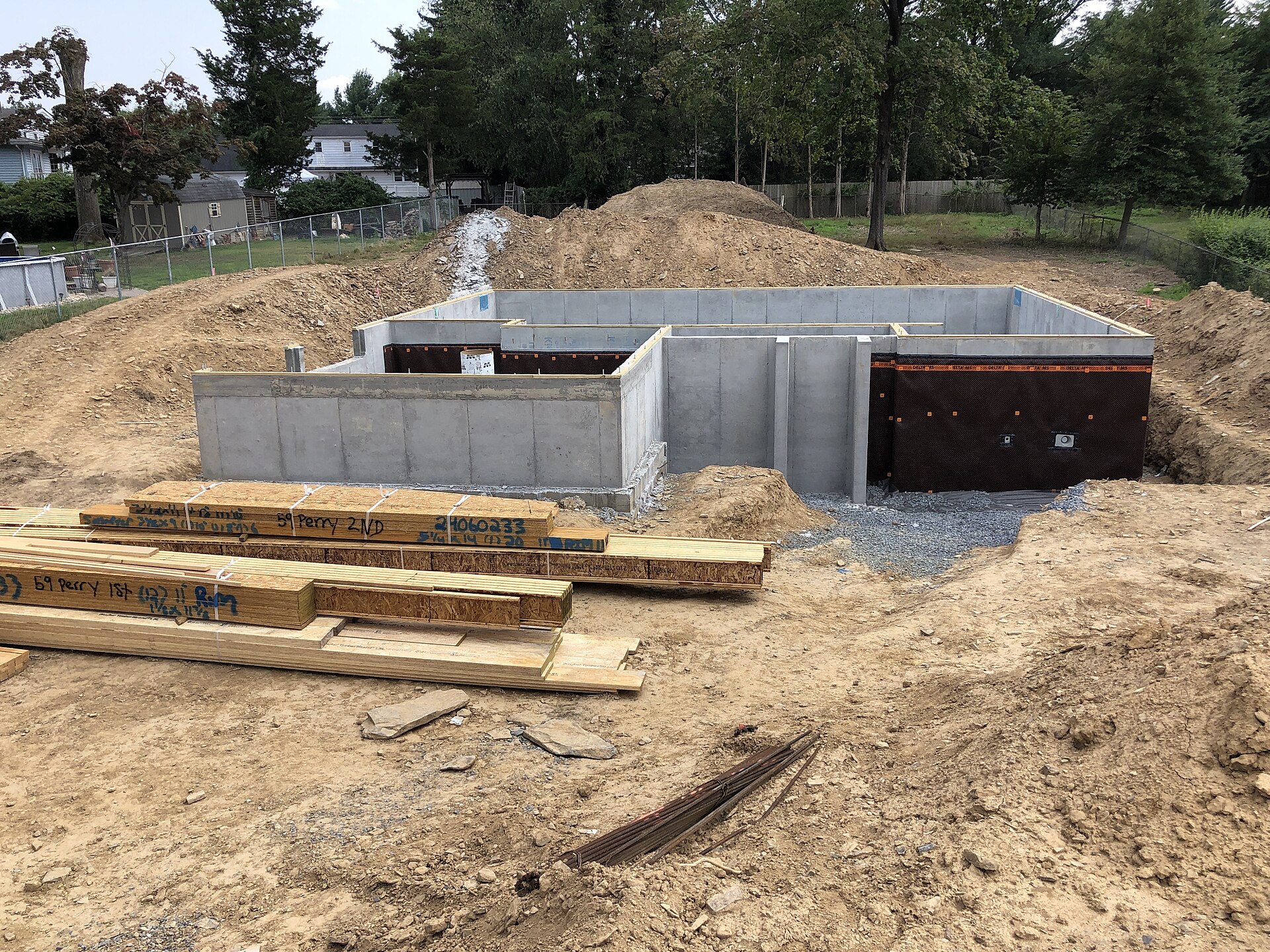
2. Site work and foundation
Crews clear and grade the lot, dig the basement, pour footings and foundation walls, and install drainage and waterproofing. Weather matters most here. Frozen ground and heavy rain can slow things down.
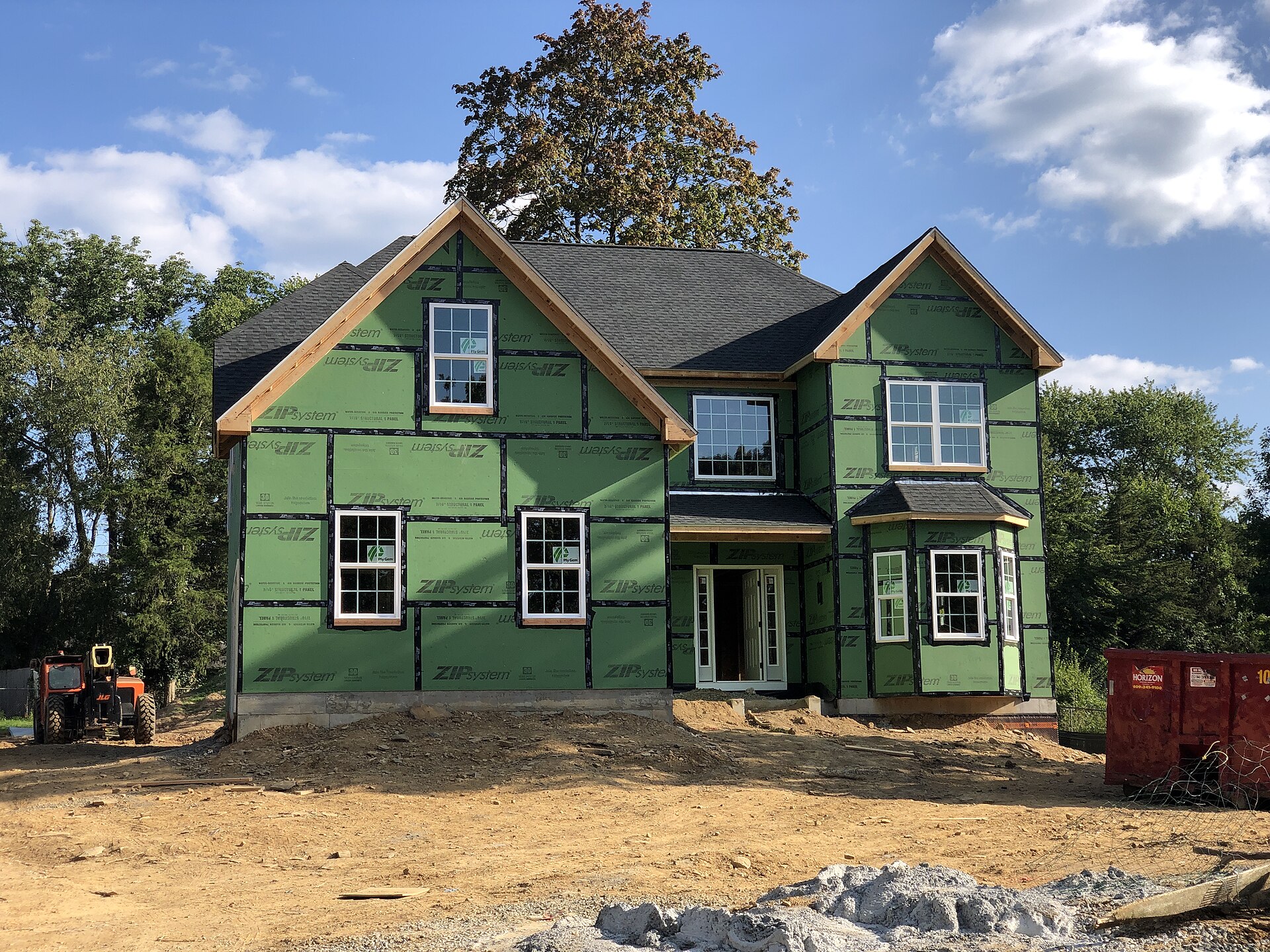
3. Framing and roof
The walls, floor system and roof go up, and the house finally looks like a home. Bungalows have a large roof for their size, so roofing is a bigger job than on a two-storey of similar living space.
4. Rough-ins
Plumbers, electricians and HVAC trades run pipes, wires and ductwork inside the open walls. The city inspects this work before the walls are closed.
5. Insulation and drywall
Insulation and air sealing go in, followed by another inspection. Then drywall is hung, taped and sanded.
6. Interior and exterior finishes
Cabinets, flooring, trim, doors, fixtures and paint go in. Outside, crews finish siding or brick, the driveway and final grading. This stage often feels slow because many trades take turns in the house.
7. Final inspection, PDI and closing
The city completes its final inspections. Then you walk through the home with the builder for the pre-delivery inspection, or PDI, and note anything unfinished or damaged. After that, your lawyer closes the deal and you get the keys.
What causes construction delays?
| Cause | Stage most affected | What you can do |
|---|---|---|
| Slow approvals or permits | Before construction | Ask how far along approvals are before you sign |
| Weather | Foundation and exterior | Expect some slack in winter starts |
| Trade shortages | Rough-ins and finishes | Ask the builder how they schedule trades |
| Material supply | Any stage | Choose finishes early and have backups |
| Design changes | Finishes | Finalize selections on time and avoid late changes |
Bungalow tip: Make your accessibility choices early, such as a no-step entry, 36-inch doorways and a curbless shower. They’re simple to build in during framing and much harder to add after drywall.
Your rights if a builder delays closing
In Ontario, new home sales from builders come with a Tarion addendum. It sets out how closing dates work, how much notice the builder must give for delays, and when you may be owed compensation. Read it closely and ask your lawyer to explain it.
Builders must also be licensed by the Home Construction Regulatory Authority. You can check a builder’s licence and history before you buy. Learn more in our guide to new home warranties in Ontario.
Don’t miss the new-home tax relief
New bungalows can qualify for tax relief that resale homes can’t. As of September 2026:
- First-time buyers may get the federal GST rebate of up to $50,000 on a new home up to $1,000,000, phasing out up to $1,500,000.
- A broader Ontario rebate announced in 2026 provides up to $130,000 in total HST relief on new homes, for agreements signed from April 1, 2026 to March 31, 2027.
Eligibility rules are detailed, so confirm with your lawyer or accountant before you sign.
Frequently asked questions
What is a pre-delivery inspection?
The PDI is a walkthrough with the builder before closing. You list any damaged, missing or incomplete items, and the form becomes part of your warranty record.
Can I visit my new bungalow during construction?
Builders usually limit site visits for safety, but many offer scheduled walkthroughs. Ask about this before you sign.
Is it cheaper to build a bungalow or buy one?
It depends on land costs, design choices and trades in your area. Building gives you control, while buying resale is usually faster and more predictable.
The bottom line
Every new bungalow moves through the same basic stages. Knowing them helps you plan your move, sell your current home at the right time and spot delays early.
Thinking about a new build? Start with our guide to choosing a pre-construction bungalow in the GTA, and if you’ll need to sell first, get a free home evaluation to plan your budget.