Transportation affects home prices because buyers pay for time saved. Bungalows with easy access to highways, GO stations or rapid transit usually attract more demand than similar homes with long, awkward commutes. But being too close can backfire: noise and traffic from a highway or rail line can lower a home’s appeal.
Key takeaways
- Good access to jobs and transit tends to support higher demand and prices.
- The sweet spot is close to a station or on-ramp, but not right beside it.
- Highway noise, rail lines and busy roads can reduce value for homes directly next to them.
- Commuting costs belong in your budget alongside your mortgage.
Why transportation shapes home values
Most buyers think in commute times, not kilometres. A bungalow that is a short GO train ride from work can be more attractive than one that’s closer on a map but stuck behind daily highway traffic.
When many buyers want the same convenience, prices respond. That’s why neighbourhoods near subway stations, GO stations and highway interchanges tend to hold steady demand through different market conditions.
Types of transportation and how they affect prices
| Transportation type | Possible effect on nearby homes | Watch out for |
|---|---|---|
| Subway station | Strong demand from commuters and renters | Busy streets and parking pressure near stations |
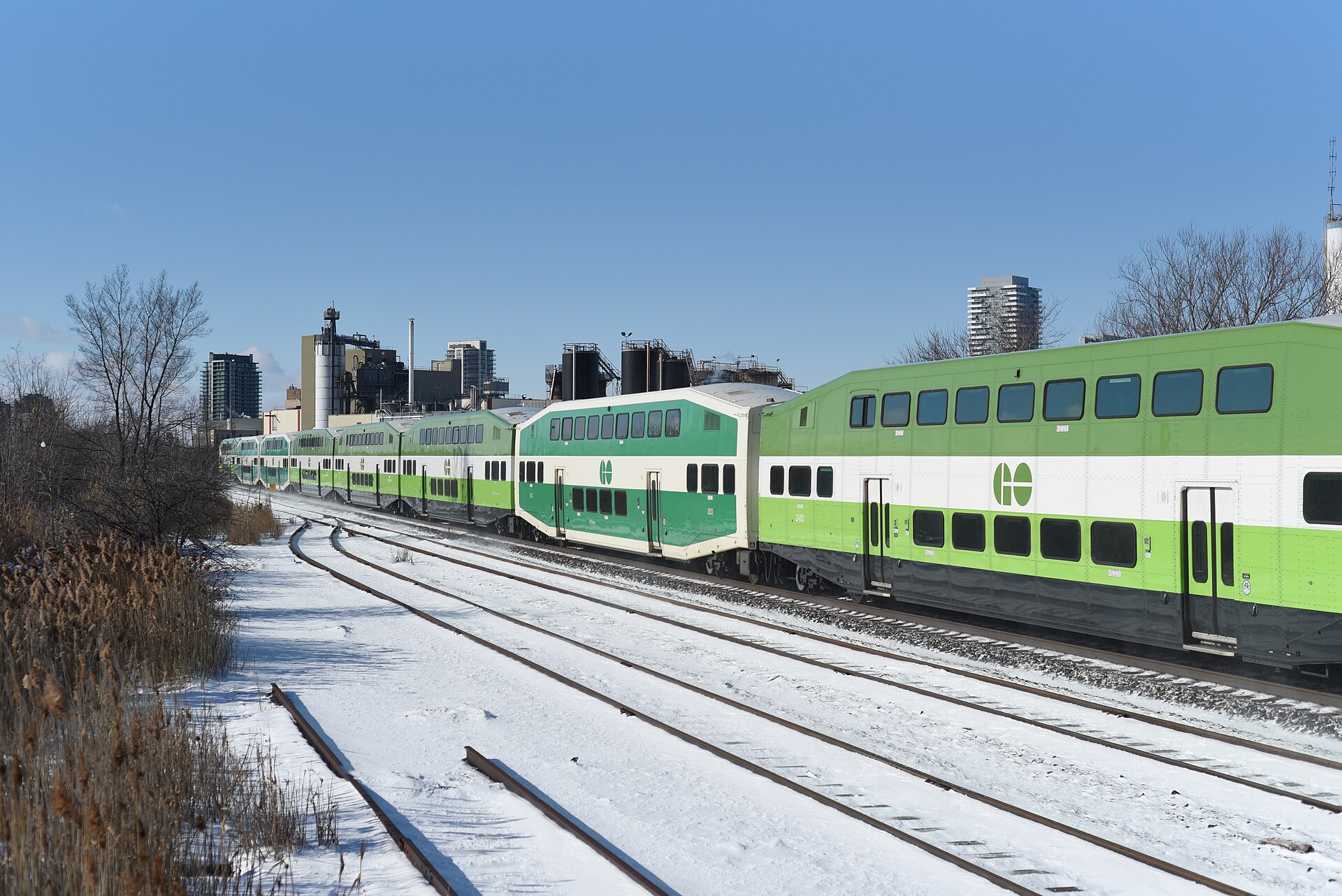
| GO train station | Appeal for 905 commuters heading downtown | Train horns, parking lots, schedule limits |
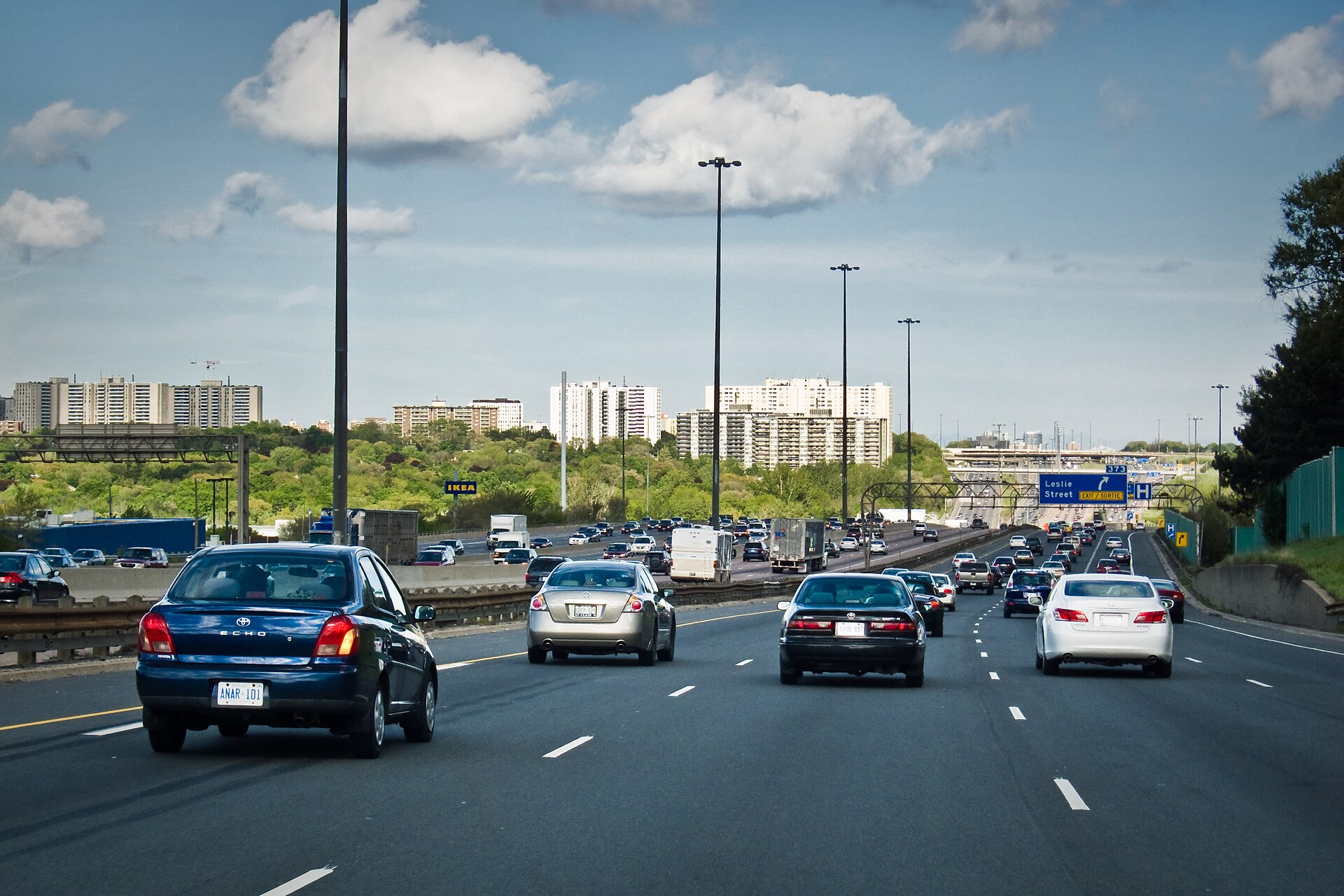
| Highway interchange | Appeal for drivers and two-car households | Noise, truck traffic, congestion on local roads |
| Frequent bus or LRT route | Moderate boost, especially for renters | Construction disruption during building |
| Airport | Appeal for frequent travellers and airport workers | Flight path noise |
These are general patterns. How much transportation adds depends on the area, the type of home and the buyers who shop there.
The “close but not too close” rule
Most buyers want transportation nearby, not next door. A home on a quiet crescent a short walk or drive from a GO station often gets the best of both worlds.
Homes that back directly onto a highway, rail line or busy arterial road can face a smaller buyer pool. Many buyers simply filter them out. Those homes may sell for less than similar homes a street or two away, which can be a buying opportunity if noise doesn’t bother you.
Bungalow tip: If you’re looking at a bungalow near a highway or rail line, visit at rush hour and in the evening. Stand in the backyard and listen. Sound walls, berms and mature trees can make a huge difference, and they’re hard to judge from listing photos.
Highways vs transit: which matters more?
It depends on the buyers in that area.
Where highway access matters most
In car-oriented suburbs like Brampton, Oshawa and Milton, most households drive. Quick access to the 401, 407, 410 or 400 is a big draw. See our guides to Highway 401 and Highway 400.
Where transit matters most
In Toronto and denser parts of Mississauga and Vaughan, walking distance to the subway or a GO station can be a key selling feature. Renters often value transit highly too, which matters if you plan to add a basement suite. Our post on living near a GO station explains the trade-offs.
How commuting costs affect what you can afford
Transportation isn’t just about resale value. It’s a monthly cost that competes with your mortgage.
Before you decide between a closer, pricier bungalow and a cheaper one farther out, add up:
- Fuel, insurance, parking and maintenance for each vehicle.
- Highway 407 tolls, if you’ll use it regularly.
- GO Transit or TTC fares.
- The time you’ll spend commuting each week.
Sometimes a slightly more expensive home near transit lets a household drop a second car, which can offset part of the price difference. Run the numbers with our mortgage calculators.
Future transportation projects and home prices
Planned transit and highway projects can influence prices before they’re finished, because buyers anticipate the future convenience. They can also bring years of construction disruption.
If you’re buying near a planned project:
- Check the project’s current timeline with the transit agency or municipality.
- Look at how construction will affect local roads and noise.
- Consider whether you’ll still own the home when the project opens.
- Don’t pay a premium for a project that isn’t funded or approved yet.
Our post on new transit lines and home values goes deeper on this.
How sellers can use transportation in their marketing
If your bungalow is near transit or a major highway, highlight it. List real walk times to the station and drive times to key destinations. If you’re close enough to hear traffic, be upfront and price accordingly. A free home evaluation can show how nearby sales reflect your location.
Frequently asked questions
Does living near a GO station raise home prices?
It often supports stronger demand, especially for commuters heading downtown. Homes right beside the tracks or the parking lot may not benefit as much because of noise and traffic.
Do homes near highways sell for less?
Homes backing directly onto a highway often sell for less than similar homes farther away. Homes a short drive from an interchange, but not next to it, often benefit.
Should I buy near a planned transit line?
It can make sense if you plan to stay long term, but timelines often shift. Check the project’s status and expect some construction disruption.
The bottom line
Transportation is one of the biggest drivers of where buyers want to live, and that shows up in prices. Look for homes close to the routes you’ll use, but far enough to keep things quiet.
When you weigh your options, count the commute as part of the cost of the home.