Close-knit bungalow neighbourhoods tend to share a few things: long-time owners, homes that face the street, walkable parks and regular chances for neighbours to meet. You can spot these communities by visiting at different times, looking for signs of shared activity and talking with the people who live there. Once you move in, a few simple habits help you become part of it.
Key takeaways
- Bungalow streets often have long-time residents and a friendly, settled feel.
- Look for front porches, people outdoors, active associations and shared spaces.
- Talk to neighbours and visit at different times before you buy.
- Small gestures after you move in help you build connections quickly.
Why bungalow neighbourhoods often feel close-knit
Many bungalow neighbourhoods were built in the post-war decades, and some families have lived on the same street for decades. That stability builds relationships over time.
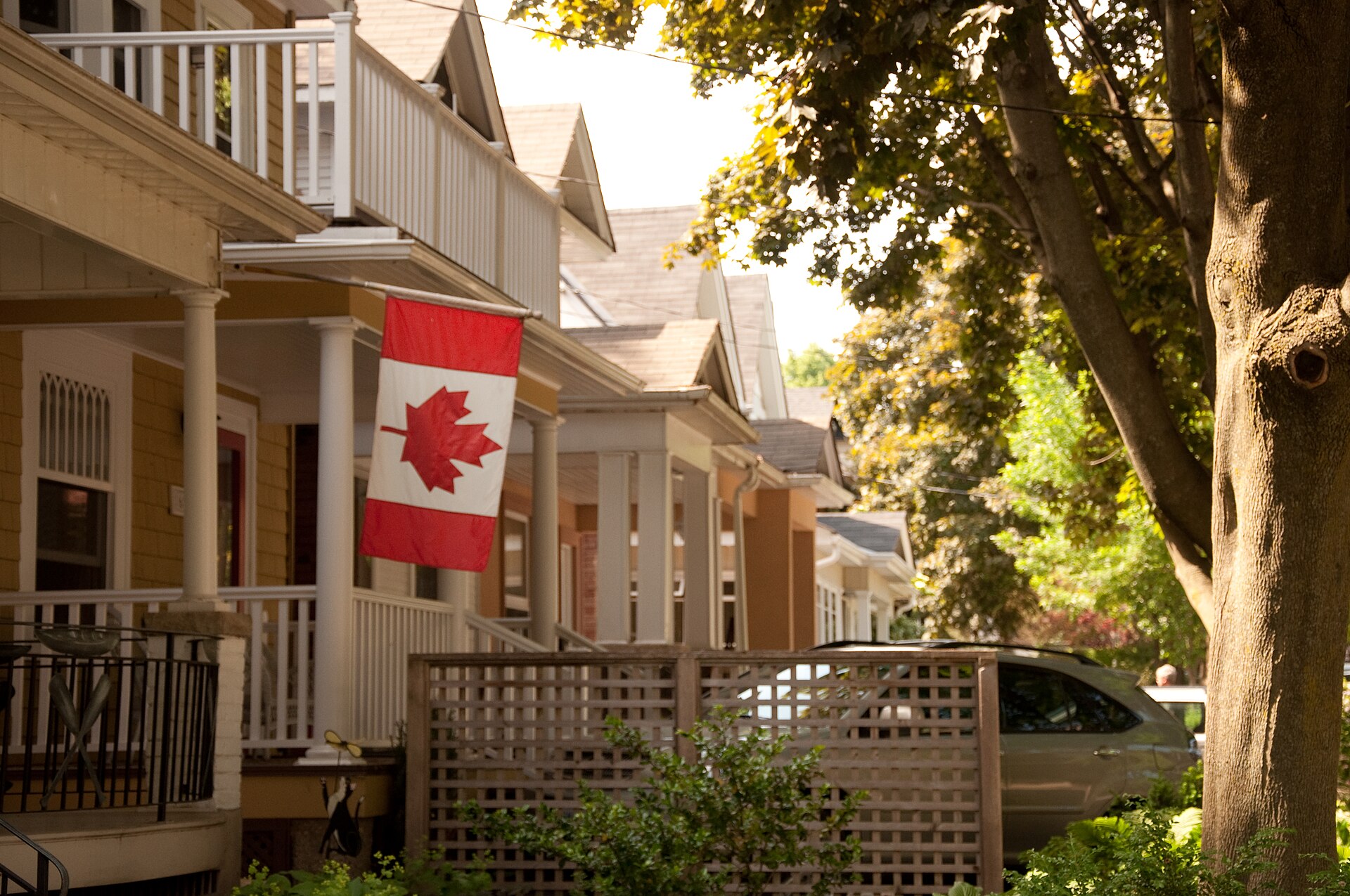
The design helps too. Bungalows usually sit close to the street, with front windows, porches and driveways that face neighbours. People who garden, shovel or sit out front see each other often. Single-level living also suits people at many life stages, so streets can mix retirees, families and young couples.
Signs of a strong, friendly community
When you visit a neighbourhood, look for:
- People outside: walking dogs, gardening, kids playing, neighbours chatting.
- Well-kept homes and yards, suggesting owners who care and stay.
- Front porches and benches that are actually used.
- Community notices on bulletin boards, at the library or the local café.
- A residents’ association or neighbourhood social media group.
- Shared spaces like parks, community gardens, rinks and splash pads.
- Local events, from street parties to garage sale weekends.
How to research a neighbourhood’s community feel
Visit at different times
Go on a weekday evening, a Saturday morning and a Sunday afternoon. Each shows you a different side of the street.
Talk to neighbours
Most people are happy to chat if you introduce yourself as a potential buyer. Ask:
- How long have you lived here?
- What do you like most about the street?
- Are there any community events or groups?
- Has anything changed recently?
Check online groups
Local social media groups and residents’ associations show what people talk about, from lost pets to planning issues. Read for a few weeks to get a feel.
Look at local amenities
Community centres, libraries, places of worship and parks are where neighbours connect. Proximity matters.
Bungalow tip: Walk the neighbourhood with a dog or a stroller if you can. It’s a natural way to start conversations, and you’ll quickly see how welcoming people are.
Types of bungalow communities and their feel
| Community type | Typical feel | Who it suits |
|---|---|---|
| Mid-century city neighbourhood | Mature trees, long-time owners, walkable | Families and downsizers wanting city access |
| Suburban crescent | Quiet streets, kids playing, block events | Young families |
| Adult lifestyle community | Clubhouse, organized activities | Retirees and empty nesters |
| Small-town main street area | Everyone knows everyone, local shops | People wanting a slower pace |
| Rural or lakeside area | Spread out, but strong community ties | Nature lovers, retirees |
Explore different types in areas like Brampton, Newmarket or St. Catharines.
How to become a great neighbour
Once you move in, you help shape the community too. Simple habits go a long way:
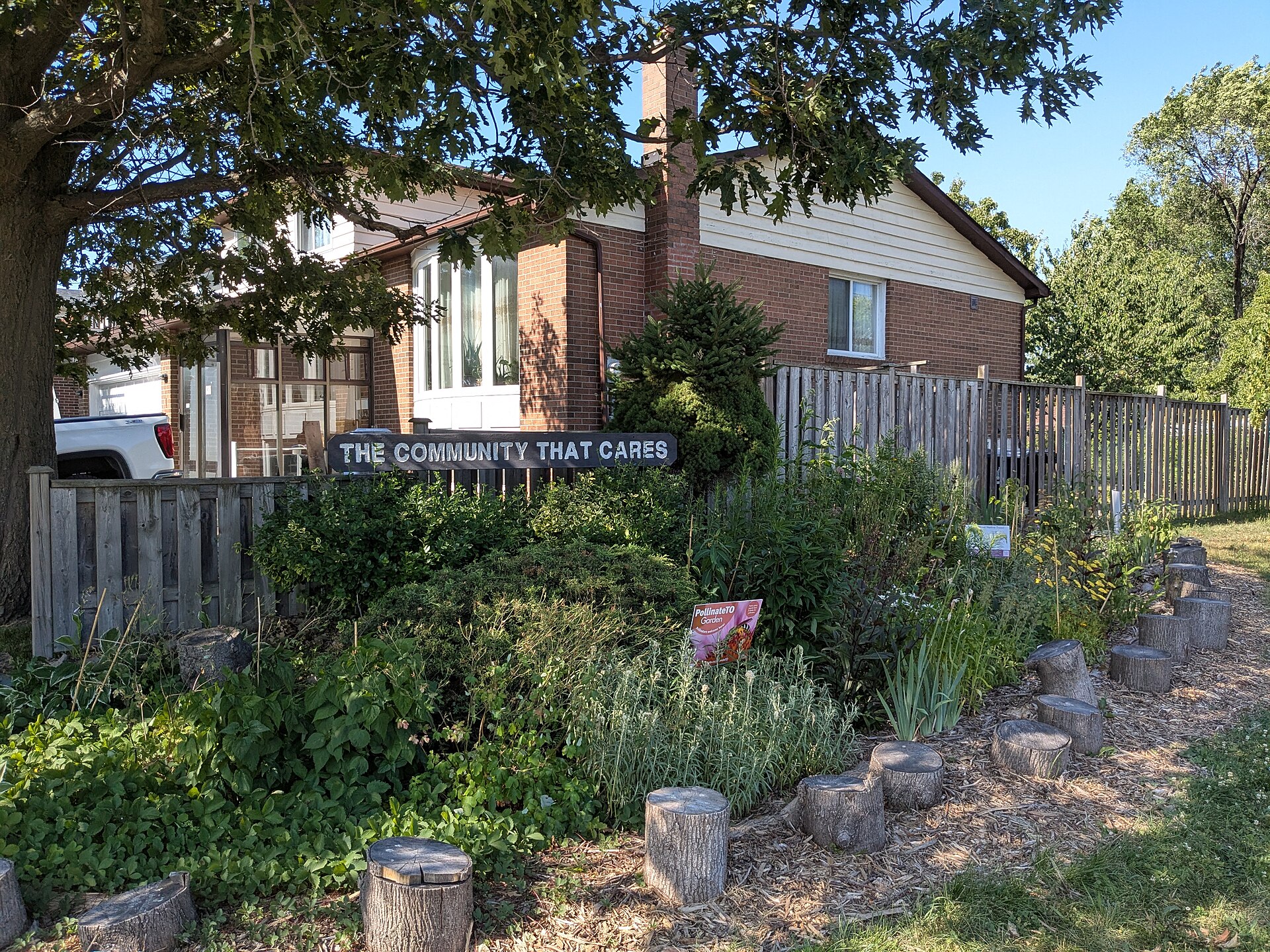
- Introduce yourself in your first few weeks.
- Wave and say hello, even when you’re busy.
- Keep your yard and driveway tidy, and clear your sidewalk after snowfalls.
- Offer a hand to neighbours, like shovelling or bringing in mail when they’re away.
- Join a residents’ association, community garden or local event.
- Communicate before projects that affect others, like renovations or tree removal.
If you’ll share a wall or common spaces, read our guide to bungalow etiquette for shared spaces.
Red flags that a street may not be a good fit
Not every neighbourhood will match what you’re looking for. Watch for:
- Very few people outside, even on pleasant weekends.
- Many homes in poor repair, or frequent turnover of owners.
- Ongoing disputes mentioned in online groups, such as parking or noise conflicts.
- Heavy through-traffic that keeps people indoors.
One sign on its own doesn’t mean much. But if several show up together, keep looking. There are plenty of welcoming bungalow streets across the GTA and Ontario.
Community and your home’s value
A strong community doesn’t show up on a listing sheet, but buyers feel it during showings. Well-kept streets, active parks and friendly neighbours can make a home easier to sell.
When you’re comparing homes, weigh community alongside price and size. Our guide to choosing a bungalow location walks through the full decision.
Frequently asked questions
How can I tell if a neighbourhood is friendly before buying?
Visit at different times, look for people outdoors and talk to a few neighbours. Local social media groups and residents’ associations also give you a good sense of the community.
Are bungalow neighbourhoods good for retirees?
Many are, because single-level homes suit aging in place, and established streets often include other long-time residents. Check access to healthcare, shops and transit too.
What is an adult lifestyle community?
It’s a development designed mainly for older adults, often with bungalows or bungalow townhomes and shared amenities like a clubhouse. Rules and fees vary, so review them before you buy.
The bottom line
The best bungalow neighbourhoods are about more than houses. They’re about the people next door and the places you meet them.
Take time to get to know a street before you buy, and once you move in, be the neighbour you’d want to have.
Bungalows for sale in Close right now
Live listings from the area this article covers.
 $669,900103 Rocklind Close Lane, Front of Leeds & Seeleys Bay2+1 bed · 2 bath · 02 - Front of Leeds & Seeleys BayCourtesy of CENTURY 21 HERITAGE GROUP LTD., BROKERAGE
 $799,0002555 Chalkwell Close, Mississauga2+2 bed · 2 bath · ClarksonCourtesy of CENTURY 21 PEOPLE`S CHOICE REALTY INC.
 $1,275,000106 Woodholme Close, London North2+3 bed · 3 bath · North FCourtesy of RE/MAX ADVANTAGE SANDERSON REALTY
 $499,000154 15th Ave Close, Hanover3+1 bed · 2 bath · HanoverCourtesy of Vantage Point Realty Ltd.
 $999,00022 Avondale Crescent, Aurora4 bed · 3 bath · Aurora VillageCourtesy of RE/MAX HALLMARK REALTY LTD.
 $819,9002409 Whaley Drive, Mississauga3 bed · 2 bath · CooksvilleCourtesy of SUTTON GROUP - SUMMIT REALTY INC.