Location affects property value more than any other single factor, because it’s the one thing you can’t change after you buy. Value is shaped at several levels: the city or region, the neighbourhood, the specific street and the lot itself. Two identical bungalows can sell for very different prices just a few blocks apart.
Key takeaways
- Location works at four levels: region, neighbourhood, street and lot.
- Schools, transit, amenities and future development all influence demand.
- Small details, like a busy road or a ravine view, can move value up or down.
- You can renovate a house, but you can’t move it, so weigh location heavily.
Why location matters so much
Land is limited, especially in established GTA neighbourhoods. The house on it ages and can be updated or replaced, but the land’s position stays the same.
That’s why buyers often pay a premium for a great location even when the house needs work. In some parts of Toronto, older bungalows sell mostly for their lot, and buyers plan to renovate or rebuild.
The four levels of location
1. Region and city
Broad market forces set the starting point. Job markets, population growth, taxes and housing supply all differ between Toronto, Peel, York, Durham, Halton and areas farther out.
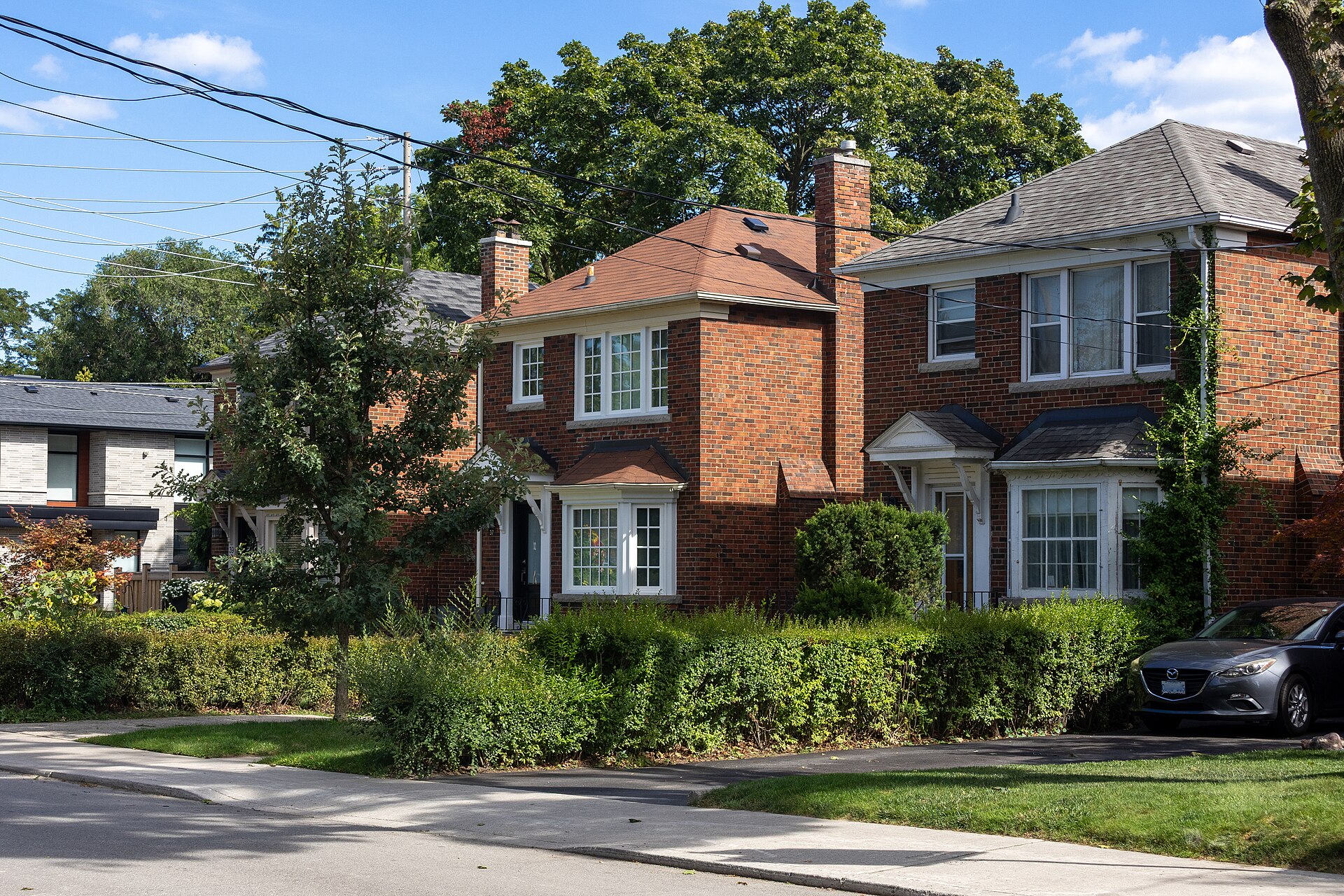
For example, buyers inside the City of Toronto pay the Municipal Land Transfer Tax on top of the Ontario tax. That doesn’t apply in Mississauga, Brampton or Vaughan, and it’s one reason some buyers look just outside the city line.
2. Neighbourhood
Within a city, neighbourhoods vary widely. Buyers look at schools, parks, shopping, safety, transit and the general look and feel of the area. Reputation matters too, and it can take years to change.
3. Street
On the same street, or on the next one over, value can shift. Quiet crescents and cul-de-sacs often appeal more than busy through-streets. Proximity to a park can add appeal. Backing onto a commercial plaza or a highway can reduce it.
4. Lot
The lot itself carries a lot of weight. Size, shape, frontage, depth, orientation and what’s behind it all matter. A ravine lot, a south-facing backyard or a wide frontage can set one bungalow apart from its neighbours. Read more in our post on why lot size matters.
Location factors that raise or lower value
| Tends to add value | Tends to reduce value |
|---|---|
| Good school catchments | Backing onto a highway or rail line |
| Walking distance to transit and shops | Busy arterial road out front |
| Parks, ravines or water views | Hydro corridors directly behind |
| Quiet crescents and cul-de-sacs | Nearby industrial or heavy commercial use |
| Larger or wider lots | Irregular lots that limit building |
| Planned transit or amenities nearby | Flood-prone or low-lying land |
These are general patterns, not rules. Some buyers happily trade a busy road for a lower price, and some love being next to a GO line.
How future changes affect location value
Location isn’t frozen in time. Changes in an area can push values up or down over the years.
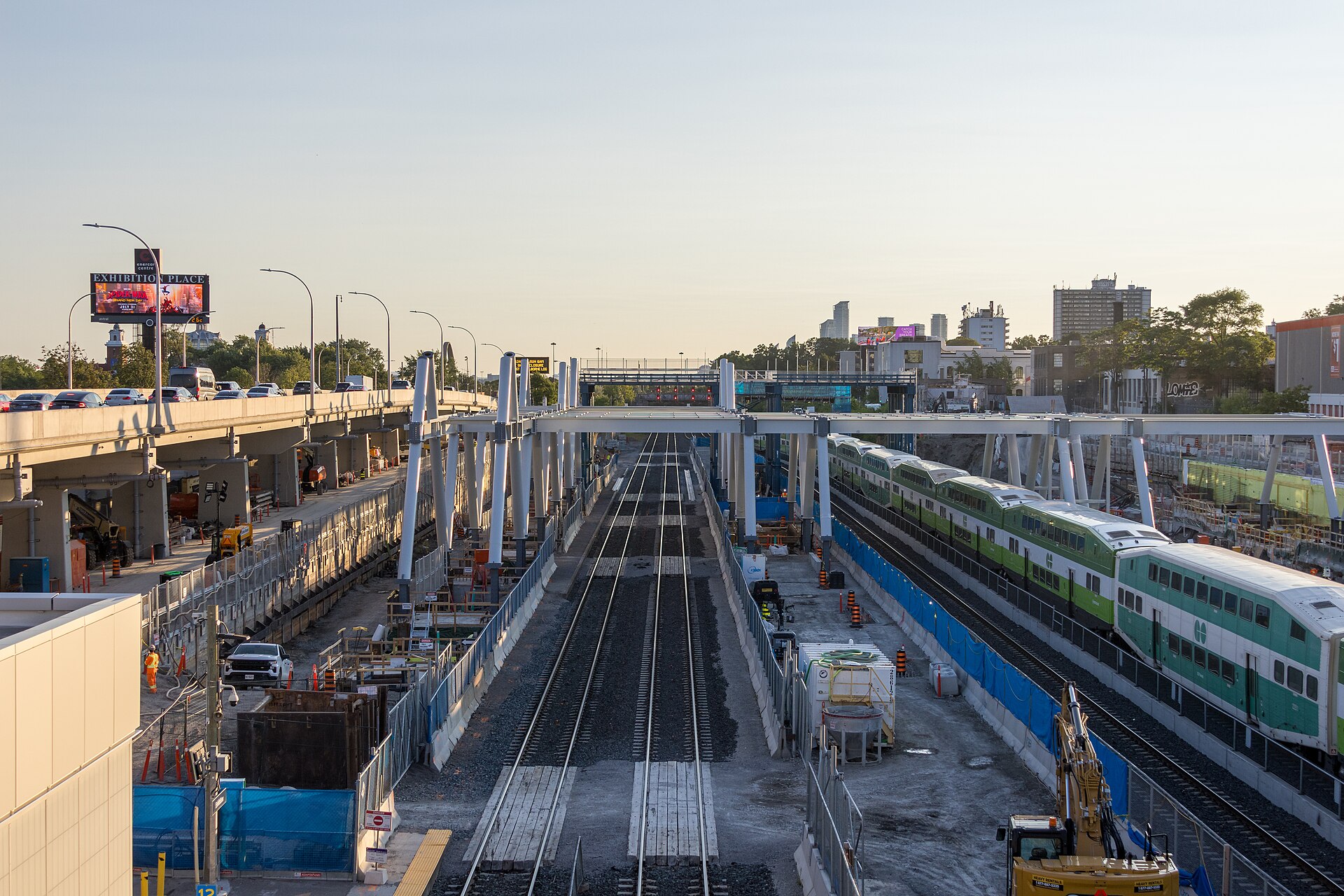
- New transit: a new subway, LRT or GO station can boost demand nearby. Our post on new transit lines and home values explains why.
- Rezoning and intensification: Ontario’s rules now allow up to three units on most serviced urban residential lots, which can make larger lots more valuable to some buyers.
- New amenities: hospitals, schools, parks and shopping centres attract buyers.
- Unwanted development: large industrial or highway projects can do the opposite.
Check the municipality’s official plan and any planned projects before you buy.
Bungalow tip: When two bungalows are similar, choose the better location over the better finishes. You can always update a kitchen later, but you can’t add a park across the street.
How to use location when you buy or sell
For buyers
- Decide which location factors matter most to you: schools, commute, yard, quiet.
- Compare sold prices across several nearby streets, not just the neighbourhood.
- Visit at different times to check traffic and noise.
- Ask your agent how resale buyers view the location.
Our compare homes tool lets you look at shortlisted properties side by side.
Location mistakes buyers make
- Falling for a renovated house on a street they’d never otherwise choose.
- Judging a location only on a quiet Sunday afternoon visit.
- Ignoring what’s behind the backyard fence.
- Assuming a nearby vacant lot will stay vacant.
- Stretching to a new area without checking the commute at rush hour.
For sellers
Highlight your location’s strengths in your listing: walk times, nearby parks, schools and transit. If your location has a drawback, price for it honestly from the start. A free home evaluation uses nearby sales to show how location factors into your value.
Frequently asked questions
Is location more important than the house?
For long-term value, it usually is. The house can be renovated or replaced, but the location can’t be changed.
Does living on a busy street lower home value?
Often it does, because many buyers prefer quiet streets. The effect depends on the area, the price point and the home’s other strengths.
How do I know if a location will go up in value?
No one can promise that. Look for signs like planned transit, new amenities, investment by owners and steady demand, and ask your agent about local trends.
The bottom line
Location shapes value at every level, from the city right down to your backyard. It’s the one feature you can’t change, so give it extra weight when you buy.
Ready to compare neighbourhoods? Browse bungalows for sale across the GTA and Ontario.
Bungalows for sale in Toronto right now
Live listings from the area this article covers.
 $1,398,80074 Navaho Drive, Toronto3+4 bed · 3 bath · Pleasant ViewCourtesy of HOMELIFE LANDMARK REALTY INC.
 $2,990,00061 Highland Crescent, Toronto2+1 bed · 2 bath · Bridle Path-Sunnybrook-York MillsCourtesy of RE/MAX REALTRON BARRY COHEN HOMES INC.
 $1,299,00085 Pegasus Trail, Toronto4+2 bed · 3 bath · WoburnCourtesy of iCloud Realty Ltd.
 $849,9005 Bradbrook Road, Toronto3 bed · 2 bath · Islington-City Centre WestCourtesy of RE/MAX PROFESSIONALS INC.
 $1,248,00036 Kamloops Drive, Toronto3+1 bed · 3 bath · Pleasant ViewCourtesy of RE/MAX REALTY SPECIALISTS INC.
 $1,080,00051 Rothsay Avenue, Toronto2+1 bed · 2 bath · Stonegate-QueenswayCourtesy of HARVEY KALLES REAL ESTATE LTD.