
Buying an old bungalow can get you character, mature trees and a generous lot in an established neighbourhood. The trade-off is that older homes can hide outdated wiring, aging pipes, foundation issues and materials that need special handling. This guide shows you what to inspect, what to budget for and when the charm is worth it.
Key takeaways
- Older bungalows often sit on larger lots in established areas, which supports long-term value.
- Wiring, plumbing, foundations and old oil tanks are the biggest risk areas.
- Insurance companies may ask detailed questions about older systems.
- Heritage designations can limit exterior changes, so check before you buy.
Why buyers love older bungalows
Canada’s oldest bungalows range from early Craftsman homes to post-war brick bungalows. Many sit on wide lots with mature trees, close to schools, parks and transit that grew up around them.
They also offer craftsmanship you rarely see today: solid wood trim, plaster walls, hardwood floors and built-in cabinets. To learn how these homes came to be, read our post on the history of the bungalow.
The main risks in older bungalows
Electrical
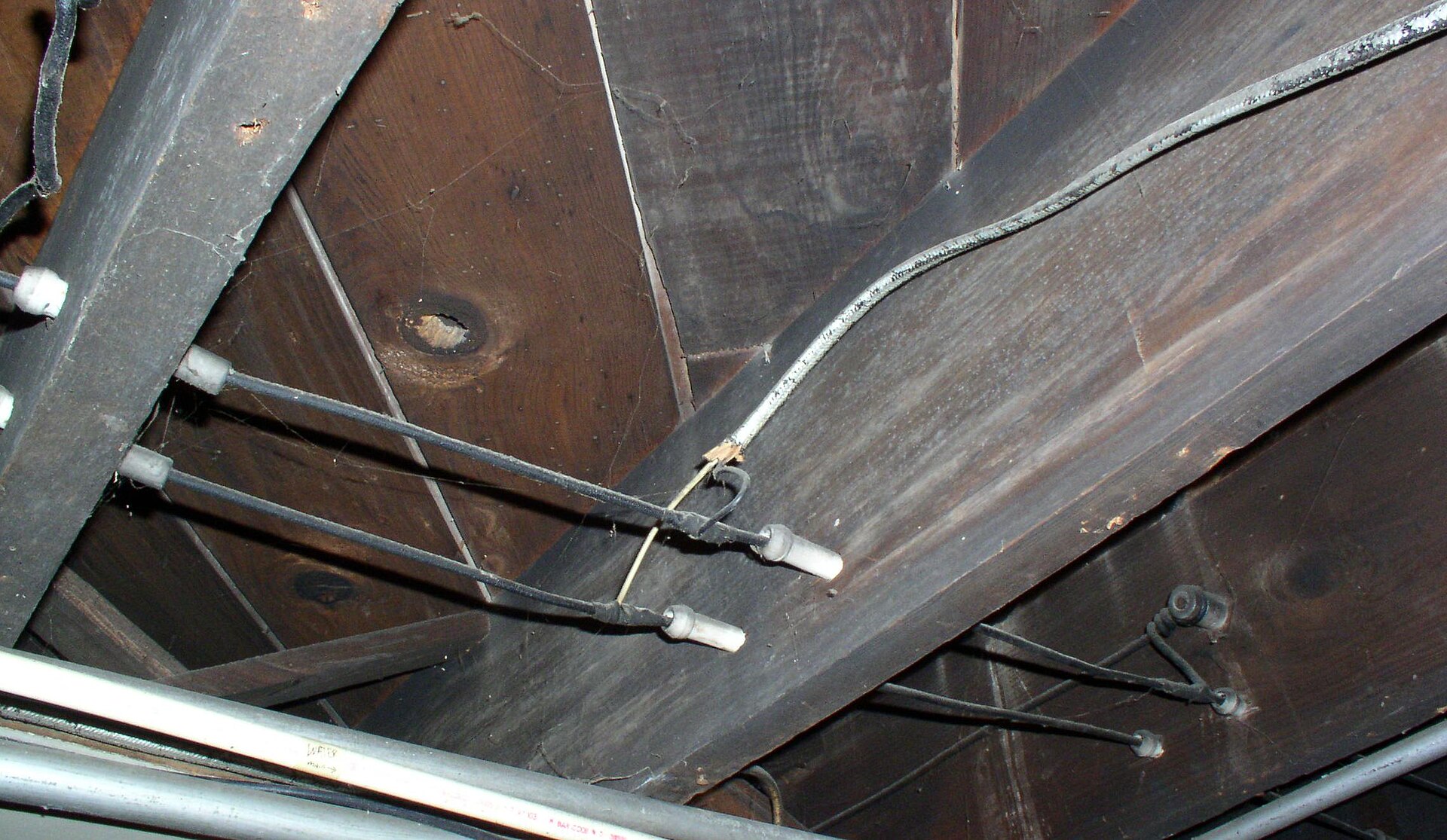
Very old homes may still have knob-and-tube wiring. Some homes from later decades have aluminum branch wiring. Both can be safe if properly maintained or updated, but many insurers have rules about them. Check the panel’s age and capacity too, since modern kitchens and EV chargers need more power.
Plumbing
Older homes may have galvanized steel supply pipes, which can corrode and reduce water pressure. Some very old homes still have a lead water service line from the street. Cast-iron or clay drain pipes can crack or fill with tree roots. A camera inspection of the main drain is worth the cost.
Foundation and water
Look for cracks, efflorescence (white, chalky deposits) and signs of past leaks. Check whether the home has a sump pump and a backwater valve. Grading and downspouts matter as much as the foundation itself.
Oil tanks
Many older homes were once heated with oil. A buried or abandoned tank can be expensive to remove and may affect insurance. Look for fill pipes or vent pipes on exterior walls, and ask for removal records.
Hazardous materials
Some older materials, such as vermiculite insulation, certain floor tiles and old pipe wrap, may contain asbestos. Older paint may contain lead. These are usually safe if undisturbed, but testing is important before renovations.
Old bungalow inspection checklist
| Area | What to look for | Who to ask |
|---|---|---|
| Electrical | Knob-and-tube, aluminum wiring, panel size | Home inspector, licensed electrician |
| Supply plumbing | Galvanized pipes, lead service line | Inspector, plumber, municipality |
| Drains | Cracks, roots, collapsed sections | Plumber with a drain camera |
| Foundation | Cracks, moisture, efflorescence | Inspector, structural engineer if needed |
| Heating | Furnace age, oil tank history | Inspector, HVAC technician |
| Roof and attic | Shingle age, insulation level, ventilation | Inspector, roofer |
| Materials | Possible asbestos or lead paint | Qualified testing company |
Our post on how inspections can make or break a bungalow deal explains how to use the results in negotiation.
Bungalow tip: Call your insurance broker before your offer is firm. Ask whether the wiring, heating and roof age will affect coverage or price. It’s much better to know before closing.
Heritage homes: extra rules to know
Some older bungalows are listed or designated on a municipal heritage register. Designation can limit changes to the exterior, like windows, porches and rooflines. It may also bring access to local grants in some cities.
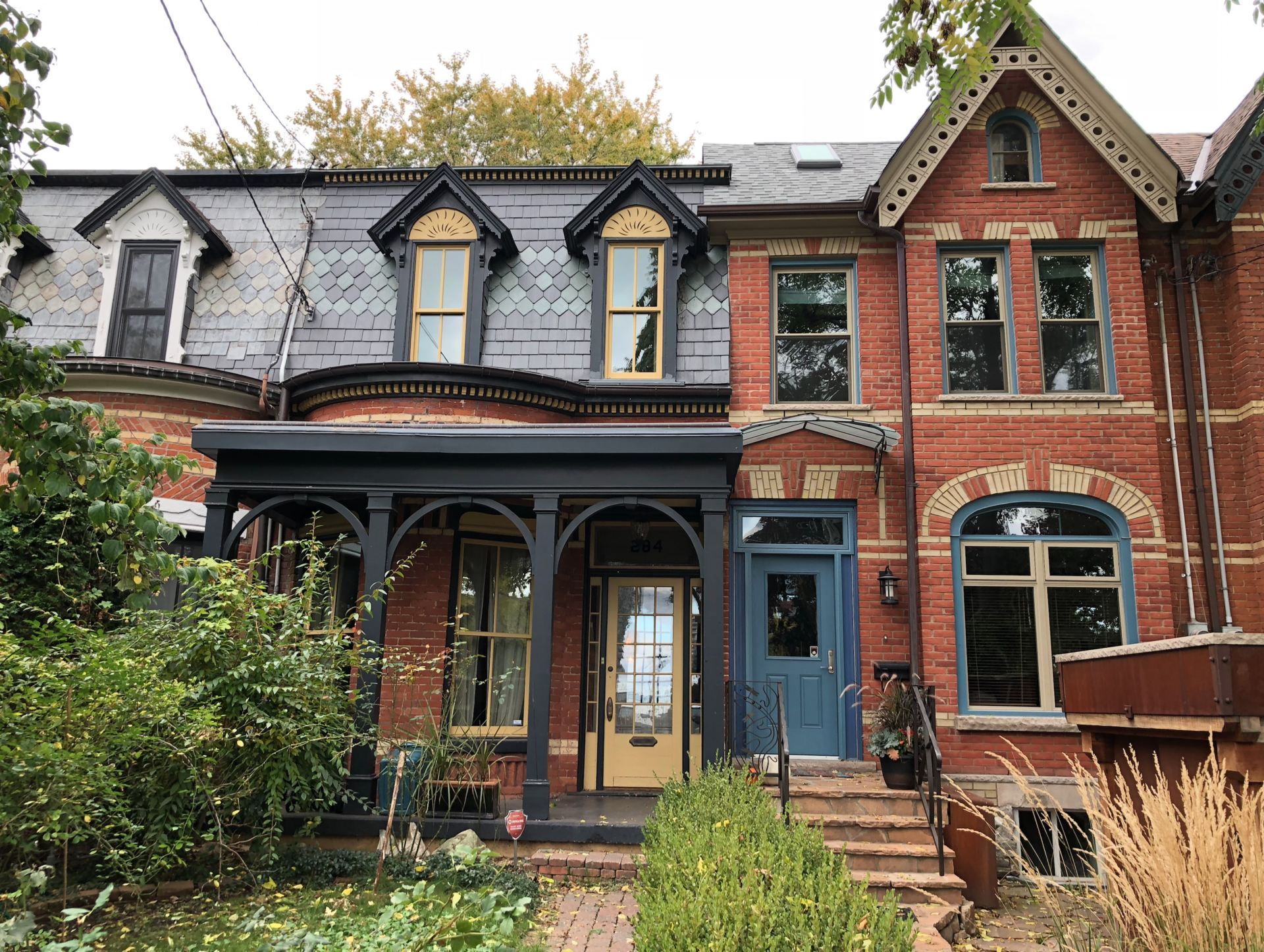
Before you buy, ask your agent to confirm the home’s heritage status with the municipality. If you plan big changes, talk to the city’s heritage staff early. Our guide on reviving bungalow heritage covers how owners balance history and modern needs.
Budgeting for an older bungalow
Plan for updates beyond your down payment and closing costs. Closing costs alone are commonly 1.5% to 4% of the price in Ontario.
- Get the inspection report and list every recommended repair.
- Get quotes for urgent items, like wiring or drain repairs.
- Set aside a contingency fund for surprises behind walls.
- Prioritize safety and water issues before cosmetic updates.
- Spread non-urgent upgrades over a few years.
Older homes priced as fixer-uppers can be good value if you budget well. Browse fixer-upper bungalows for sale to compare options.
Is an old bungalow worth it?
An older bungalow is often worth it if the lot and location are strong, the structure is sound and you’re ready for some updates. It’s riskier if the foundation has major problems, the systems all need replacing at once or heritage rules block your plans.
Compare older homes with newer options using our post on older bungalows vs new builds.
Frequently asked questions
Is knob-and-tube wiring a deal breaker?
Not always, but many insurers won’t cover a home with active knob-and-tube wiring, or they require it to be replaced. Get an electrician’s quote and talk to your insurance broker.
How do I know if a home has a lead water pipe?
Your home inspector or a plumber can check where the water line enters the house. Many municipalities also offer information or replacement programs.
Can I renovate a heritage bungalow?
Usually, yes, especially inside. Exterior changes to designated homes often need municipal approval, so check before you plan.
The bottom line
Buying an old bungalow can give you charm, a great lot and a home with history. Go in with a thorough inspection, a realistic budget and answers from your insurer and lawyer.
Want help finding a vintage bungalow with good bones? Set up listing alerts for established neighbourhoods you love.
Bungalows for sale in Canada right now
Live listings from the area this article covers.
 $629,900865 Canada Drive, Fort Erie2+2 bed · 2 bath · 333 - LakeshoreCourtesy of RE/MAX NIAGARA REALTY LTD, BROKERAGE
 $1,698,000150 Upper Canada Drive, Toronto3 bed · 2 bath · St. Andrew-WindfieldsCourtesy of RE/MAX REALTRON REALTY INC.
 $59,90012 CANADA Road, Haldimand0 bath · DunnvilleCourtesy of REAL BROKER ONTARIO LTD.
 $349,900109 Powerview Avenue, St. Catharines3 bed · 1 bath · 458 - Western HillCourtesy of ROYAL LEPAGE NRC REALTY
 $999,00022 Avondale Crescent, Aurora4 bed · 3 bath · Aurora VillageCourtesy of RE/MAX HALLMARK REALTY LTD.
 $819,9002409 Whaley Drive, Mississauga3 bed · 2 bath · CooksvilleCourtesy of SUTTON GROUP - SUMMIT REALTY INC.