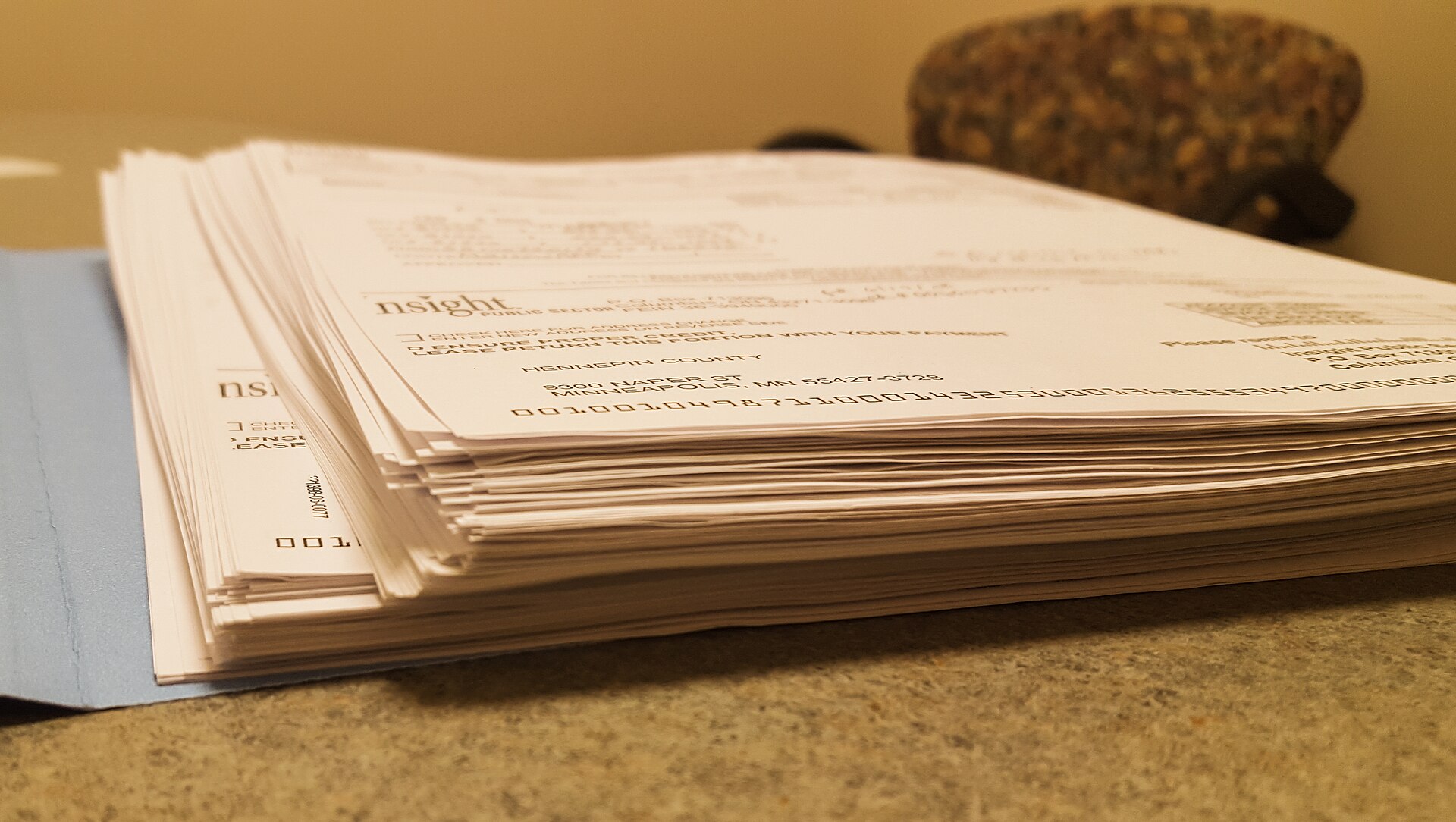
The key home ownership documents are your lawyer’s reporting letter with the registered transfer, the survey, your title insurance policy, mortgage papers, and records of permits, warranties and renovations. Together, they prove what you own and how it’s been cared for. Keep them organized from day one, because you’ll need them when you refinance, renovate, claim insurance or sell.
Key takeaways
- Ontario ownership is recorded electronically, so your lawyer’s reporting letter is your key record.
- Ask for the survey, permits and warranty papers before closing.
- Keep receipts for renovations and major repairs.
- Store everything digitally and keep originals somewhere safe.
Why ownership documents matter
When you buy a home in Ontario, your ownership is registered in the provincial land registry. There’s no paper deed in a drawer like in old movies. Instead, your lawyer sends you a reporting letter that confirms what was registered and includes copies of the key papers.
Those records do real work over the years. They help you prove ownership, show lot lines, back up an insurance claim, support a permit application and answer a future buyer’s questions. Missing paperwork can slow a sale or cost you money.
Documents to get when you buy
Ask for these before or at closing. Your agent and lawyer can help you collect them.
| Document | What it shows | Where it comes from |
|---|---|---|
| Reporting letter and registered transfer | You are the legal owner | Your real estate lawyer |
| Agreement of purchase and sale | Price, terms, included items | Your agent and lawyer |
| Statement of adjustments | Final costs, tax and utility credits | Your lawyer |
| Survey | Lot lines, house position, easements | Seller, if one exists |
| Title insurance policy | What’s covered if title issues appear | Your lawyer |
| Mortgage documents | Your loan terms and payment schedule | Your lender |
| Home inspection report | Condition at purchase | Your inspector |
Bungalow-specific papers to ask for
Many bungalows have been renovated over the decades. Ask the seller for:
- Building permits and final inspections for basement apartments, additions, decks and sunrooms.
- Second unit registration if the basement is a legal rental. Cities like Brampton register second units.
- Tarion warranty papers if the home is fairly new, so any remaining coverage transfers to you.
- Roof, furnace and window records, including installation dates and warranties.
- Rental contracts for a water heater, furnace or water softener.
- Existing tenant leases if you’re buying a home with tenants in place.
Missing permits are one of the most common issues with older homes. Our guide to common title problems explains what can go wrong.
Bungalow tip: If you’re buying a bungalow for its basement unit, ask your lawyer to confirm the permits and registration before you firm up. A legal unit is worth more to lenders, insurers and future buyers.
Records to keep while you own the home
Ownership paperwork keeps growing. Add these as you go:
- Property tax bills and assessment notices
- Home insurance policies and any claim records
- Renovation contracts, permits and receipts
- Maintenance records for the furnace, roof and sump pump
- Appliance manuals and warranties
- Mortgage renewal and refinancing papers
- Before-and-after photos of major work
Renovation receipts can matter later. If you ever rent part of the home or own more than one property, an accountant may need them to work out your tax position. Ask an accountant how long to keep records for your situation.
How title is held: a quick note
Your transfer also shows how you own the home if more than one person is on title. Couples often hold title as joint tenants, so the survivor owns the home automatically if one owner dies. Friends or family buying together may choose tenants in common, where each owns a share that can pass under their will.
The right choice depends on your family and estate plans. Discuss it with your real estate lawyer before closing.
When you’ll need these documents
You may not look at your home file for years, then need it in a hurry. Common moments include:
- Refinancing or renewing, when a lender asks for proof of ownership and insurance
- Insurance claims, especially after water damage or a storm
- Applying for permits for an addition, garden suite or basement unit
- Selling, when buyers ask about updates, permits and the survey
- Estate planning, so your executor can find everything quickly
How to store your home documents
- Scan everything and save it in a secure cloud folder with clear file names.
- Keep originals in a fireproof box or safe.
- Share access with a spouse or executor so someone else can find them if needed.
- Update the folder every time you renovate, refinance or renew insurance.
Frequently asked questions
Do I get a deed when I buy a house in Ontario?
Not a traditional paper deed. Ownership is registered electronically, and your lawyer gives you a reporting letter with a copy of the registered transfer.
What if the seller doesn’t have a survey?
Many older homes don’t have a recent survey. Your lawyer may recommend title insurance or a new survey, depending on the property.
How can I get copies of permits for my home?
Contact your city’s building department. Many municipalities let owners request permit history and drawings for their property.
How long should I keep renovation receipts?
Many owners keep them for as long as they own the home. An accountant can tell you what’s needed for your tax situation.
The bottom line
Good paperwork protects you every year you own your bungalow and makes selling much smoother. Collect the key documents at purchase, keep adding to them and store them safely.
This article is general information, not legal or tax advice. Talk to a real estate lawyer and an accountant about your situation. To learn more about the closing process, read why you need a lawyer to close, and see our buyer’s guide for every step.