You need a real estate lawyer in Ontario because a lawyer handles the legal transfer of the property: checking that the seller can sell it, moving the money safely and registering you as the new owner. Lenders also require one before they’ll release mortgage funds. Here’s what your lawyer actually does and why it protects you.
Key takeaways
- Ontario home sales close through lawyers, who register the transfer of ownership.
- Your lawyer searches title for liens, unpaid taxes and other problems.
- All money flows through the lawyers’ trust accounts, not between buyer and seller.
- Your lawyer calculates and pays land transfer tax and claims first-time buyer refunds.
- Hire your lawyer before you firm up, not the week before closing.
What does a real estate lawyer do on a home purchase?
Your Realtor helps you find the home and negotiate the deal. Once the agreement is firm, your lawyer takes over the legal side. Their work usually happens in four stages.

1. Reviewing the agreement
Your lawyer reads the agreement of purchase and sale to confirm the price, deposit, closing date, chattels, fixtures and any conditions. Ideally, they look at it before you firm up, so problems can be fixed while you still have options.
2. Searching title
The lawyer searches the land registry to confirm the seller owns the property and to find anything registered against it. That could include mortgages, liens, easements, restrictions or court judgments.
3. Preparing documents and funds
They prepare the transfer, review your mortgage documents with you, arrange title insurance and work out the final numbers. You’ll sign everything in their office or virtually, then send your down payment and closing funds to their trust account.
4. Closing and registration
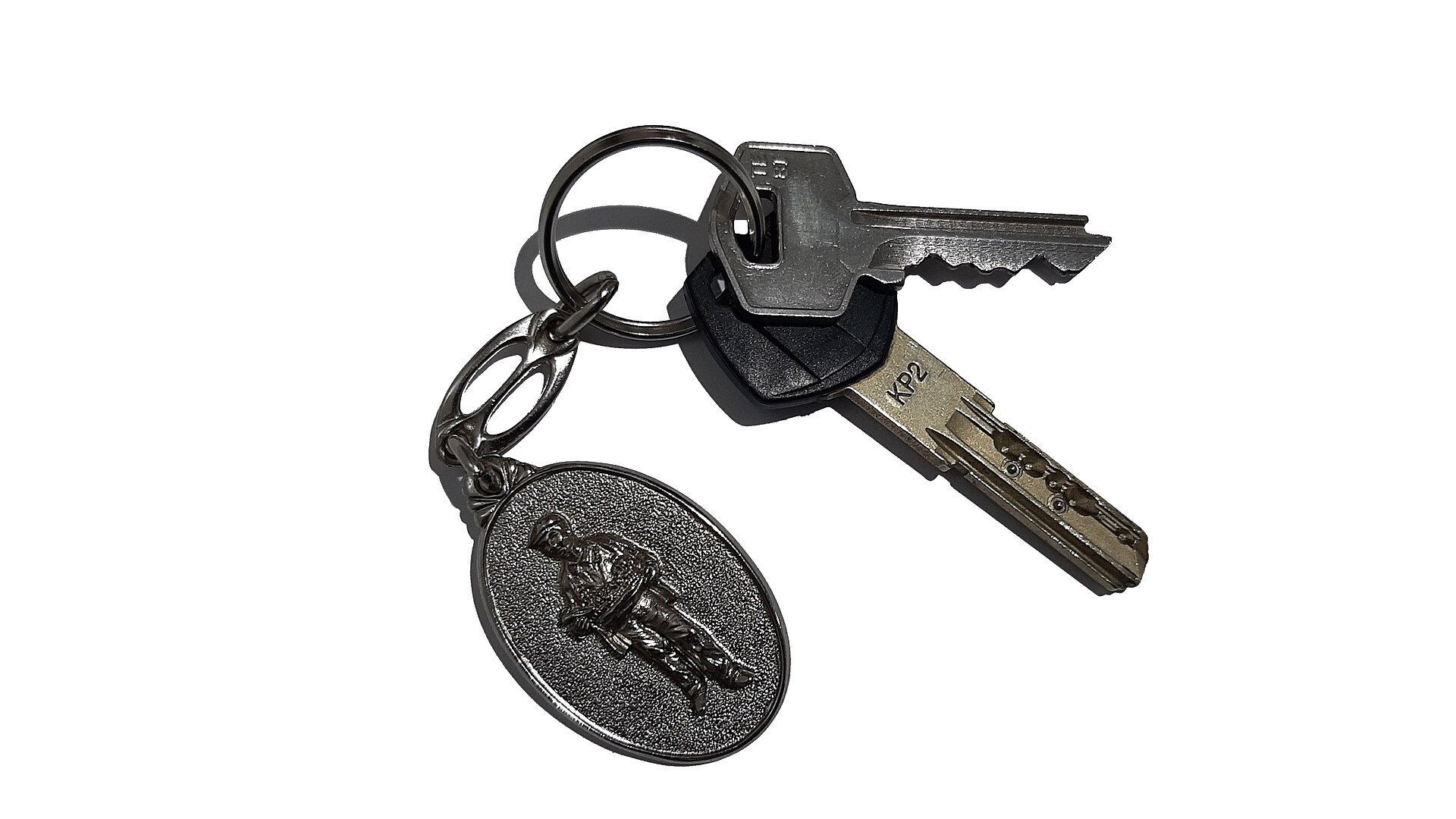
On closing day, the lawyers exchange funds and documents, then register the transfer and your new mortgage electronically. Once that’s done, your lawyer releases the keys to you.
What problems can a lawyer catch before closing?
Most closings are smooth. When something goes wrong, it’s usually something a lawyer was hired to spot. Common issues include:
- Liens and unpaid debts registered against the property, such as construction liens.
- Property tax arrears that would otherwise become your problem.
- Open permits or work orders for unfinished or unapproved work.
- Easements and rights of way that limit how you use the lot.
- Encroachments, like a neighbour’s fence or garage over the line.
- Rental contracts on furnaces, water heaters or air conditioners that you’d take over.
We cover these in more detail in our guide to common title problems in bungalows.
How does the money move on closing day?
Buyers and sellers never hand money directly to each other. Here’s the usual flow:
- Your deposit goes into the listing brokerage’s trust account soon after your offer is accepted.
- Your lender sends your mortgage funds to your lawyer’s trust account.
- You send the rest of your down payment and closing costs to your lawyer’s trust account.
- Your lawyer sends the balance to the seller’s lawyer, who pays off the seller’s mortgage.
- Both lawyers confirm, the deal registers, and keys are released.
This trust system protects everyone. It’s also why you should be careful with emails asking you to wire money. Always call your lawyer’s office at a number you already know to confirm any payment instructions.
Land transfer tax: your lawyer handles it
Ontario charges land transfer tax on every purchase, and your lawyer calculates and pays it at registration. For a single-family home, the provincial rate rises in brackets, reaching 2.0% on the portion between $400,000 and $2,000,000.
If you’re a first-time buyer, your lawyer can claim the Ontario refund of up to $4,000. In the City of Toronto, they also handle the municipal land transfer tax and the Toronto first-time buyer rebate of up to $4,475. Homes in Mississauga, Brampton or Vaughan don’t pay the Toronto tax.
Want to estimate yours? Try our land transfer tax and mortgage calculators or read our guide to land transfer costs in Ontario.
Bungalow tip: Buying an older bungalow with a basement apartment? Ask your lawyer to check for open permits and whether the unit is registered with the city. It matters for insurance, financing and resale.
What do real estate legal fees include?
Lawyers usually quote a fee for their work plus disbursements, which are out-of-pocket costs like title searches, registration fees and courier charges. Title insurance is often a separate line. Prices vary, so compare a few quotes and ask what’s included.
| Cost item | What it covers |
|---|---|
| Legal fee | The lawyer’s time to review, prepare and close the deal |
| Disbursements | Searches, registration and other out-of-pocket costs |
| Title insurance | Protection against certain title defects and fraud |
| Land transfer tax | Provincial tax, plus Toronto’s municipal tax inside the city |
A low headline fee can grow once disbursements are added. Ask for an all-in estimate in writing.
Frequently asked questions
Can I close a house purchase without a lawyer in Ontario?
In practice, no. Ontario purchases are registered electronically through lawyers, and lenders require a lawyer to act on the mortgage.
When should I hire a real estate lawyer?
Line one up before you start making offers. That way, they can review a conditional agreement quickly and have time to search title before closing.
Can the same lawyer act for the buyer and the seller?
Ontario rules limit this, and it’s rarely a good idea. Most buyers and sellers each hire their own lawyer so each side gets independent advice.
The bottom line
Your lawyer is the person who makes sure you get clean ownership, your money lands in the right place and your taxes and refunds are handled correctly. That’s a lot of protection on the largest purchase most people make.
This article is general information, not legal advice. Talk to an Ontario real estate lawyer about your own purchase, and see our guide on how to find a good real estate lawyer.
Bungalows for sale in Toronto right now
Live listings from the area this article covers.
 $1,398,80074 Navaho Drive, Toronto3+4 bed · 3 bath · Pleasant ViewCourtesy of HOMELIFE LANDMARK REALTY INC.
 $2,990,00061 Highland Crescent, Toronto2+1 bed · 2 bath · Bridle Path-Sunnybrook-York MillsCourtesy of RE/MAX REALTRON BARRY COHEN HOMES INC.
 $1,299,00085 Pegasus Trail, Toronto4+2 bed · 3 bath · WoburnCourtesy of iCloud Realty Ltd.
 $849,9005 Bradbrook Road, Toronto3 bed · 2 bath · Islington-City Centre WestCourtesy of RE/MAX PROFESSIONALS INC.
 $1,248,00036 Kamloops Drive, Toronto3+1 bed · 3 bath · Pleasant ViewCourtesy of RE/MAX REALTY SPECIALISTS INC.
 $1,080,00051 Rothsay Avenue, Toronto2+1 bed · 2 bath · Stonegate-QueenswayCourtesy of HARVEY KALLES REAL ESTATE LTD.