Rural living in Ontario offers more land, privacy and quiet, while urban living gives you shorter trips to work, shops, schools and hospitals. The right choice depends on your commute, budget, stage of life and how much home maintenance you’re willing to take on. Country homes also come with systems, like wells and septic tanks, that city buyers need to understand before they buy.
Key takeaways
- Rural homes often offer bigger lots, but you’ll drive more for almost everything.
- Wells, septic systems and propane or oil heat need inspections and ongoing care.
- Urban homes trade space for convenience, transit and municipal services.
- Hybrid work has made rural and small-town living realistic for more GTA households.
What’s the difference between rural and urban living?
Urban living means a city or large town, with municipal water and sewer, regular garbage pickup, sidewalks, transit and services close by. In the GTA, that includes Toronto, Mississauga, Brampton, Vaughan and the built-up parts of Durham and Halton.
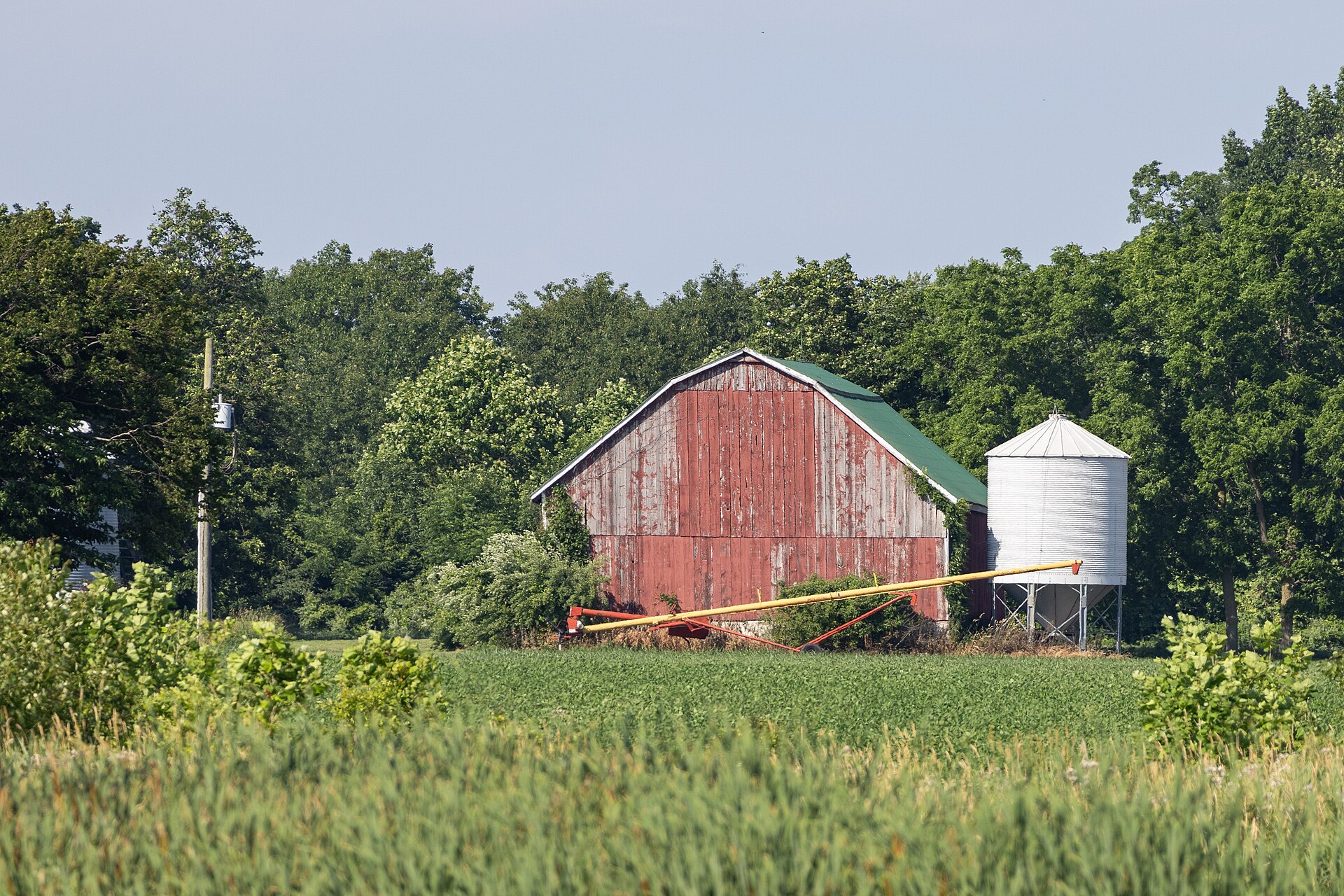
Rural living means the countryside or a small hamlet. Lots are larger, homes are farther apart, and you usually rely on a car. Areas like Caledon, King, Scugog, Uxbridge, Mono and much of Simcoe County offer this lifestyle within driving distance of the city.
Many buyers land in between: a small town like Orangeville, Port Perry or Bradford that has a main street and services but a rural feel.
Rural vs urban living: side-by-side comparison
| Factor | Rural | Urban |
|---|---|---|
| Lot size | Large, often measured in acres | Smaller, especially in older areas |
| Water and sewer | Private well and septic system | Municipal services |
| Commute | Longer drives, few transit options | Shorter trips, transit available |
| Internet | Can be limited, check providers | Usually fast and reliable |
| Privacy and quiet | High | Lower, more neighbours and traffic |
| Services | Schools, stores and hospitals farther away | Close by |
| Snow clearing | Long driveways, rural roads | Shorter driveways, city plows |
| Home maintenance | More systems to manage yourself | Fewer private systems |
The pros of rural living
- Space: room for gardens, workshops, pets, a pool or a detached garage.
- Privacy: fewer neighbours and less noise.
- Nature: trails, conservation areas, dark night skies and wildlife.
- Lifestyle: room for hobbies like gardening, small-scale farming or horses.
- Bungalow choice: many country homes are ranch-style bungalows, which suit buyers who want everything on one level.
The cons of rural living
- You’ll drive for groceries, school activities and appointments.
- Emergency response times can be longer.
- Internet and cell coverage vary widely, which matters if you work from home.
- More home systems to inspect, maintain and eventually replace.
- Resale can take longer because the buyer pool is smaller.
What city buyers need to know about rural homes
Wells
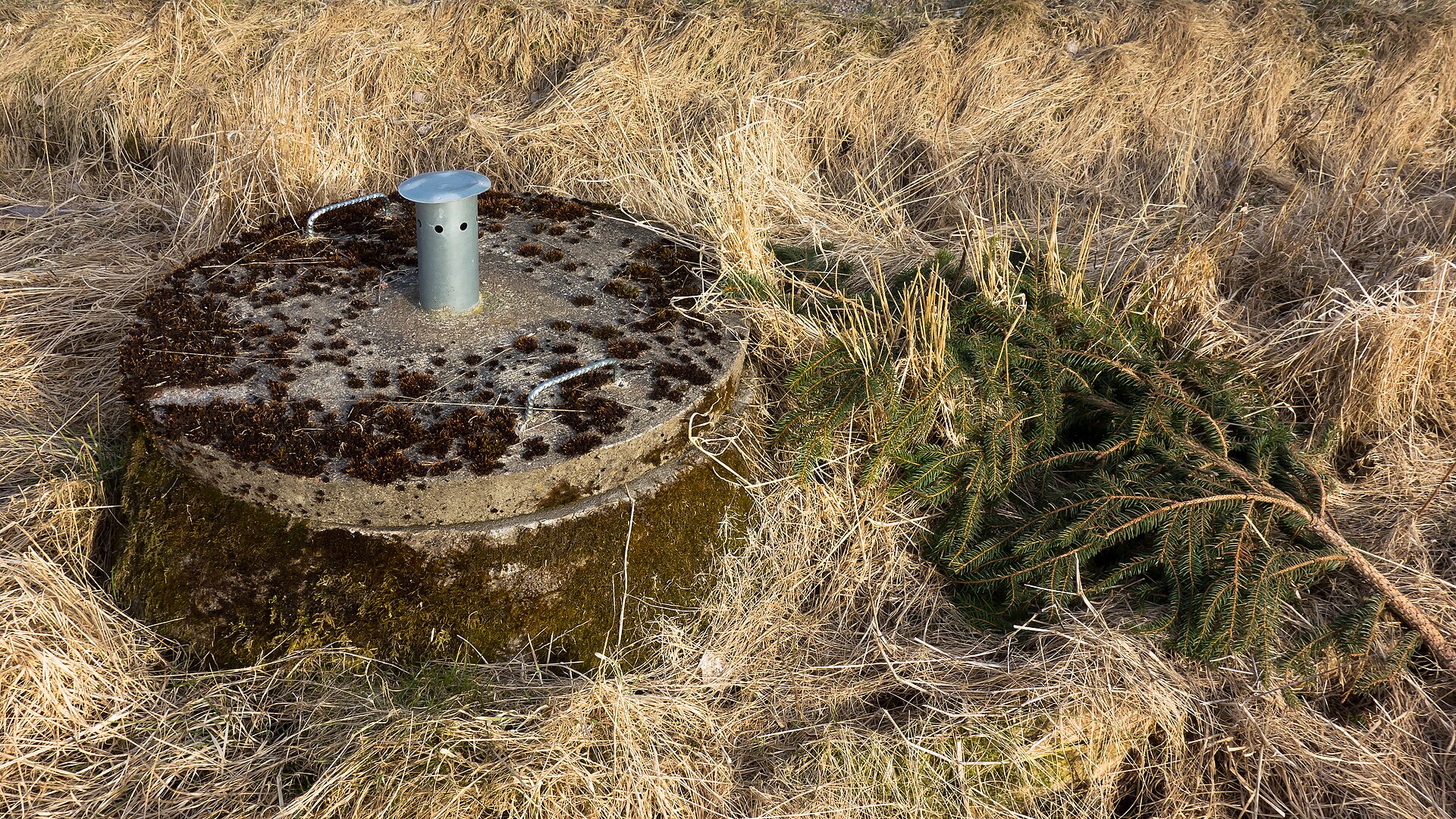
A private well supplies your water. Before you buy, have the water tested for bacteria and quality, and ask about the flow rate. Many buyers make their offer conditional on satisfactory water testing.
Septic systems
Wastewater goes to a septic tank and bed on your property. A septic inspection, ideally with the tank pumped, can reveal problems. Replacing a failed septic bed is a major cost, so don’t skip this step.
Heating
Some rural homes use propane, oil or wood instead of natural gas. Ask about fuel costs, tank age and ownership, and insurance requirements for oil tanks and wood stoves.
Zoning and land use
Rural properties may be subject to conservation authority rules, agricultural zoning or limits on building. If you plan to add a garage, pool or second unit, check with the municipality before you buy.
Bungalow tip: Get insurance quotes early. Rural homes with wood stoves, oil tanks or long distances from a fire hydrant can cost more to insure. An insurance broker can flag issues before you firm up your offer.
The pros and cons of urban living
City living puts everything close by. You can walk or take transit to work, school and shops, and municipal services handle water, sewer and garbage. That’s a real advantage as you age, which is why many downsizers move from the country into a city bungalow.
The trade-offs are smaller lots, more noise and higher prices per square foot. In Toronto, you’ll also pay the municipal land transfer tax on top of Ontario’s land transfer tax. That tax doesn’t apply in surrounding cities or rural areas.
How to decide what’s right for you
Ask yourself these questions:
- How many days a week do I need to commute, and how far?
- Do I want to spend weekends on yard work and home systems?
- How close do I need to be to family, schools and healthcare?
- Will this location still work for me in ten years?
- Is reliable internet available at the address?
Then spend a weekday and a weekend in each area you’re considering. Drive the commute at rush hour and in winter if you can.
Frequently asked questions
Is it cheaper to live in a rural area of Ontario?
Purchase prices per acre are usually lower, but driving, heating fuel and home system upkeep can offset some savings. Compare your full monthly costs, not just the price.
Do rural homes need special inspections?
Yes. Along with a standard home inspection, buyers usually arrange well water testing, a septic inspection and sometimes a check of oil or propane tanks.
Can I get a mortgage on a rural property?
Usually, yes, but lenders may have rules about large acreage, outbuildings or private water and septic systems. A mortgage agent can tell you which lenders fit the property.
The bottom line
Rural vs urban living comes down to space versus convenience. Both can be great, as long as you go in with clear eyes about the costs, the commute and the upkeep.
Explore country properties in Caledon, Scugog or Simcoe Region, or compare city options in the Toronto region. Our buyer’s guide covers each step of the purchase.
Bungalows for sale in Toronto, Caledon and Scugog
Live listings from the places in this article.
 $699,0007 Twenty Second Street, Toronto3+3 bed · 3 bath · Long BranchCourtesy of RE/MAX PREMIER INC.
 $945,000257 John Tabor Trail E, Toronto3+2 bed · 2 bath · MalvernCourtesy of RE/MAX ATRIUM HOME REALTY
 $1,299,00025 Field Crest Road, Caledon2+2 bed · 3 bath · InglewoodCourtesy of RIGHT AT HOME REALTY
 $1,225,00026 Larry Street, Caledon3+1 bed · 2 bath · Caledon EastCourtesy of SUMMIT REALTY EXPERTS INC.
 $729,900118 Alva Street, Scugog3+1 bed · 2 bath · Port PerryCourtesy of Right At Home Realty
 $1,098,000236 Summit Drive, Scugog5+2 bed · 4 bath · Rural ScugogCourtesy of BAY STREET GROUP INC.