
A net zero renovation upgrades an existing home so it produces as much energy as it uses over a year. For a bungalow, that usually means a deep energy retrofit: sealing and super-insulating the shell, replacing gas equipment with heat pumps, adding balanced ventilation, then installing enough solar to cover the remaining demand. It is a big project, but many owners stage it over several years.
Key takeaways
- A net zero renovation is a series of upgrades, not a single product.
- Cutting energy demand comes first; solar comes last.
- Bungalows have simple shapes and big roofs that suit deep retrofits.
- You can stage the work over years by timing it with planned repairs.
Is a net zero renovation realistic for an older bungalow?
For many homes, yes. Postwar GTA bungalows often have simple rectangular footprints, gable roofs and accessible attics. Those features make it easier to add insulation and fit solar panels than on a complex two-storey home.
The challenges are real, though. Older bungalows may have low insulation, leaky basements, aging wiring and small electrical panels. A net zero plan has to deal with each one.
If you only want to know what net zero means, start with our explainer on what a net zero home is. This guide focuses on how to get an existing house there.
The net zero renovation roadmap
- Energy audit and modelling. An energy advisor measures air leakage and models how each upgrade would change your home’s energy use.
- Air sealing. Seal the attic floor, rim joists, plumbing and wiring holes, and window and door frames.
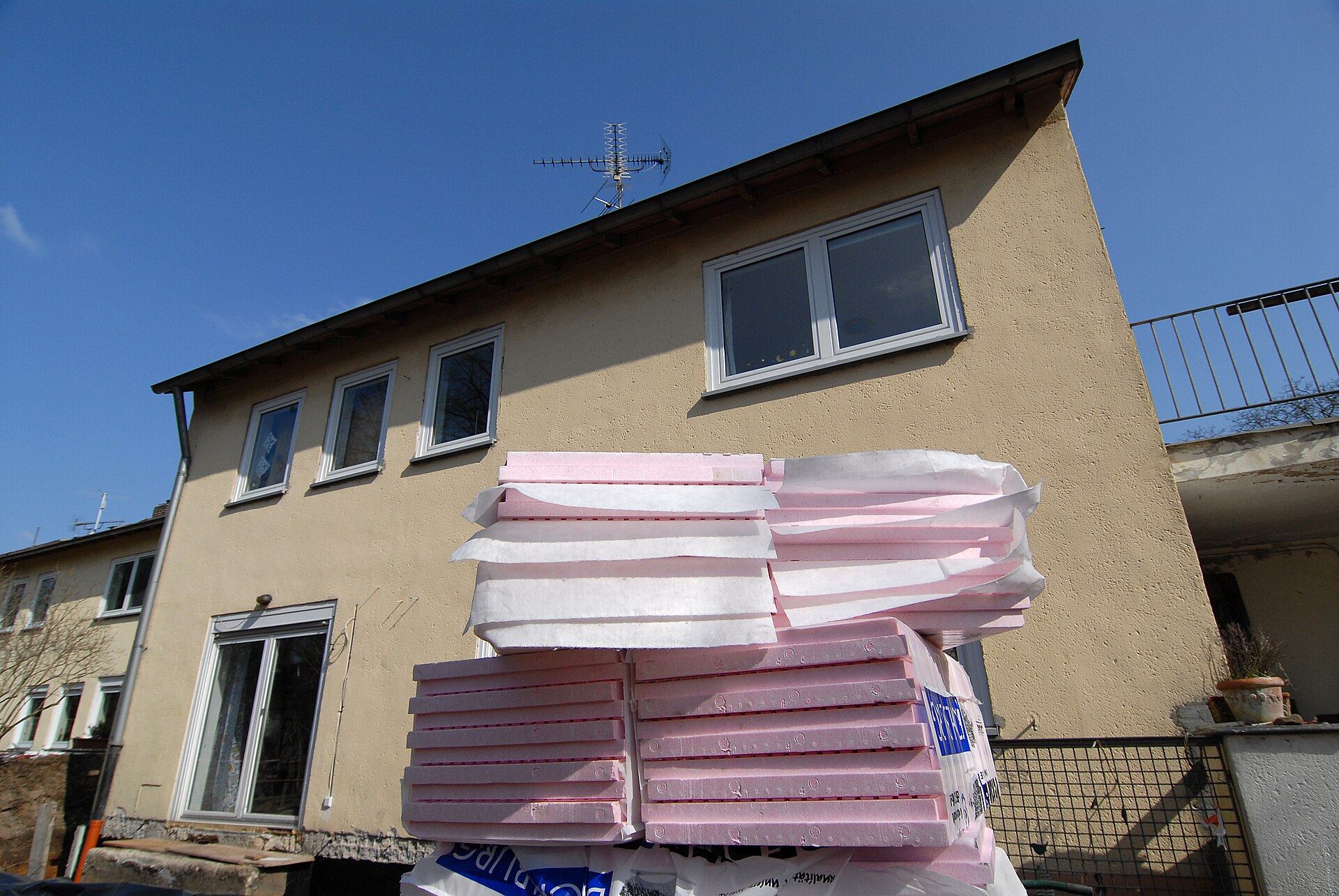
- Insulation. Add deep attic insulation, insulate basement walls and upgrade wall insulation, often from the outside during re-siding.
- Windows and doors. Replace with high-performance units, usually triple-pane.
- Ventilation. Add an HRV or ERV so the tighter house gets steady fresh air.
- Heating, cooling and hot water. Switch to a cold-climate heat pump and a heat pump water heater.
- Electrical upgrade. Confirm your panel can handle heat pumps, an EV charger and solar.
- Solar panels. Size the array to cover the home’s new, much lower energy use.
Bungalow tip: Ask your energy advisor to model the full net zero package first, even if you will do it in stages. That way each step fits the final plan.
Staging the work over time
Most owners cannot do everything at once. Timing upgrades with work you already need keeps costs down.
| Trigger | Net zero upgrade to bundle in |
|---|---|
| Roof replacement | Attic air sealing, more insulation, solar-ready wiring |
| Siding replacement | Exterior wall insulation and a new air barrier |
| Basement finishing or second unit | Basement wall and slab insulation, flood protection |
| Furnace or AC failure | Cold-climate heat pump |
| Water heater replacement | Heat pump water heater |
| Window failures | High-performance replacement windows |
For a broader look at sequencing, read our guide to energy efficient home renovations.
Key challenges and how to handle them
Moisture
Making an old house airtight changes how moisture moves. Poorly detailed insulation can trap water in walls. Hire contractors experienced in deep retrofits, and always install mechanical ventilation.
Basements
Fix water problems before insulating. Grading, gutters, a sump system and a backwater valve come first.
Electrical capacity
Going all-electric with a heat pump, induction range and EV charger can exceed an older panel’s capacity. An electrician can assess whether you need an upgrade.
Living through the work
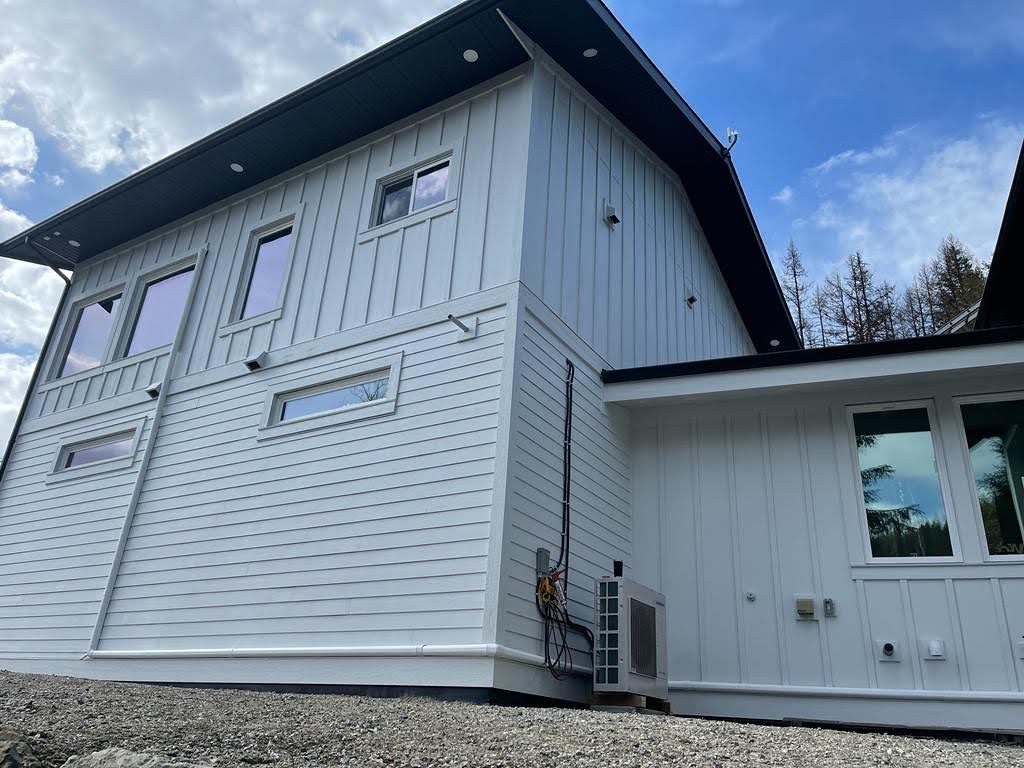
Interior insulation jobs are disruptive. Exterior work is often easier to live with in a bungalow because every room is on one level and accessible from outside.
Costs, financing and value
A full net zero renovation is a major investment, and costs vary widely by house size, condition and contractor. Rebates and green financing programs appear and change often, so check current federal, provincial and utility options before you begin.
Some owners use home equity to fund the work. Our post on upgrading your bungalow using home equity covers the options, and a mortgage agent can tell you what you qualify for.
A net zero home can appeal to buyers who value comfort and low bills, but there is no guaranteed resale premium. Keep the energy reports, invoices and solar data organized to help buyers and appraisers see the value.
Questions to ask contractors
- How many deep energy retrofits have you completed?
- Will you do a blower-door test before and after?
- How will you manage moisture in the walls and basement?
- Who designs the ventilation and heat pump sizing?
- What warranties cover the work?
Bungalow tip: If you are buying a bungalow to renovate, factor the net zero plan into your offer. Our fixer-upper bungalows page is a good place to look for homes with solid bones and simple shapes.
Frequently asked questions
How long does a net zero renovation take?
Done all at once, a deep retrofit can take several months. Many owners stage it over years, timing each step with roof, siding or equipment replacements.
Do I have to remove my gas furnace to reach net zero?
Most net zero plans switch to electric heat pumps because solar can then offset that use. Some owners keep a gas furnace as backup during the transition, which makes full net zero harder.
Can a bungalow with a basement suite be net zero?
Yes, but two households use more energy, so the solar array and heating system must be sized for both units. Model it with your energy advisor.
The bottom line on net zero renovations
Turning an older bungalow into a net zero home is ambitious but achievable. Start with an audit and a full plan, fix the shell before the systems, and add solar last.
Curious how a deep retrofit might affect your home’s value? Request a free home evaluation and we can talk through how upgrades show up in today’s market.
The newest bungalows on the market
Fresh listings, updated every 15 minutes.
 $819,9002409 Whaley Drive, Mississauga3 bed · 2 bath · CooksvilleCourtesy of SUTTON GROUP - SUMMIT REALTY INC.
 $839,900145 Emma Street, Guelph3 bed · 2 bath · General HospitalCourtesy of Royal LePage Royal City Realty
 $829,90019 Palton Avenue, Kanata3 bed · 2 bath · 9008 - Kanata - Morgan's Grant/South MarchCourtesy of ROYAL LEPAGE TEAM REALTY
 $825,000353 County 25 Road, Greater Napanee3 bed · 2 bath · 58 - Greater NapaneeCourtesy of RE/MAX HALLMARK FIRST GROUP REALTY LTD. , BROKERAGE
 $1,500,00097 Estelle Avenue, Toronto3+4 bed · 7 bath · Willowdale EastCourtesy of RE/MAX REALTRON REALTY INC.
 $450,0004925 SAINT CLAIR Avenue, Niagara Falls1 bath · 210 - DowntownCourtesy of RE/MAX Real Estate Centre Inc