The best place to put a home office in a bungalow is usually a spare main-floor bedroom, because it has a door, a window and distance from the kitchen. If you do not have a spare room, a finished basement, a converted closet, a dining room nook or a backyard studio can all work. The right choice depends on your hours, your calls and how much quiet you need.
Key takeaways
- A spare bedroom with a door is the best all-round office spot.
- Basements offer quiet and space but need good lighting and dry conditions.
- Closet offices and nooks work for part-time or occasional use.
- Backyard studios give the most separation but need permits and servicing.
- Think about noise, natural light and your video call background.
What to consider before choosing a spot
Bungalows put the bedrooms, kitchen and living room on one floor, often close together. That makes noise and separation the main challenges. Before you pick a room, ask:
- How many hours a week will you work from home?
- Do you take frequent video calls or confidential calls?
- Will two people need offices at the same time?
- Do you need storage for files, samples or equipment?
- Does anyone sleep during your working hours, like a baby or shift worker?
The 7 best home office locations in a bungalow
1. Spare main-floor bedroom
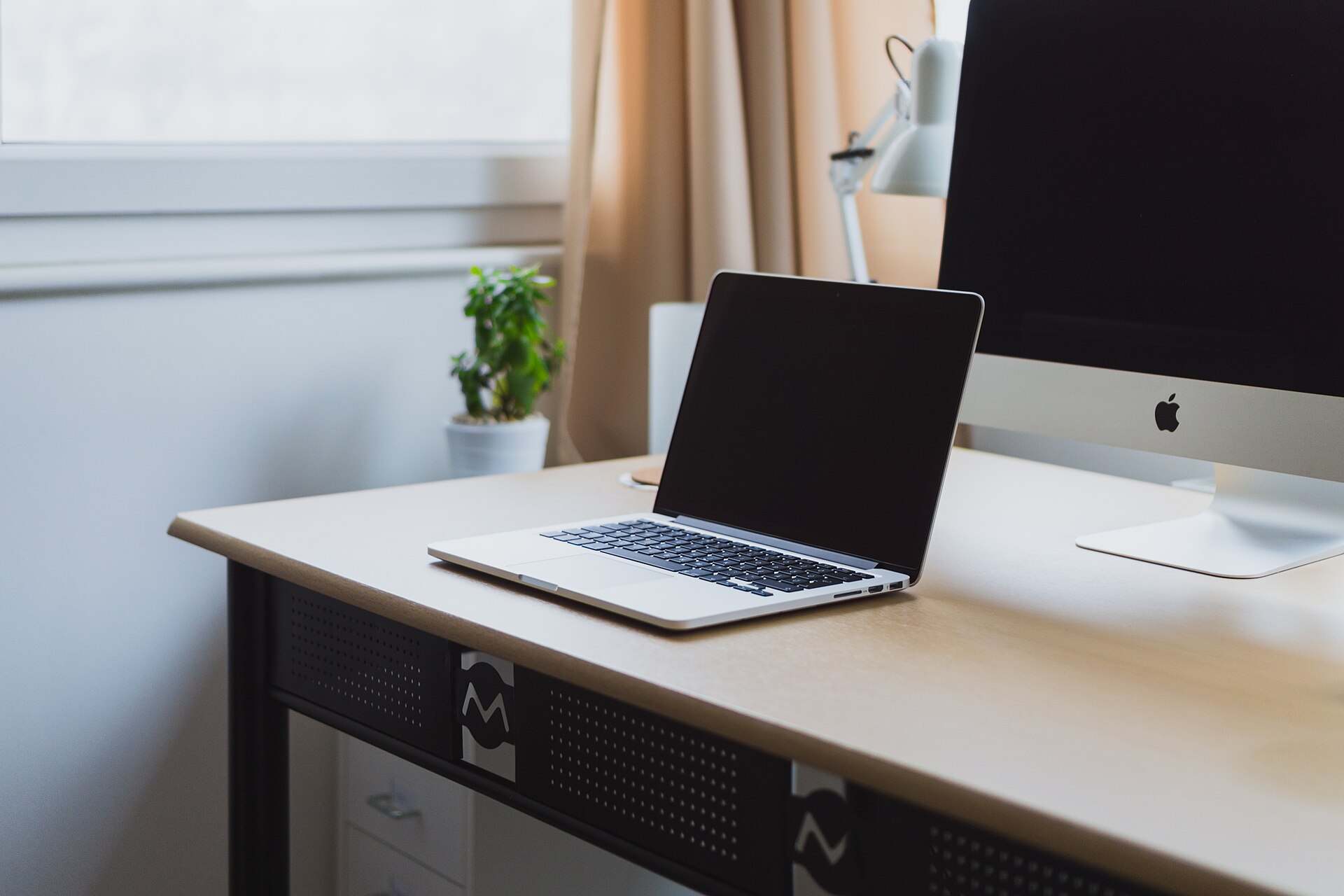
The top choice for full-time remote workers. You get a door to close, a window for light and air, and easy access to the kitchen. Place the desk so you face the window or a side wall, not with the window behind you on calls.
2. Finished basement room
Basements are quieter and often larger. They work well for people who want their office far from household activity. Add bright, layered lighting, and check for dampness. In a raised bungalow, the lower level gets bigger windows and feels like a main-floor room.
3. Converted closet (“cloffice”)
A reach-in closet in a spare room or hallway can fit a built-in desk, shelves and a light. It is ideal for part-time use, and you can close the doors at the end of the day.
4. Dining room or living room nook
Many bungalows have a separate dining room that rarely gets used. A desk or built-in along one wall turns it into a shared workspace. Noise from the kitchen is the trade-off.
5. Bungaloft loft
In a bungaloft, the loft is a natural office: separate from the main floor but still part of the house. Open lofts can carry sound, so a closed loft works better for calls.
6. Sunroom or enclosed porch
Bright and pleasant, but often hard to heat in winter and hot in summer. Check insulation and heating before relying on it year-round.
7. Backyard office or studio
A detached office gives you a real commute across the yard and full separation. It needs power, often heat and internet, and usually a building permit depending on size and use. Check your municipality’s zoning by-law first.
Home office options compared
| Location | Quiet | Natural light | Setup cost | Best for |
|---|---|---|---|---|
| Spare bedroom | Good | Good | Low | Full-time remote work |
| Basement room | Very good | Low to medium | Low to medium | Focus work, larger setups |
| Closet office | Fair | Depends on room | Low | Part-time use |
| Dining nook | Fair | Good | Low | Occasional use |
| Bungaloft loft | Fair to good | Good | Low | Separation without stairs to a basement |
| Sunroom | Good | Excellent | Medium if heating needed | Seasonal or mild-weather work |
| Backyard studio | Excellent | Good | High | Full separation, client meetings |
Bungalow tip: In a three-bedroom bungalow, use the bedroom farthest from the kitchen and front door for your office. Bungalow hallways are usually central, so that room is often the quietest.
Making the space work
Once you pick a spot, set it up for comfort and focus:
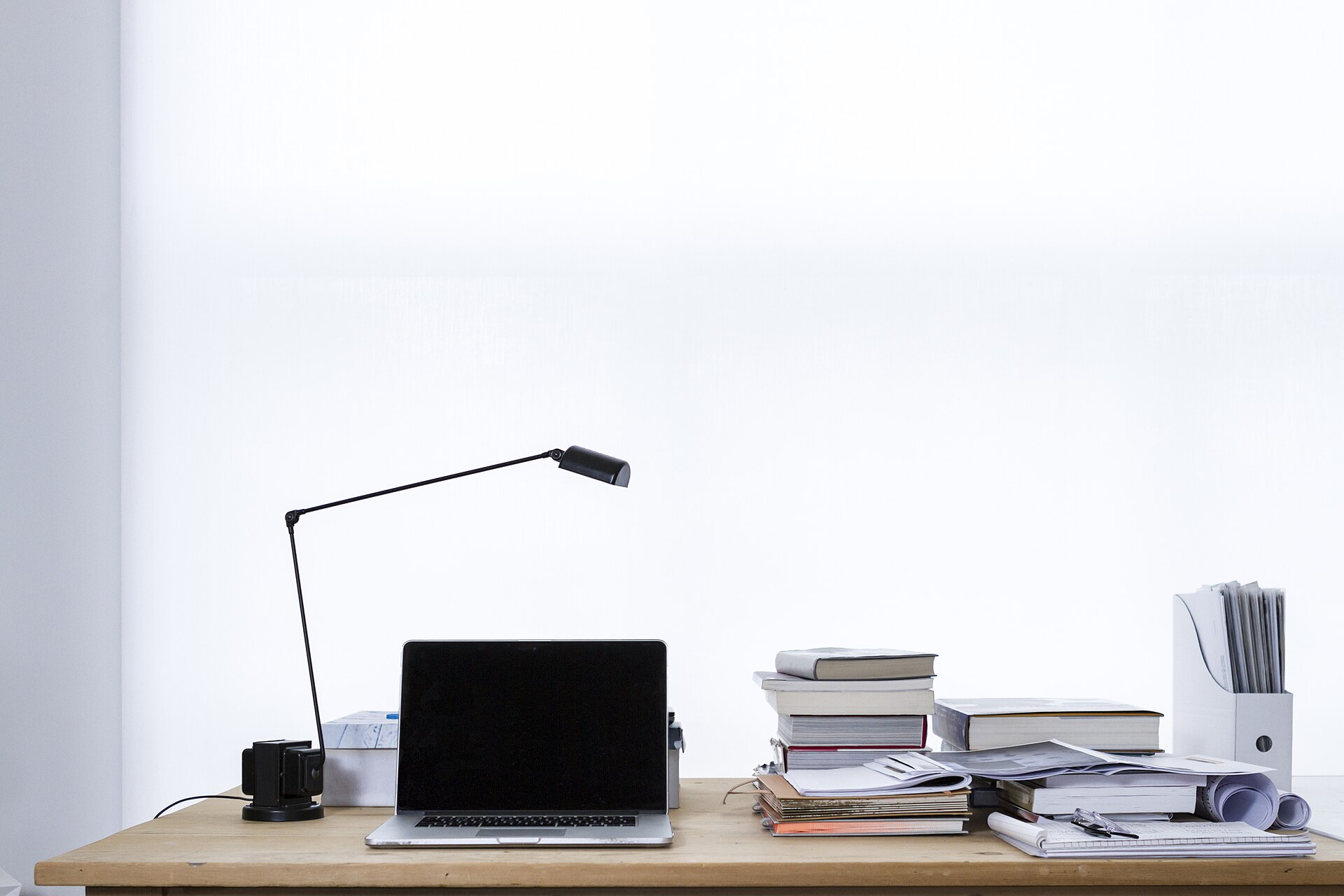
- Use an adjustable chair and a desk at the right height.
- Put your screen at eye level and about an arm’s length away.
- Add a rug and curtains to soften echo for calls.
- Plan outlets and internet before you buy furniture.
- Keep the video call background tidy and simple.
For the tech side, read our smart home office setup guide. For focus and routine, see our home office productivity tips.
Home office and taxes
If you are self-employed or your employer requires you to work from home, you may be able to claim some home office expenses. The rules depend on your situation and change over time. Ask an accountant before you set up the space, since a dedicated room can matter.
Buying a bungalow with a home office in mind
If remote work is permanent, look for a bungalow with one more bedroom than you need, a dry finished basement or a bungaloft. Browse bungalofts for sale, and set up listing alerts for homes with the extra space you want.
Frequently asked questions
Is a basement a good place for a home office?
It can be, especially for quiet focus. Make sure it is dry, well lit and has a strong Wi-Fi signal or a wired connection.
Do I need a permit for a backyard office?
Often, yes, depending on size, use and services like power and heating. Check your municipality’s zoning by-law and building permit rules before you build.
Can a closet really work as an office?
Yes, for part-time or light use. Add a built-in desk, shelves and good lighting, and make sure there is an outlet nearby.
The bottom line on bungalow home offices
Choose the spot that matches how you work: a spare bedroom for full-time use, a basement for quiet, a nook for occasional work or a backyard studio for full separation. Then set it up for light, comfort and sound.