
Climate-responsive home design means shaping a house around the weather it actually faces, instead of fighting that weather with bigger furnaces and air conditioners. For an Ontario bungalow, that comes down to five things: which way the house faces, how the roof sheds sun and snow, how well the shell is sealed and insulated, how the windows perform, and how water moves away from the foundation.
Key takeaways
- Orientation and roof overhangs do a lot of free heating and cooling work.
- A one-storey bungalow has a large roof and foundation, so insulation and air sealing there matter most.
- Window placement should welcome low winter sun and block high summer sun.
- Grading, gutters and the basement are your defence against heavy rain and spring melt.
- Many of these ideas work as renovations, not just new builds.
What does climate-responsive design mean in Canada?
Canada is not one climate. A bungalow in Barrie deals with heavy lake-effect snow, while one in Hamilton or Niagara sees longer, more humid summers. Climate-responsive design starts by asking what your specific site needs most.
In most of southern Ontario, the answer is a home that holds heat in long winters, stays cool without running the AC nonstop in July, and keeps water out of the basement during spring melt and summer downpours.
The good news is that a bungalow is a strong starting point. Its compact, single-level shape is easy to heat evenly, and there are no hot upper floors to fight in summer.
How should a bungalow face the sun?
Orientation is the cheapest design decision you will ever make, because it costs nothing at the drawing stage. In Canada, the sun sits low in the southern sky in winter and high overhead in summer.
- South-facing windows bring in warm winter sunlight. Put living rooms and kitchens here when you can.
- North-facing walls get little direct sun. Keep windows smaller and use these walls for closets, laundry and bathrooms.
- West-facing glass causes the worst summer overheating in late afternoon. Limit it or plan for shading.
- East-facing bedrooms get gentle morning light and stay cooler at night.
If you are buying rather than building, check the compass direction of the main windows during showings. It tells you a lot about future comfort and energy bills.
Roof design for snow, sun and rain
A bungalow has more roof per square foot of living space than a two-storey home. That makes the roof a big part of how the house handles weather.
Overhangs and eaves
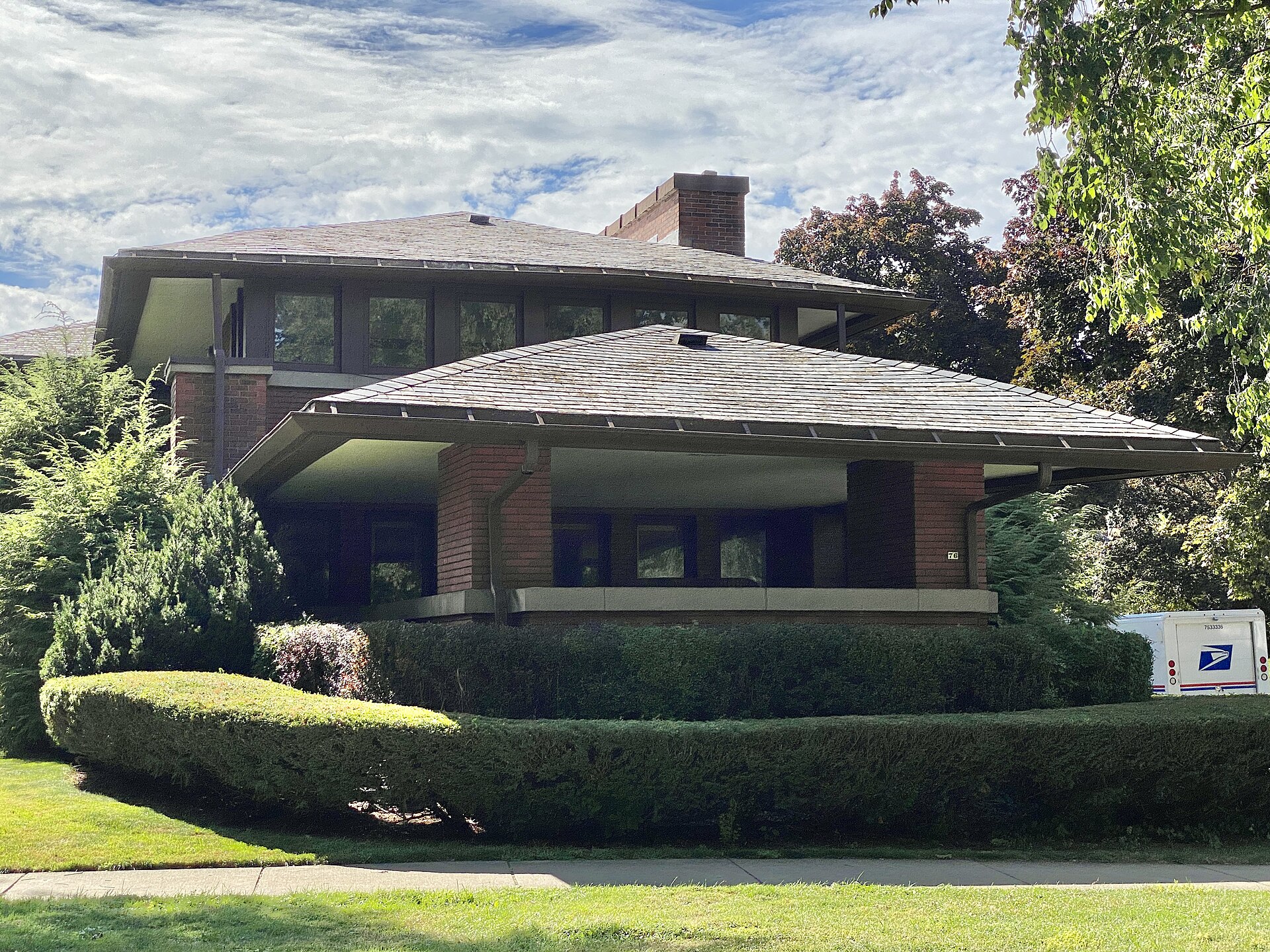
Deep eaves on the south side shade windows from high summer sun but let low winter sun reach inside. They also keep rain off walls and window frames, which helps siding and trim last longer.
Pitch and snow load
Steeper roofs shed snow more easily, while low-slope roofs need framing rated for heavy snow loads. In snow-belt areas like Simcoe County, your designer must meet the Ontario Building Code requirements for your location.
Ventilation and ice dams
Ice dams form when warm air leaks into the attic and melts snow, which then refreezes at the cold eaves. Good attic insulation, air sealing and soffit-to-ridge ventilation keep the roof deck cold and prevent this.
Insulation, air sealing and windows
Because a bungalow spreads out on one level, it has a large attic and a large foundation. Those two areas are where most heat escapes in older homes.
| Area | Common problem in older bungalows | Climate-responsive fix |
|---|---|---|
| Attic | Thin, compressed insulation; leaky ceiling fixtures | Air seal first, then top up insulation |
| Basement walls | Bare concrete or minimal insulation | Insulate walls with moisture-safe materials |
| Windows | Old double-pane or aluminum frames | High-performance double- or triple-pane units with low-e coatings |
| Rim joists | Drafty gaps above the foundation | Seal and insulate with spray foam or rigid board |
An energy audit with a blower-door test shows exactly where your home leaks. Our guide to EnerGuide ratings for bungalows explains how those audits work.
Bungalow tip: Air sealing the attic floor is often the best-value upgrade in a one-storey home. Do it before adding insulation, or the warm air keeps escaping.
Managing water: grading, gutters and basements
Ontario’s climate brings freeze-thaw cycles, fast spring melts and intense summer storms. A climate-responsive bungalow moves water away quickly.
- Grade soil so it slopes away from the foundation on all sides.
- Size gutters and downspouts for heavy rain, and extend downspouts well away from the walls.
- Add a backwater valve and a reliable sump system where the lot needs it.
- Choose drought-tolerant plants and permeable surfaces so rain soaks in instead of pooling.
If you are unsure how a sump system works, read our plain-English guide on what a sump pump does.
Can you make an existing bungalow more climate-responsive?
Yes. You cannot rotate a house, but you can improve almost everything else. Many GTA bungalows built from the 1950s to the 1970s have solid bones and simple shapes that renovate well.
- Add exterior shading, awnings or deciduous trees on the south and west sides.
- Replace failing windows with better-performing units, starting with the worst rooms.
- Upgrade attic insulation and ventilation during a roof replacement.
- Switch to a heat pump for efficient heating and cooling in one system.
Bungalow tip: When you compare listings, ask for recent utility bills. A well-built, well-sited bungalow often shows it in lower monthly costs.
If you are shopping now, browse bungalows for sale across Ontario and use our compare homes tool to weigh age, updates and features side by side.
Frequently asked questions
Is a bungalow more energy efficient than a two-storey house?
It depends on the build. A bungalow has a larger roof and foundation for its size, but it heats evenly and avoids hot upper floors, so good insulation makes it very efficient.
What is the best direction for a house to face in Ontario?
Ideally, the main living areas and largest windows face south to capture winter sun. Shading on south and west windows keeps summer heat under control.
Do I need a permit to change my roof or windows?
Like-for-like window and roof replacements often do not need one, but structural changes, new openings and additions usually do. Check with your municipality’s building department before you start.
What climate upgrade gives the best value in an older bungalow?
For most older bungalows, attic air sealing and insulation give the best return. An energy audit will confirm the right priority for your home.
The bottom line on designing for Canadian weather
Climate-responsive design is common sense applied carefully: face the sun, shade the summer, seal the shell and send water away. A bungalow’s simple shape makes all of this easier, whether you are building new or upgrading a 1960s classic.
If you want a home that is already comfortable through every season, set up new-listing email alerts and we will send you bungalows that match your search.
The newest bungalows on the market
Fresh listings, updated every 15 minutes.
 $525,00041 Fox Trail Drive, St. Catharines3 bed · 2 bath · 462 - Rykert/VansickleCourtesy of RE/MAX NIAGARA REALTY LTD, BROKERAGE
 $459,9001737 2nd Street W, Cornwall3+1 bed · 2 bath · 717 - CornwallCourtesy of RE/MAX AFFILIATES MARQUIS LTD.
 $938,00052 Devins Drive, Aurora3 bed · 2 bath · Aurora HeightsCourtesy of REAL ONE REALTY INC.
 $349,900109 Powerview Avenue, St. Catharines3 bed · 1 bath · 458 - Western HillCourtesy of ROYAL LEPAGE NRC REALTY
 $999,00022 Avondale Crescent, Aurora4 bed · 3 bath · Aurora VillageCourtesy of RE/MAX HALLMARK REALTY LTD.
 $819,9002409 Whaley Drive, Mississauga3 bed · 2 bath · CooksvilleCourtesy of SUTTON GROUP - SUMMIT REALTY INC.