
Blending architectural styles means combining ideas from different design traditions into one home that still feels unified. Canadian bungalows have done this from the start, mixing British, American, Asian and European influences with our own climate needs. The key is to pick one main style for the bones and borrow a few details from others with care.
Key takeaways
- The bungalow itself is a cross-cultural design with roots outside Canada.
- Pick one main style for the exterior and layout, then layer in accents.
- Materials, colour and rooflines do most of the work in a blended look.
- Many GTA homes now adapt layouts to how different families cook and gather.
The bungalow was a fusion style from the start
The word “bungalow” traces back to South Asia, where it described a low, one-storey house with a wide verandah. British builders brought the idea home, and it spread to North America in the late 1800s and early 1900s.
By the time bungalows reached Ontario, they had picked up Arts and Crafts details, then mid-century modern lines after the Second World War. Each wave left its mark on the homes you see in older Toronto, Hamilton and Mississauga neighbourhoods today. Our post on the history of the bungalow tells that story in more detail.
Common design influences in Canadian bungalows
| Influence | Signature features | Where you see it in Ontario |
|---|---|---|
| Craftsman / Arts and Crafts | Low gables, exposed rafters, tapered porch columns, built-ins | Older Toronto and Hamilton streets |
| Mid-century modern | Low-pitched roofs, long horizontal lines, big windows | Post-war suburbs across the GTA |
| Prairie style | Strong horizontal bands, wide overhangs, grouped windows | Custom builds and renovations |
| Japanese-inspired | Natural wood, simple lines, garden views, sliding screens | Interior renovations and landscaping |
| Scandinavian | Light woods, white walls, cozy textiles, practical layouts | Modern interior refreshes |
| Mediterranean | Stucco, arches, tile roofs or accents, warm tones | Some 1970s–90s suburban homes |
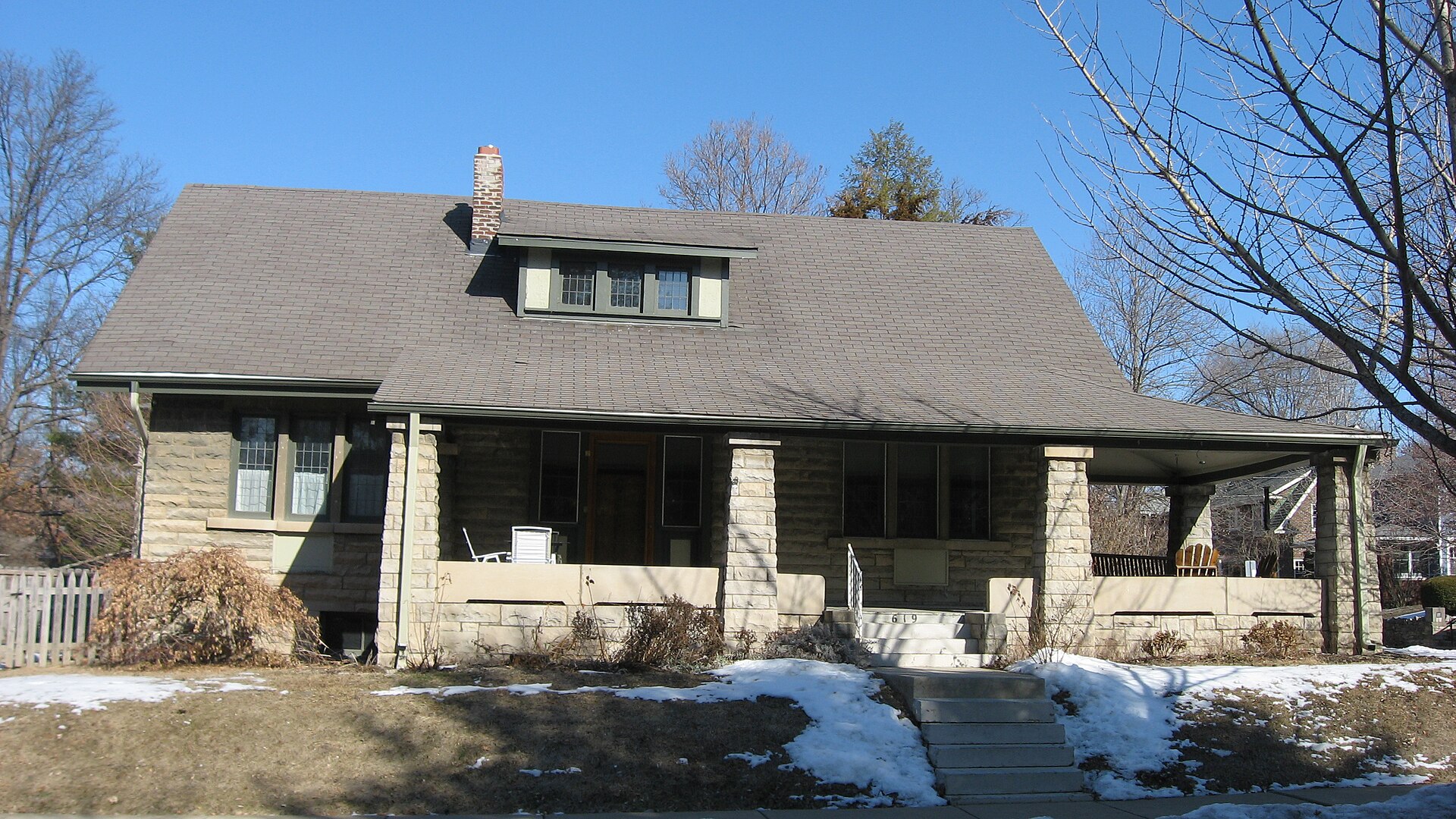
For a closer look at the shapes these homes take, see our guide to architectural varieties of Canadian bungalows.
How families shape the modern GTA bungalow
The GTA is one of the most diverse regions in the world. That shows up in how people use their homes, not just how they decorate them.
- Second kitchens. Some buyers want a secondary or “spice” kitchen for heavy cooking, keeping the main kitchen tidy for guests.
- Multigenerational layouts. Separate entrances and finished basements let parents, grandparents and adult kids share a home with privacy.
- Formal and casual spaces. Some families want a formal living room for guests plus a family room for everyday life.
- Prayer or quiet rooms. A small den or flex room can serve as a calm space for reflection.
None of these needs depend on one culture. They reflect how real households live. A bungalow’s wide footprint and full basement make it easy to adapt.
How to blend styles without a clash
Mixing styles works best when there is a clear plan. Use these steps before you renovate or decorate.
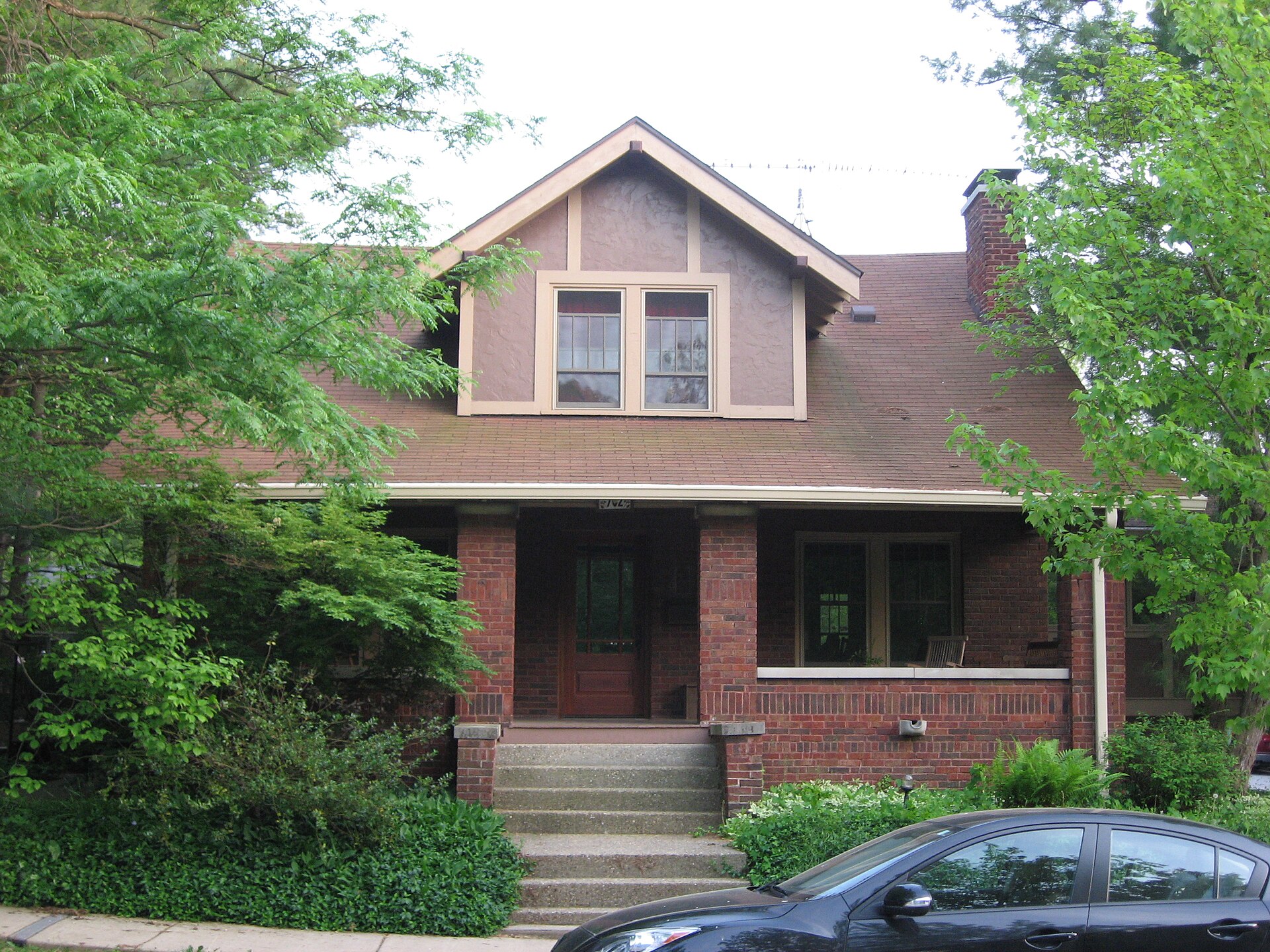
- Choose an anchor style. Let the home’s existing roofline and structure guide the main look.
- Limit your palette. Pick two or three main materials, like wood, stone and plaster, and repeat them.
- Repeat shapes. If you add an arch, echo it in a mirror or doorway elsewhere.
- Keep colour calm. A neutral base lets mixed details stand out without competing.
- Mix in layers. Start with fixed elements, then furniture, then textiles and art.
Bungalow tip: The exterior is the hardest to change and the most visible to buyers. Save bold mixing for interiors, landscaping and décor, and keep the outside consistent.
Borrowing respectfully from other traditions
Design inspiration is part of how architecture grows. Still, some symbols and objects carry deep meaning for the people they come from. A little care goes a long way.
- Learn the story behind a pattern, object or style before you use it.
- Buy art and crafts from the makers or communities they come from when you can.
- Focus on design principles, like natural light or garden views, rather than copying sacred items.
- Work with designers who know the tradition you admire.
Does a blended style affect resale value?
A well-done mix of styles can make a home memorable. A confusing mix can make buyers wonder what they need to redo. The safest approach is to keep big-ticket items, like the roof, siding and kitchen layout, broadly appealing.
Personal touches in paint, furniture and art are easy to change. If you plan to sell in the next few years, a free home evaluation can show how buyers in your area value different upgrades.
Frequently asked questions
Where does the word bungalow come from?
It comes from South Asia, where it described a low house in the Bengal style. The British adopted the word and the design, which then spread across North America.
Can I mix modern and traditional styles in a bungalow?
Yes. Many owners keep a traditional exterior and modernize the interior with open spaces, clean lines and updated finishes. Repeating a few materials ties the two together.
What is a spice kitchen?
It is a small secondary kitchen, often near the main one, used for heavy cooking. It keeps strong smells and mess away from the main kitchen and living area.
Do I need a permit to change my bungalow’s exterior style?
Cosmetic changes often don’t need a permit, but structural work, additions and some exterior changes do. Heritage areas may have extra rules, so check with your municipality first.
The bottom line
Canadian bungalows have always borrowed ideas from around the world. Pick one anchor style, repeat a few materials and add accents thoughtfully, and your home will feel both personal and unified.
Looking for a home with the right bones for your style? Browse all bungalows for sale across the GTA and Ontario.
Bungalows for sale in Toronto and Hamilton
Live listings from the places in this article.
 $1,500,00097 Estelle Avenue, Toronto3+4 bed · 7 bath · Willowdale EastCourtesy of RE/MAX REALTRON REALTY INC.
 $699,0007 Twenty Second Street, Toronto3+3 bed · 3 bath · Long BranchCourtesy of RE/MAX PREMIER INC.
 $945,000257 John Tabor Trail E, Toronto3+2 bed · 2 bath · MalvernCourtesy of RE/MAX ATRIUM HOME REALTY
 $949,99918 Highland Park Drive, Hamilton3+1 bed · 2 bath · DundasCourtesy of SUTTON GROUP - SUMMIT REALTY INC.
 $749,000173 Woodhaven Place, Hamilton4 bed · 2 bath · RushdaleCourtesy of RE/MAX EXCEL TITAN
 $498,00065 Ainslie Avenue, Hamilton3+2 bed · 2 bath · Ainslie WoodCourtesy of HOMELIFE LANDMARK REALTY INC.