The smartest energy efficient home renovations follow a clear order: get an energy audit, seal air leaks, add insulation, upgrade windows and doors, then replace heating and cooling with right-sized, efficient equipment. Doing it in that sequence matters, because a tighter, better-insulated bungalow needs a smaller, cheaper system.
Key takeaways
- Start with an energy audit so you spend money where it counts.
- Fix the building shell before you replace the furnace or AC.
- In a bungalow, the attic and basement are usually the biggest opportunities.
- Time upgrades with work you already need, like a new roof or siding.
Why older bungalows are great candidates
Many GTA bungalows were built between the 1950s and 1970s, when insulation levels were low and air sealing was rare. They often have original single-storey attics, uninsulated basement walls and aging windows.
The upside is that their simple shape makes upgrades easier. A one-level attic is straightforward to insulate, and there are fewer complicated rooflines than in larger homes.
Future-proofing also means planning for how you will live in the home years from now. You may add an electric vehicle, a basement suite or a heat pump. Each of those changes your electrical and heating needs, so it pays to think ahead.
Common signs your bungalow needs energy work include:
- Cold floors and drafty rooms in winter.
- Icicles and ice dams along the eaves.
- Condensation or frost on the inside of windows.
- A furnace that runs constantly on cold days.
- Rooms that overheat in summer even with the AC on.
Step 1: Get a home energy audit
A certified energy advisor uses a blower-door test and a full walk-through to find where your home loses heat. You get a report that ranks upgrades and gives your home an efficiency rating.
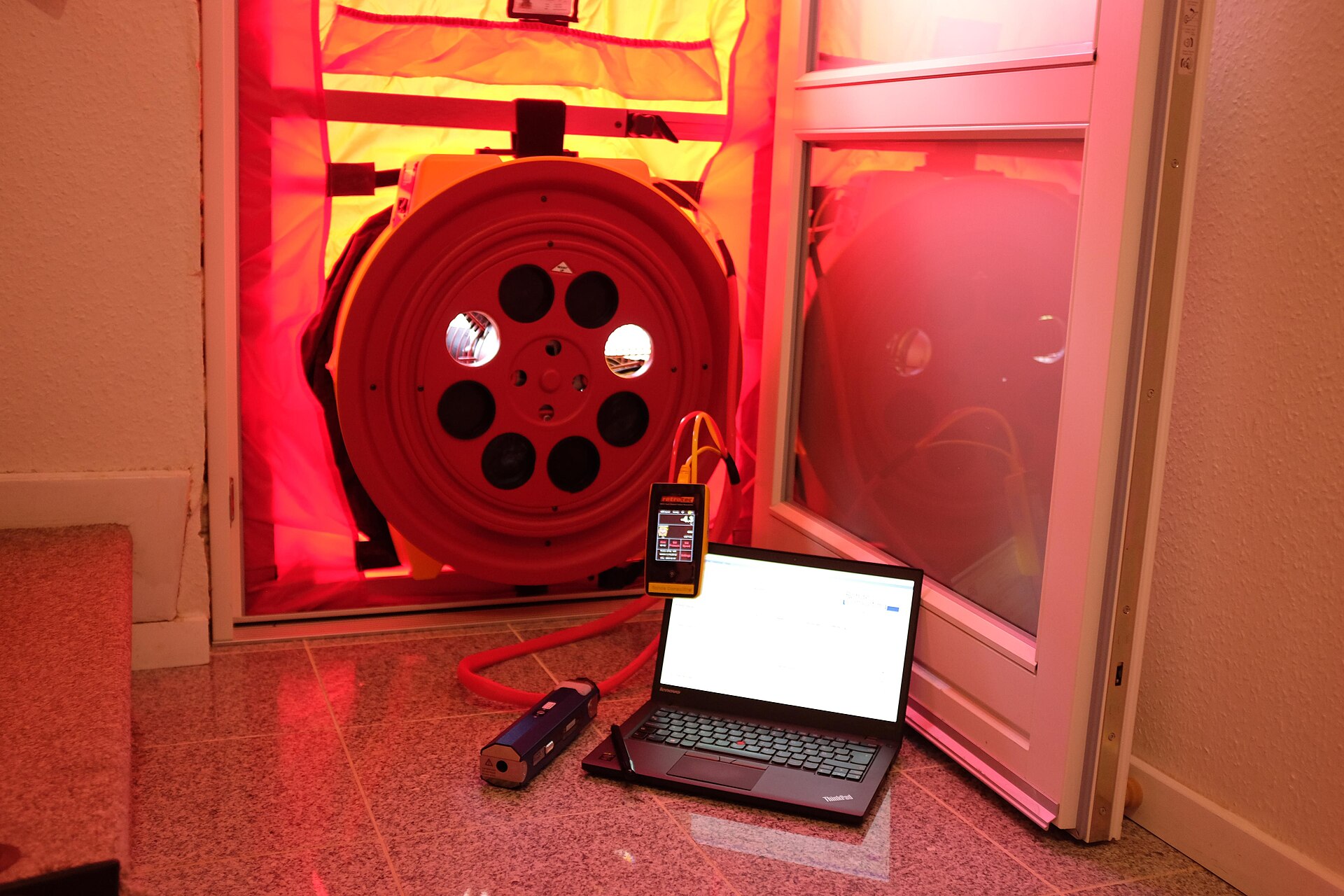
Rebate programs often require an audit before and after the work, so book it first. Our guide to EnerGuide ratings for bungalows explains what the numbers mean. Programs change often, so check current federal, provincial and utility offers before you start.
Step 2: Seal the leaks and insulate
Attic
Seal gaps around light fixtures, plumbing stacks and the attic hatch, then add insulation. In a bungalow, the attic covers the whole home, so this one job touches every room.
Basement and rim joists
Insulating basement walls and sealing the rim joist area stops cold floors and drafts. Use moisture-safe materials, and fix any water problems first.
Walls
Older walls can be insulated with blown-in material, or with exterior insulation when you replace siding. Exterior work avoids disturbing finished interiors.
Bungalow tip: Planning a basement apartment or rec room? Insulate and air seal the walls before drywall goes up. It is far cheaper now than later.
Step 3: Windows and doors
Windows are a big expense, so replace them strategically. Start with the draftiest, oldest or most condensation-prone units, often in bedrooms and north-facing rooms.
When you replace basement windows, check whether they meet egress requirements, especially if you might add a second unit. Our guide on egress windows explains the basics, and how often to change your windows helps you judge timing.
Step 4: Heating, cooling and hot water
Once the shell is tighter, your heating and cooling needs drop. That is the right moment to replace equipment.
- Cold-climate heat pumps provide efficient heating and air conditioning in one system.
- Heat pump water heaters cut water heating costs compared with standard electric tanks.
- HRVs or ERVs bring in fresh air once the house is airtight.
- Smart thermostats fine-tune the new system.
Ask your HVAC contractor for a proper heat-loss calculation rather than simply matching the old furnace size.
Prioritizing upgrades by cost and impact
| Upgrade | Typical cost level | Impact on comfort and bills | Good time to do it |
|---|---|---|---|
| Air sealing | Low | High | Anytime; before insulation |
| Attic insulation | Low to medium | High | With a re-roof or anytime |
| Basement insulation | Medium | Medium to high | Before finishing the basement |
| Windows and doors | High | Medium | When units fail or during re-siding |
| Heat pump | High | High | When the furnace or AC nears end of life |
Costs vary widely by home and contractor, so get at least three written quotes for each job.
Paying for energy upgrades
Some owners fund upgrades through savings, available rebates or financing from their lender. If you have built equity, our post on upgrading your bungalow using home equity outlines options. Talk to a mortgage agent before borrowing against your home.
Bungalow tip: Keep every invoice, audit and product sheet in one folder. When you sell, that record helps buyers understand the value of your upgrades.
Frequently asked questions
What is the first energy upgrade I should do in an older bungalow?
Book an energy audit, then start with air sealing and attic insulation. They usually offer the biggest comfort gain for the money in a one-storey home.
Should I replace my furnace before insulating?
Ideally, no. Improve the shell first so the new system can be sized smaller, unless your current furnace has failed or is unsafe.
Do energy upgrades increase a bungalow’s value?
They can make a home more appealing and cheaper to run, but there is no guaranteed dollar return. Documented upgrades tend to help most when buyers can see the results in utility bills.
The bottom line on future-proofing your bungalow
Treat energy renovations as a plan, not a shopping list. Audit, seal, insulate, upgrade windows, then right-size your systems, and you will get a warmer, quieter bungalow with lower bills.
Curious how your upgrades affect what your home is worth? Get a free home evaluation from our team.
The newest bungalows on the market
Fresh listings, updated every 15 minutes.
 $819,9002409 Whaley Drive, Mississauga3 bed · 2 bath · CooksvilleCourtesy of SUTTON GROUP - SUMMIT REALTY INC.
 $839,900145 Emma Street, Guelph3 bed · 2 bath · General HospitalCourtesy of Royal LePage Royal City Realty
 $829,90019 Palton Avenue, Kanata3 bed · 2 bath · 9008 - Kanata - Morgan's Grant/South MarchCourtesy of ROYAL LEPAGE TEAM REALTY
 $825,000353 County 25 Road, Greater Napanee3 bed · 2 bath · 58 - Greater NapaneeCourtesy of RE/MAX HALLMARK FIRST GROUP REALTY LTD. , BROKERAGE
 $1,500,00097 Estelle Avenue, Toronto3+4 bed · 7 bath · Willowdale EastCourtesy of RE/MAX REALTRON REALTY INC.
 $450,0004925 SAINT CLAIR Avenue, Niagara Falls1 bath · 210 - DowntownCourtesy of RE/MAX Real Estate Centre Inc