3D printed homes are built by a large robotic printer that lays down layers of a concrete-like material to form the walls, guided by a digital design. In Canada, the technology has moved from experiments into a small number of pilot and demonstration projects, but it is still early and rare in mainstream housing. Single-storey designs like bungalows are the most common format, because printers work best on simple, ground-level walls.
Key takeaways
- 3D printing usually builds only the walls; roofs, windows and systems are conventional.
- One-storey bungalow shapes are the easiest to print.
- Codes, approvals, financing and insurance are still catching up.
- For most Ontario buyers today, 3D printed homes are something to watch, not shop for.
How does 3D printing a house work?
A 3D printed house starts as a digital model. A large printer, mounted on a frame or a robotic arm, reads that file and extrudes a thick cement-based mix in layers. Each layer firms up enough to support the next.
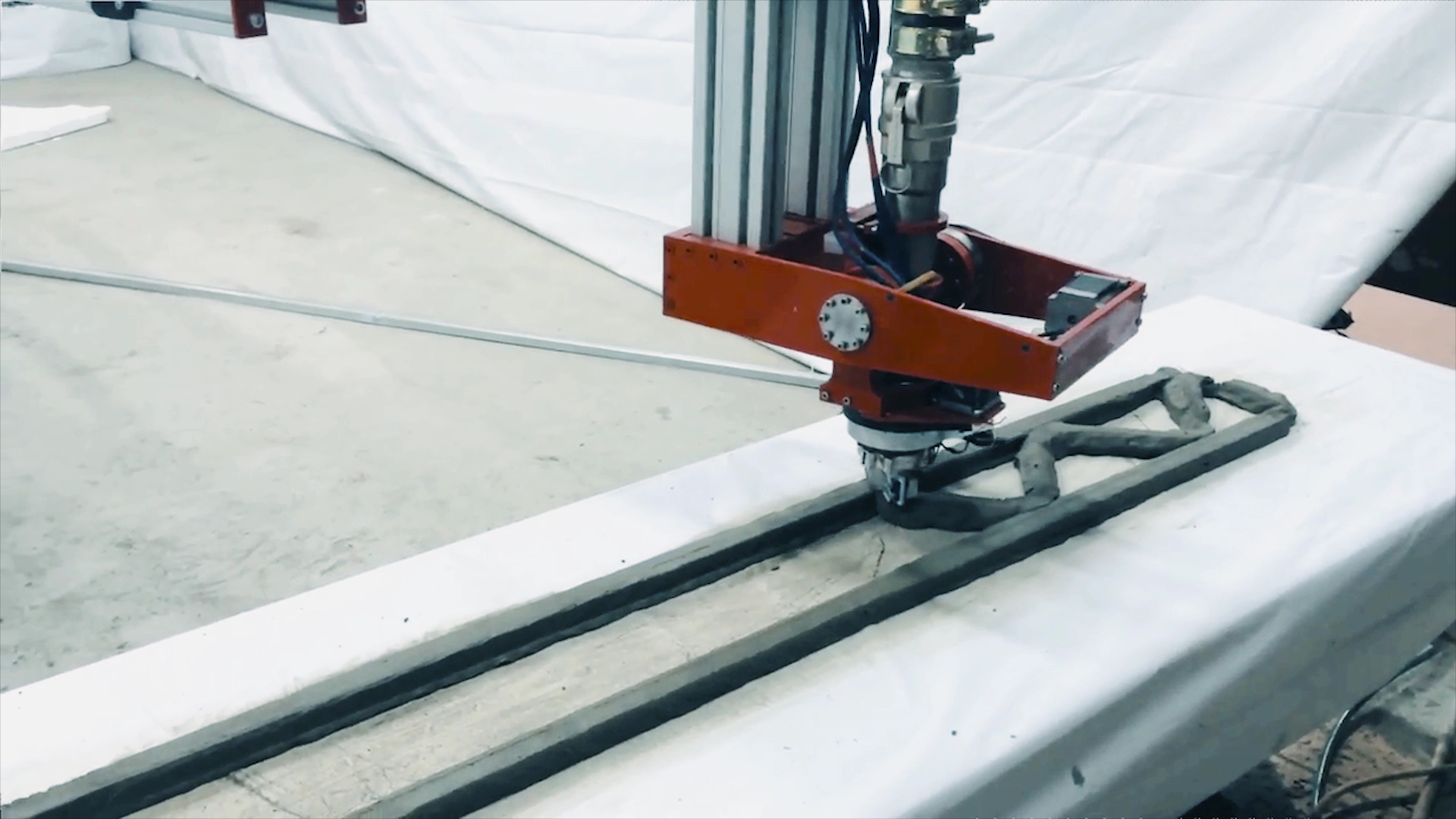
The printer builds the wall shapes, often with hollow cavities for insulation, wiring and plumbing. After printing, crews install conventional parts:
- Foundations, usually poured the traditional way.
- Roof framing and roofing.
- Windows and doors.
- Electrical, plumbing and HVAC systems.
- Interior finishes like drywall, flooring and cabinets.
So a “3D printed home” is really a home with 3D printed walls, plus a lot of traditional construction.
Why bungalows suit 3D printing
Most printing systems work best on single-level structures. Printing upper storeys adds height and engineering challenges for both the printer and the structure. That makes the humble bungalow the natural format for early printed homes.
Bungalow plans also tend to be simple rectangles or L-shapes, which print efficiently. Curved walls, which are hard to frame with wood, are relatively easy for a printer, giving designers new options.
Potential benefits
| Benefit | Why it matters | Reality check |
|---|---|---|
| Faster wall construction | Walls can go up in days rather than weeks | Permits, foundations and finishing still take time |
| Less material waste | Material goes only where the design needs it | Cement-based mixes have their own carbon footprint |
| Fewer labour hours for walls | Helps with construction labour shortages | Skilled operators and trades are still needed |
| Durable walls | Resistant to rot, pests and fire | Long-term performance in Canadian freeze-thaw cycles is still being studied |
| Design flexibility | Curves and custom shapes cost little extra | Custom shapes can complicate furniture and finishes |
The hurdles in Canada
Building codes and approvals
Ontario’s Building Code was written around familiar materials and methods. New wall systems often need engineering reviews or special approvals, which can add time and cost for each project.
Climate
Printing works best in mild weather. Cold temperatures affect how the material cures, so winter printing may need heated enclosures. Walls also need proper insulation and moisture control for Canadian winters.
Financing, insurance and appraisal
Lenders, insurers and appraisers rely on comparable sales and known construction types. With few printed homes on the market, some may be cautious. If you are considering one, speak with a mortgage agent and insurance broker early.
Trades and repairs
Changing a printed wall later, for a new window or renovation, is harder than with wood framing. Fewer contractors have experience working with these systems.
Bungalow tip: If you ever consider an unusual construction method, ask your lender about financing before you sign anything. Approval can depend on how the home is built.
What this means for Ontario buyers today
As of September 2026, 3D printed homes remain a small niche in Canada. Most bungalow buyers in the GTA will be choosing between resale homes and conventional new builds.
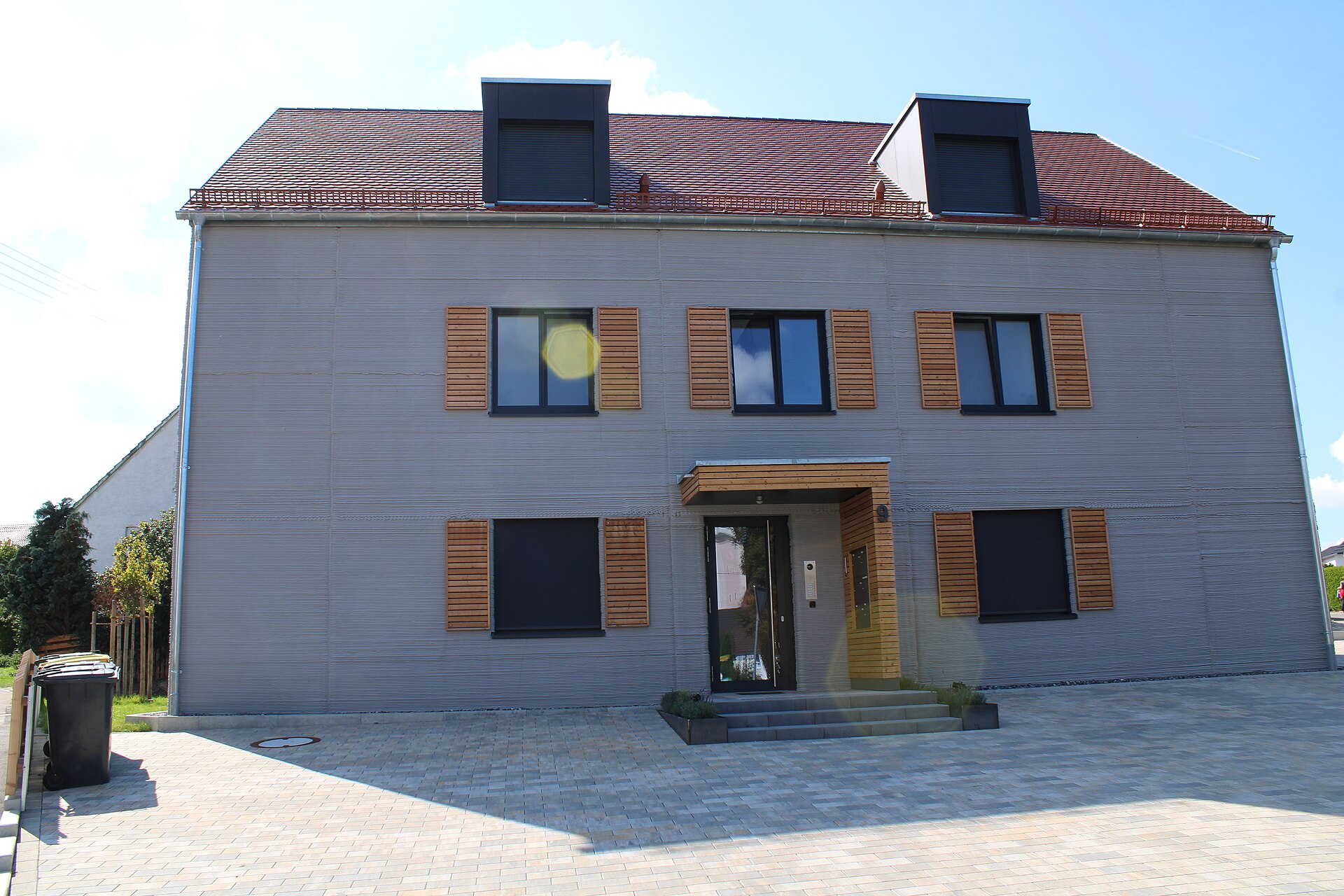
Still, it is worth understanding the trend. Similar factory and automation methods, like panelized walls and modular construction, are already speeding up building. You can read more in our guide to innovative building materials and our related post on how 3D printing affects bungalow construction.
If you are interested in new construction, start with proven options. Our guide to choosing a pre-construction bungalow in the GTA walks through what to check with builders.
Questions to ask about any printed home project
- Has the wall system been approved for use in this municipality?
- Who engineered the structure, and can you see their review?
- How are insulation, vapour control and air sealing handled?
- What warranty covers the walls, and is the home enrolled in Ontario’s new home warranty program?
- Have lenders and insurers already approved similar homes?
- Who can repair or modify the walls in the future?
Bungalow tip: Have a real estate lawyer review any agreement for an unconventional new build. Warranty coverage and approvals should be clearly stated in writing.
Frequently asked questions
Are 3D printed homes legal in Ontario?
They can be built when they meet the Ontario Building Code or receive the required approvals. Each project goes through municipal permits, which may involve extra engineering review.
Are 3D printed homes cheaper?
Printing can reduce wall construction time and labour, but land, permits, foundations, roofs, systems and finishes still make up much of the cost. Savings, if any, vary by project.
Can I get a mortgage on a 3D printed home?
Possibly, but some lenders may be cautious with unfamiliar construction. Talk to a mortgage agent early to understand your options.
The bottom line on 3D printed bungalows
3D printing is a promising way to build walls faster with less waste, and bungalows are its natural fit. For now, it remains early in Canada, with approvals, financing and long-term performance still being worked out.
Ready to buy a bungalow today? Browse bungalows for sale across Ontario and we will help you weigh new and resale options.
The newest bungalows on the market
Fresh listings, updated every 15 minutes.
 $525,00041 Fox Trail Drive, St. Catharines3 bed · 2 bath · 462 - Rykert/VansickleCourtesy of RE/MAX NIAGARA REALTY LTD, BROKERAGE
 $459,9001737 2nd Street W, Cornwall3+1 bed · 2 bath · 717 - CornwallCourtesy of RE/MAX AFFILIATES MARQUIS LTD.
 $938,00052 Devins Drive, Aurora3 bed · 2 bath · Aurora HeightsCourtesy of REAL ONE REALTY INC.
 $349,900109 Powerview Avenue, St. Catharines3 bed · 1 bath · 458 - Western HillCourtesy of ROYAL LEPAGE NRC REALTY
 $999,00022 Avondale Crescent, Aurora4 bed · 3 bath · Aurora VillageCourtesy of RE/MAX HALLMARK REALTY LTD.
 $819,9002409 Whaley Drive, Mississauga3 bed · 2 bath · CooksvilleCourtesy of SUTTON GROUP - SUMMIT REALTY INC.