3D printing in home construction uses a large robotic printer to build walls layer by layer from a concrete-like mix. Single-storey bungalows are the most natural fit, because the printer only needs to reach one level. In Canada, it is still mostly limited to pilot projects, so it is not yet a mainstream option for buyers or builders in Ontario.
Key takeaways
- 3D printers build the walls, not the whole house.
- One-storey bungalows suit the technology better than taller homes.
- Possible benefits include faster wall construction and less material waste.
- Building approvals, financing and insurance are still catching up.
- For now, most Ontario buyers will see this in news stories, not on MLS.
How does 3D printing a house work?
A printer, usually mounted on a frame or a robotic arm, is set up on the building site. It follows a digital design and pushes out a thick cement-based mix in thin layers. Each layer firms up quickly so the next can sit on top.
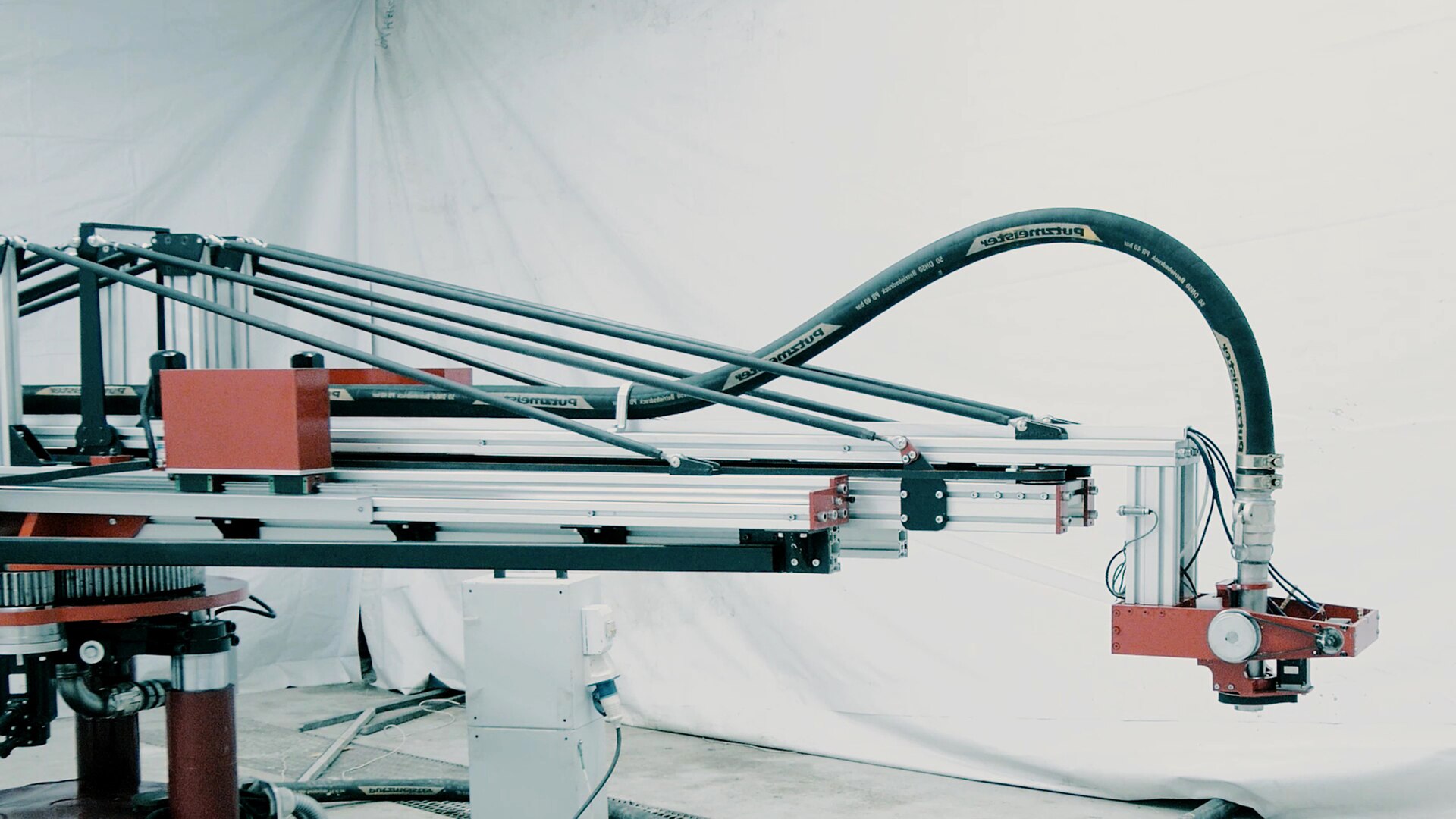
The printer typically builds the exterior walls and some interior walls. People still do the rest.
- Foundations are poured in the usual way.
- Roof framing and roofing are installed by trades.
- Windows, doors, plumbing, electrical and HVAC go in conventionally.
- Insulation is added inside or between printed wall layers.
- Interior finishes, cabinets and flooring are installed as in any home.
Why bungalows are a natural fit
A bungalow’s simple footprint and single level match how today’s printers work best. Printing taller walls for a second storey adds challenges with reach, strength and floor connections.
Bungalows also tend to have straightforward shapes. That makes the digital design and the printing path simpler. Curved walls, which are expensive with wood framing, can be printed with little extra effort, so some printed homes have softer, rounded shapes.
For a refresher on the style itself, see our guide to the different types of bungalows.
Potential benefits of 3D-printed homes
Supporters point to several possible advantages. Many are still being tested on real projects, so treat them as potential rather than proven.
- Speed: wall printing can move quickly once the printer is set up.
- Less waste: material goes only where the design needs it.
- Durability: concrete walls resist rot, pests and fire.
- Fewer labour hours for walls: useful where skilled trades are hard to find.
- Design freedom: curves and custom shapes are easier.
The challenges in Ontario
Ontario’s building system was designed around familiar materials like wood framing, concrete block and poured concrete. New methods take time to fit in.
Approvals and building code
Printed walls may need extra engineering review or special approval from the local building department. That can add time and cost, especially for the first projects in a municipality.
Climate and insulation
Concrete is not a good insulator on its own. Printed walls in Canada need a careful insulation plan to handle cold winters and avoid condensation.
Financing, insurance and resale
Lenders, insurers and appraisers rely on comparable sales. With few printed homes on the market, some may be cautious. Talk to a mortgage agent and insurance broker early if you are considering a non-traditional build.
Renovations and repairs later on
Think about the future owner too. Moving a wall, adding a window or running new wiring through printed concrete takes different tools and skills than working with wood studs. Fewer contractors have that experience today.
Ask how electrical and plumbing runs are placed in the walls, and keep the design drawings with your home records. A future buyer’s home inspector will want to see them.
3D printing vs. other building methods
| Method | How walls are built | Status in Ontario |
|---|---|---|
| Wood framing | Lumber studs built on site | The standard for most new homes |
| Prefab or modular | Panels or modules built in a factory | Available and growing |
| Insulated concrete forms | Foam blocks filled with concrete | Available, common for basements |
| 3D-printed concrete | Printed in layers on site | Pilot and early projects |
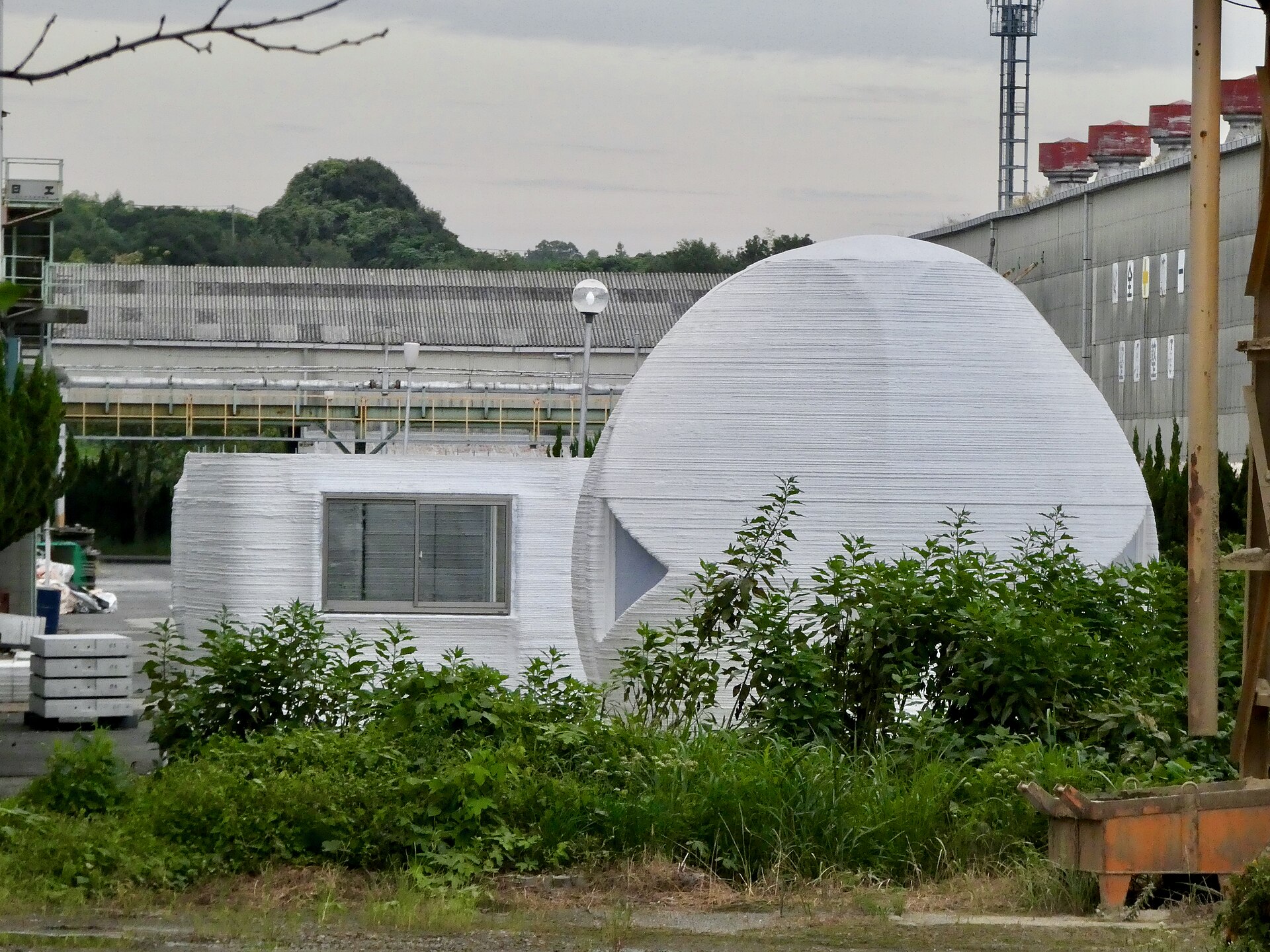
If you want faster or more efficient construction today, prefab and modular builds are the more established choices.
What this means for buyers and builders today
If you are buying a bungalow in the GTA or across Ontario in 2026, you will almost certainly be choosing between resale homes and conventional new builds. A 3D-printed home is unlikely to be a realistic option yet.
If you are planning a custom build, ask your builder or architect:
- What methods they have actually built with in Ontario.
- How the walls meet energy and building code requirements.
- Whether your lender and insurer will accept the method.
- What warranty coverage applies.
Bungalow tip: Weighing a custom build against buying? Our guide to building vs. buying a bungalow breaks down the trade-offs.
Frequently asked questions
Are there 3D-printed homes in Canada?
Yes, a small number of pilot and early projects have been built in Canada. They remain rare, and most are not available on the regular resale market.
Is a 3D-printed house cheaper?
Not necessarily yet. Walls are only one part of a home’s cost, and early projects carry extra engineering and approval costs.
Can you get a mortgage on a 3D-printed home?
It may be possible, but lenders review unusual builds carefully. Speak with a mortgage agent before you commit to any non-traditional construction method.
The bottom line on 3D-printed bungalows
3D printing could make one-storey homes faster and less wasteful to build in the future. Today, it is an interesting experiment rather than a buying option for most Ontario families.
If you want a bungalow now, browse bungalows for sale across Ontario and compare resale and new-build options.
The newest bungalows on the market
Fresh listings, updated every 15 minutes.
 $649,90011 BRISTOW Court, Barrie3+2 bed · 2 bath · Allandale HeightsCourtesy of REALTY WEALTH GROUP INC.
 $749,00011 SWAN Drive, St. Catharines4+3 bed · 3 bath · 461 - Glendale/GlenridgeCourtesy of CENTURY 21 PEOPLE`S CHOICE REALTY INC.
 $3,199,0004958 Wellington Road 125, Erin3+1 bed · 4 bath · Rural ErinCourtesy of ROYAL LEPAGE MEADOWTOWNE REALTY
 $649,900229 Phillip Murray Avenue, Oshawa3+1 bed · 2 bath · LakeviewCourtesy of DAN PLOWMAN TEAM REALTY INC.
 $769,90050 Leonard Road, Tiny3 bed · 2 bath · Rural TinyCourtesy of RE/MAX Georgian Bay Realty Ltd
 $819,900402 South Coast Drive, Haldimand1+2 bed · 2 bath · NanticokeCourtesy of ROYAL LEPAGE BURLOAK REAL ESTATE SERVICES