A learning thermostat watches when you raise or lower the temperature, notices when the house is empty, and builds a heating and cooling schedule for you. In a single-level bungalow with one HVAC zone, it can trim wasted energy and keep rooms more comfortable, as long as your system is compatible and you let it do its job.
Key takeaways
- Learning thermostats save energy mainly by cutting heating and cooling when nobody is home.
- Bungalows suit them well because one thermostat controls one even-temperature floor.
- Check wiring and heat pump compatibility before you buy.
- A cheaper programmable thermostat works fine if your schedule never changes.
How does a learning thermostat work?
A regular programmable thermostat follows the schedule you type in. A learning thermostat creates that schedule itself. For the first week or two, you simply adjust it when you feel too warm or too cold.
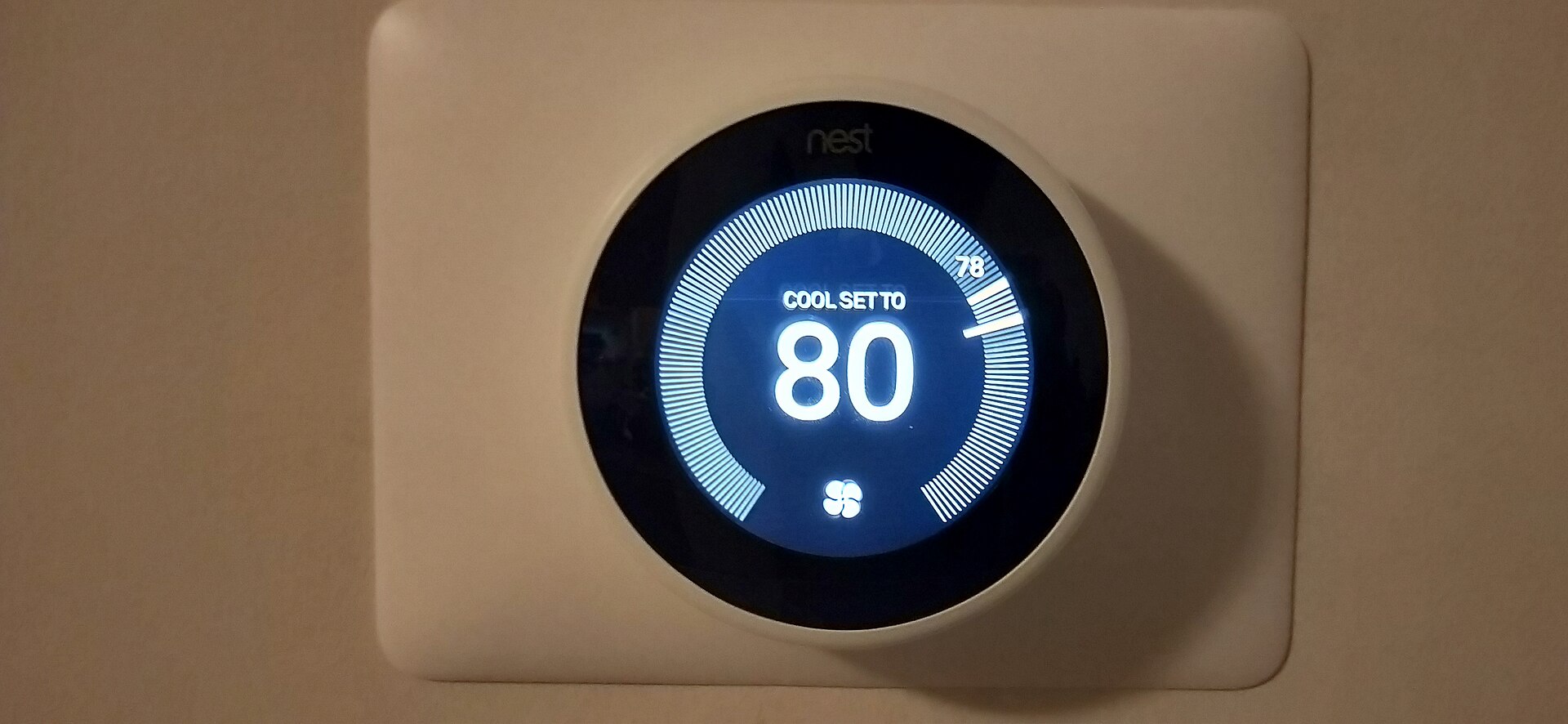
It then combines those adjustments with other signals:
- Occupancy sensing through a motion sensor or your phone’s location (often called geofencing).
- Weather data so it can start heating earlier on very cold mornings.
- System learning to figure out how long your furnace or heat pump takes to reach a set temperature.
The result is a home that is warm when you wake up and cooler when you leave, without you thinking about it.
Why learning thermostats suit bungalows
Two-storey homes often fight hot upstairs bedrooms and cold basements, so a single thermostat in the hallway gives a poor reading. A bungalow’s main floor sits on one level, which means the temperature is more even from room to room.
That makes a single smart thermostat more accurate. Add one or two remote room sensors, for example in a bedroom at the end of the hall or a finished basement, and the thermostat can balance comfort where you actually spend time.
Bungalow tip: If your thermostat sits near the kitchen or a sunny front window, it may read warm and short-change the bedrooms. A remote sensor in the main bedroom often fixes this.
How much can a learning thermostat save?
Savings depend on your habits, your home’s insulation and your heating system. Households that are out for most of the day see the biggest gains, because the thermostat sets back the temperature for long stretches.
If someone is home all day, or you already turn the heat down manually every night, the extra savings are smaller. The device is still convenient, but it will not change your bill dramatically.
| Your situation | Likely benefit |
|---|---|
| Out of the house most weekdays | Strong: long automatic setbacks |
| Irregular shift work or travel | Strong: occupancy sensing adapts for you |
| Retired and home most days | Moderate: mostly comfort and remote control |
| Already strict with a programmable model | Small: savings mostly already captured |
Some Ontario utilities and energy programs have offered rebates on smart thermostats at different times. Check your utility’s current offers before you buy.
Compatibility checks before you buy
Most installation problems come from wiring, not the device. Before you order, take a photo of the wires behind your current thermostat and check these points:
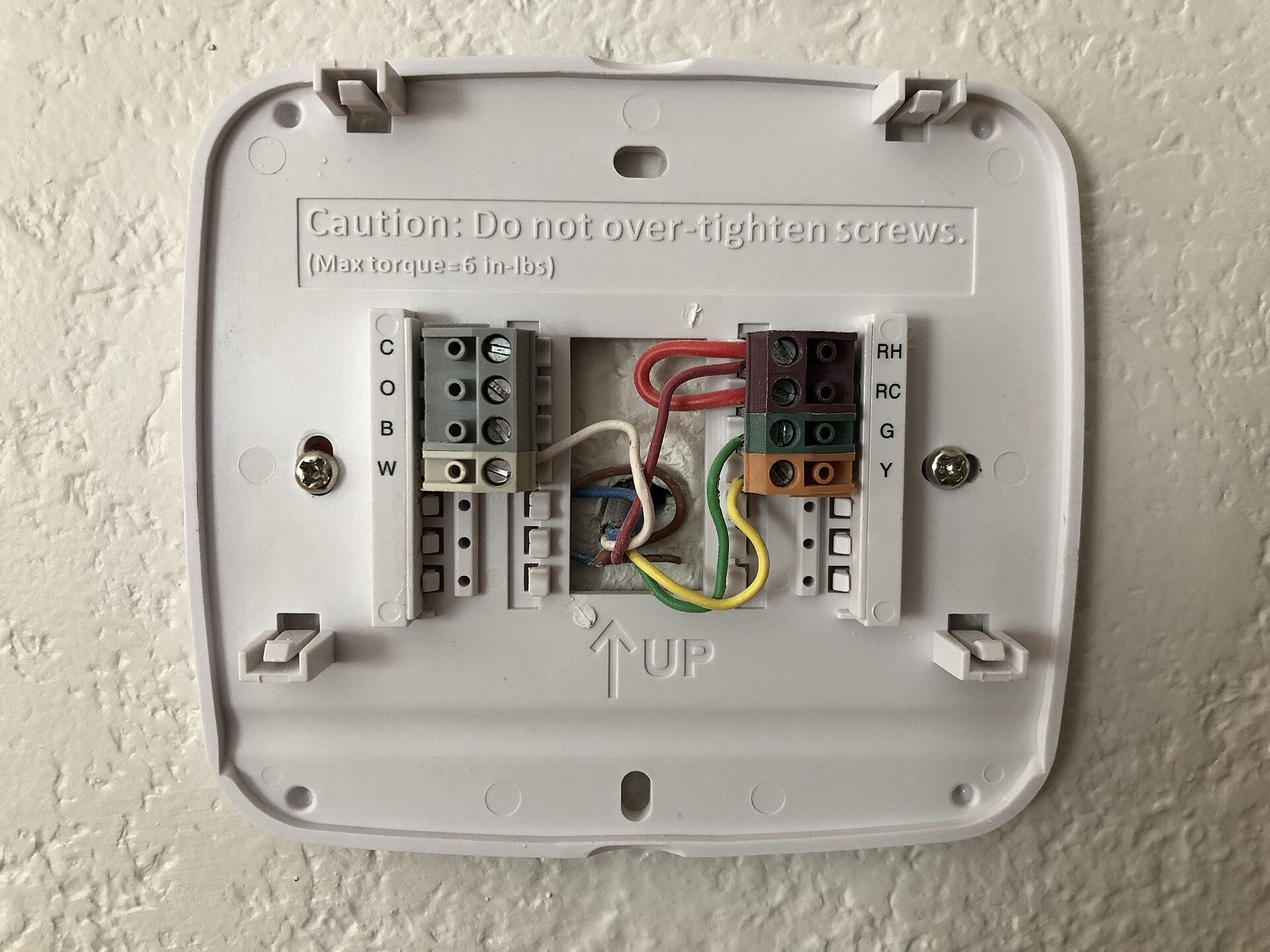
- C-wire (common wire): Many smart thermostats need constant power. Older bungalows often lack this wire, though adapters exist.
- System type: Confirm support for your furnace, heat pump, boiler or dual-fuel setup.
- Line-voltage heat: Electric baseboard heaters use high-voltage thermostats. Standard smart thermostats will not work; you need models made for baseboards.
- Humidifier or HRV control: If you want the thermostat to run these, check the wiring terminals.
If anything looks unfamiliar, hire a licensed HVAC technician. Pairing the device with a yearly furnace tune-up is a smart move, and our bungalow HVAC care guide covers what that service should include.
Getting the most from your learning thermostat
Once it is installed, a few habits make a big difference:
- Be consistent for the first two weeks so it learns a clean pattern.
- Turn on geofencing for every adult in the house, not just one phone.
- Use eco or away temperatures that are modest. Extreme setbacks can make a heat pump lean on backup heat.
- Review the monthly energy report and adjust if it learned a bad habit.
- Keep the furnace filter clean; a clogged filter wastes any savings.
Bungalow tip: Selling soon? A smart thermostat is a small, visible upgrade buyers notice. Leave the manual and reset it to factory settings before closing.
Learning thermostat vs. programmable thermostat
A basic programmable thermostat costs less and can capture most of the savings if your routine is predictable. A learning model costs more but adapts when life changes, and lets you adjust the heat from your phone.
If you like the idea of a wider connected home, a learning thermostat is a natural first step. Our guide to smart home devices for beginners shows what to add next.
Frequently asked questions
Do learning thermostats work with heat pumps?
Many do, but not every model supports every heat pump or dual-fuel system. Check the manufacturer’s compatibility tool and your heat pump’s wiring before buying.
Can I install a learning thermostat myself?
If you have standard low-voltage wiring and a C-wire, many people install one in under an hour. If you have baseboard heaters or unclear wiring, hire a licensed professional.
Does a smart thermostat help when selling a bungalow?
It will not change the appraised value much, but it signals an updated, cared-for home. Buyers often appreciate it alongside other efficiency upgrades.
Will a learning thermostat work without Wi-Fi?
Most still run a basic schedule without internet, but you lose remote control, weather data and some learning features. A stable home network gives the best results.
The bottom line on learning thermostats
A learning thermostat is one of the easiest efficiency upgrades for a bungalow. It works best when your schedule varies, your wiring is compatible and you give it a couple of weeks to learn.
Looking for a home that already has efficient systems in place? Set up new-listing alerts or browse bungalows for sale and ask us about each home’s heating setup.
The newest bungalows on the market
Fresh listings, updated every 15 minutes.
 $525,00041 Fox Trail Drive, St. Catharines3 bed · 2 bath · 462 - Rykert/VansickleCourtesy of RE/MAX NIAGARA REALTY LTD, BROKERAGE
 $459,9001737 2nd Street W, Cornwall3+1 bed · 2 bath · 717 - CornwallCourtesy of RE/MAX AFFILIATES MARQUIS LTD.
 $938,00052 Devins Drive, Aurora3 bed · 2 bath · Aurora HeightsCourtesy of REAL ONE REALTY INC.
 $349,900109 Powerview Avenue, St. Catharines3 bed · 1 bath · 458 - Western HillCourtesy of ROYAL LEPAGE NRC REALTY
 $999,00022 Avondale Crescent, Aurora4 bed · 3 bath · Aurora VillageCourtesy of RE/MAX HALLMARK REALTY LTD.
 $819,9002409 Whaley Drive, Mississauga3 bed · 2 bath · CooksvilleCourtesy of SUTTON GROUP - SUMMIT REALTY INC.