Home emergency preparedness means having a plan, supplies and early warnings in place before something goes wrong. For a bungalow owner, that includes working smoke and carbon monoxide alarms, a 72-hour emergency kit, clear exit routes from every bedroom, and a plan for outages and flooding. Smart safety tech can add faster alerts and remote monitoring, but it works best on top of the basics.
Key takeaways
- Working smoke and CO alarms are the foundation of home safety.
- Canadian emergency guidance suggests being ready to manage on your own for at least 72 hours.
- Bungalows make exits easier, but basement bedrooms need proper egress.
- Smart alarms and sensors add phone alerts and help when you are away.
Why bungalows have a safety advantage
With bedrooms on the main floor and no stairs to the main exits, bungalows are often easier to leave quickly in an emergency. That matters for young children, older adults and anyone with limited mobility.
The exception is the basement. If anyone sleeps downstairs, in a guest room or a rental suite, they need working alarms and a safe second way out. Our guide on egress windows explains what that means.
Step 1: Smoke and carbon monoxide alarms
Ontario’s Fire Code requires working smoke alarms on every storey and outside sleeping areas, and CO alarms near sleeping areas in homes with fuel-burning appliances, a fireplace or an attached garage. Check your local fire service’s guidance for full details.
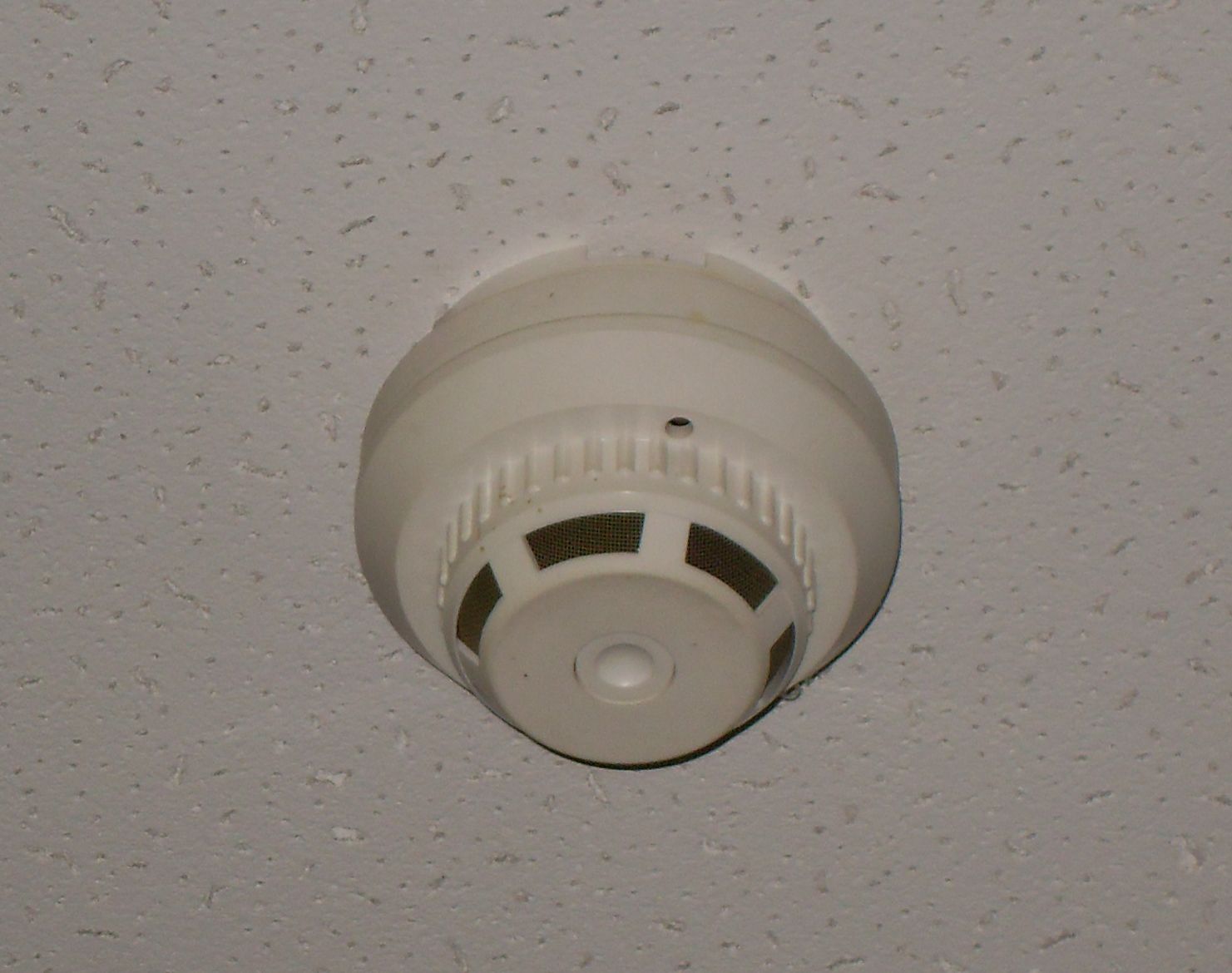
- Test alarms monthly and replace batteries as recommended.
- Replace alarms based on the manufacturer’s date, since sensors wear out.
- Consider interconnected alarms so all sound at once.
- Smart alarms can send a phone alert and tell you which room triggered.
Bungalow tip: Bedrooms in a bungalow often sit along one hallway. An alarm in that hallway, plus one in each bedroom, gives everyone the earliest warning.
Step 2: Build a 72-hour emergency kit
Government of Canada emergency guidance recommends being ready to take care of yourself for at least 72 hours. Store your kit somewhere easy to reach, like a hall closet, not deep in the basement.
| Category | What to include |
|---|---|
| Water and food | Drinking water for each person, non-perishable food, manual can opener |
| Light and power | Flashlights, extra batteries, phone power banks, battery or crank radio |
| Health | First aid kit, a supply of prescriptions, hygiene items |
| Documents | Copies of ID, insurance policy and contacts, kept in a waterproof bag |
| Comfort and tools | Warm blankets, whistle, basic tools, cash in small bills |
| Pets | Food, water, leash or carrier, and any medications |
Step 3: Make an emergency plan
- Map two ways out of every room, including basement rooms.
- Choose a meeting spot outside, like a neighbour’s driveway.
- Know where and how to shut off water, gas and electricity.
- Keep a list of emergency contacts, including someone outside your area.
- Practise a fire drill with the whole household at least once a year.
- Plan for anyone who needs help getting out quickly.
Step 4: Add smart safety tech
Smart devices do not replace a plan, but they help you react faster, especially when you are away.
- Smart smoke and CO alarms: Phone alerts, voice warnings and room location.
- Water leak sensors and auto shut-off valves: Stop a burst pipe from flooding the basement.
- Temperature sensors: Warn of freezing temperatures if the heat fails while you travel.
- Sump pump monitors: Alert you to high water or power loss.
- Video doorbells and cameras: Let you check on your home after storms.
- Emergency alerts: Make sure wireless emergency alerts are enabled on your phone.
Some systems use software to tell the difference between real alarms and false triggers, or to learn normal water use. These features are helpful, but always treat an alert as real until you confirm otherwise. For more on early-warning sensors, see our guide to predictive home maintenance.
Common Ontario emergencies and how to prepare
Power outages
Keep flashlights and power banks charged, and add a battery backup for your sump pump. Never run a generator or barbecue indoors or in a garage.
Basement flooding
Install a backwater valve and keep valuables off the basement floor. Our guide on making a climate resilient home covers flood protection in detail.
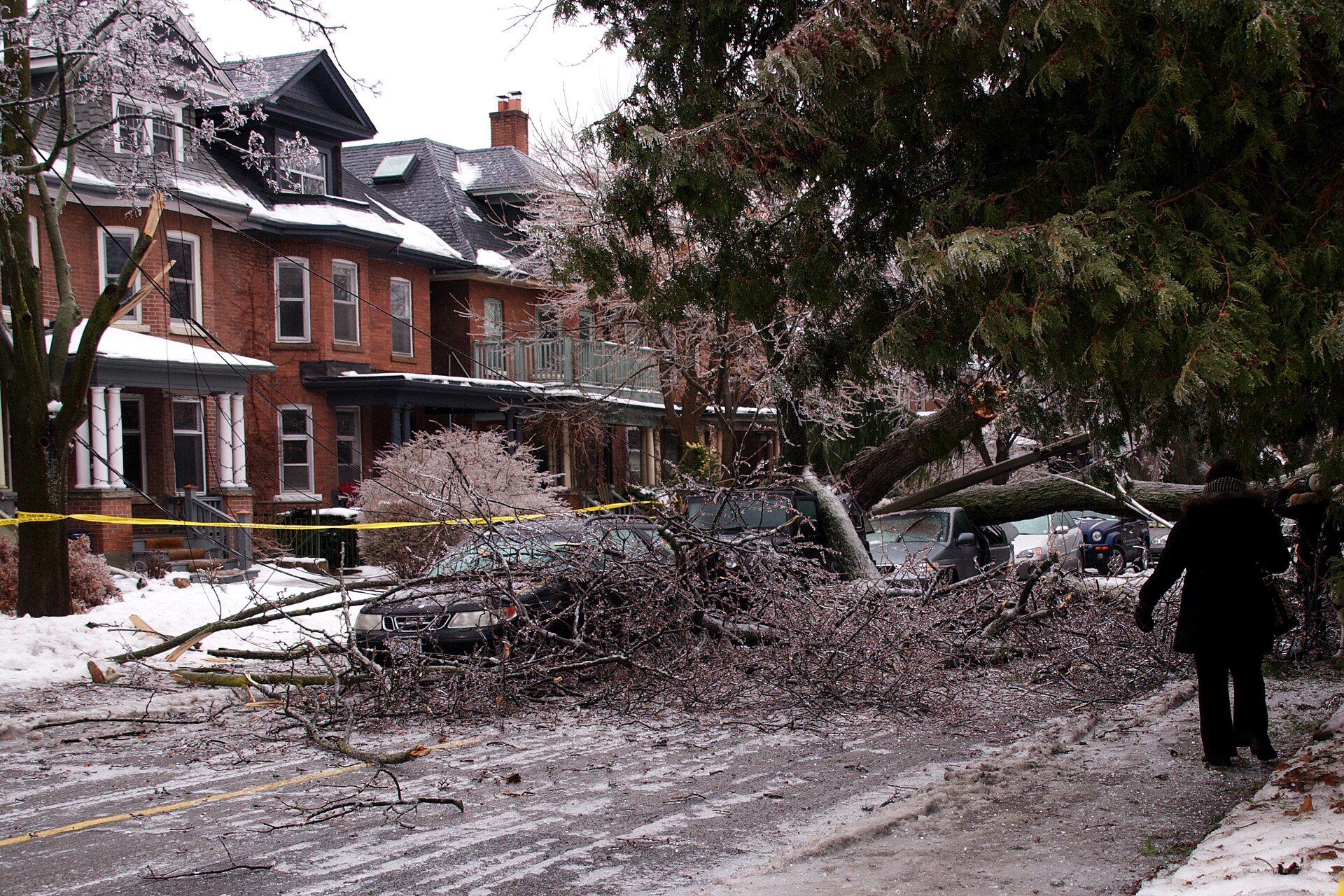
Extreme cold and ice storms
Know how to keep pipes from freezing, and have warm layers and blankets ready if the heat goes out.
Extreme heat
Identify the coolest room in the house, often the basement, and check on vulnerable neighbours and relatives.
Bungalow tip: Take photos or video of each room once a year and store them in the cloud. If you ever need to make an insurance claim, you will have a clear record.
Frequently asked questions
What should be in a home emergency kit?
Include water, non-perishable food, flashlights, batteries, a radio, a first aid kit, medications, copies of key documents, cash and pet supplies. Plan for at least 72 hours.
Are smart smoke alarms better than regular ones?
They provide the same core protection plus phone alerts and room locations. Any working, certified alarm protects you; smart features mainly help when you are away.
Do I need CO alarms in a bungalow?
If your home has a fuel-burning appliance, a fireplace or an attached garage, Ontario requires CO alarms near sleeping areas. Check with your local fire department for details.
The bottom line on emergency preparedness
Start with working alarms, a 72-hour kit and a practised plan. Then add smart sensors that alert you early, especially for water, heat and smoke.
When you house hunt, ask about alarm age, flood protection and basement egress. Our compare homes tool helps you track those details across listings.
Bungalows for sale in Toronto right now
Live listings from the area this article covers.
 $1,500,00097 Estelle Avenue, Toronto3+4 bed · 7 bath · Willowdale EastCourtesy of RE/MAX REALTRON REALTY INC.
 $699,0007 Twenty Second Street, Toronto3+3 bed · 3 bath · Long BranchCourtesy of RE/MAX PREMIER INC.
 $945,000257 John Tabor Trail E, Toronto3+2 bed · 2 bath · MalvernCourtesy of RE/MAX ATRIUM HOME REALTY
 $1,145,000109 Gulliver Road, Toronto4 bed · 3 bath · Brookhaven-AmesburyCourtesy of RE/MAX REALTY SPECIALISTS INC.
 $1,398,80074 Navaho Drive, Toronto3+4 bed · 3 bath · Pleasant ViewCourtesy of HOMELIFE LANDMARK REALTY INC.
 $2,990,00061 Highland Crescent, Toronto2+1 bed · 2 bath · Bridle Path-Sunnybrook-York MillsCourtesy of RE/MAX REALTRON BARRY COHEN HOMES INC.