
A bungalow home inspection can make or break your deal because it reveals the condition of the parts that cost the most to fix: the roof, foundation, basement, wiring and plumbing. Older Ontario bungalows often have predictable issues, and knowing which ones are deal-breakers helps you respond calmly. Here’s what inspectors look for and what to do with the report.
Key takeaways
- Bungalows have large roofs and foundations, so those items deserve close attention.
- Older bungalows may have outdated wiring, galvanized pipes or an aging sewer line.
- Most findings are normal wear; a few are true deal-breakers.
- An inspection condition lets you renegotiate or walk away if serious issues appear.
What does a home inspector check in a bungalow?
A general home inspection is a visual review of the home’s major systems and structure. Your inspector will look at:
- Roof, gutters, chimney and attic insulation
- Foundation, basement walls and signs of water
- Grading, drainage and downspouts
- Electrical panel, wiring and outlets
- Plumbing, water heater and visible drain lines
- Furnace, air conditioning and ventilation
- Windows, doors, floors and walls
Inspectors don’t open walls or move furniture, so some issues stay hidden. A good inspector will tell you when something needs a specialist.
Common issues in older Ontario bungalows
Basement moisture
Many GTA bungalows were built decades ago with older waterproofing. Look for efflorescence, stains, musty smells and poorly graded soil around the house. Check that the sump pump, if any, works.
Roof age
A bungalow’s roof covers all its living space, so a replacement is a bigger job than on a two-storey of similar size. Ask for the roof’s age and look for curled, cracked or missing shingles.
Outdated wiring
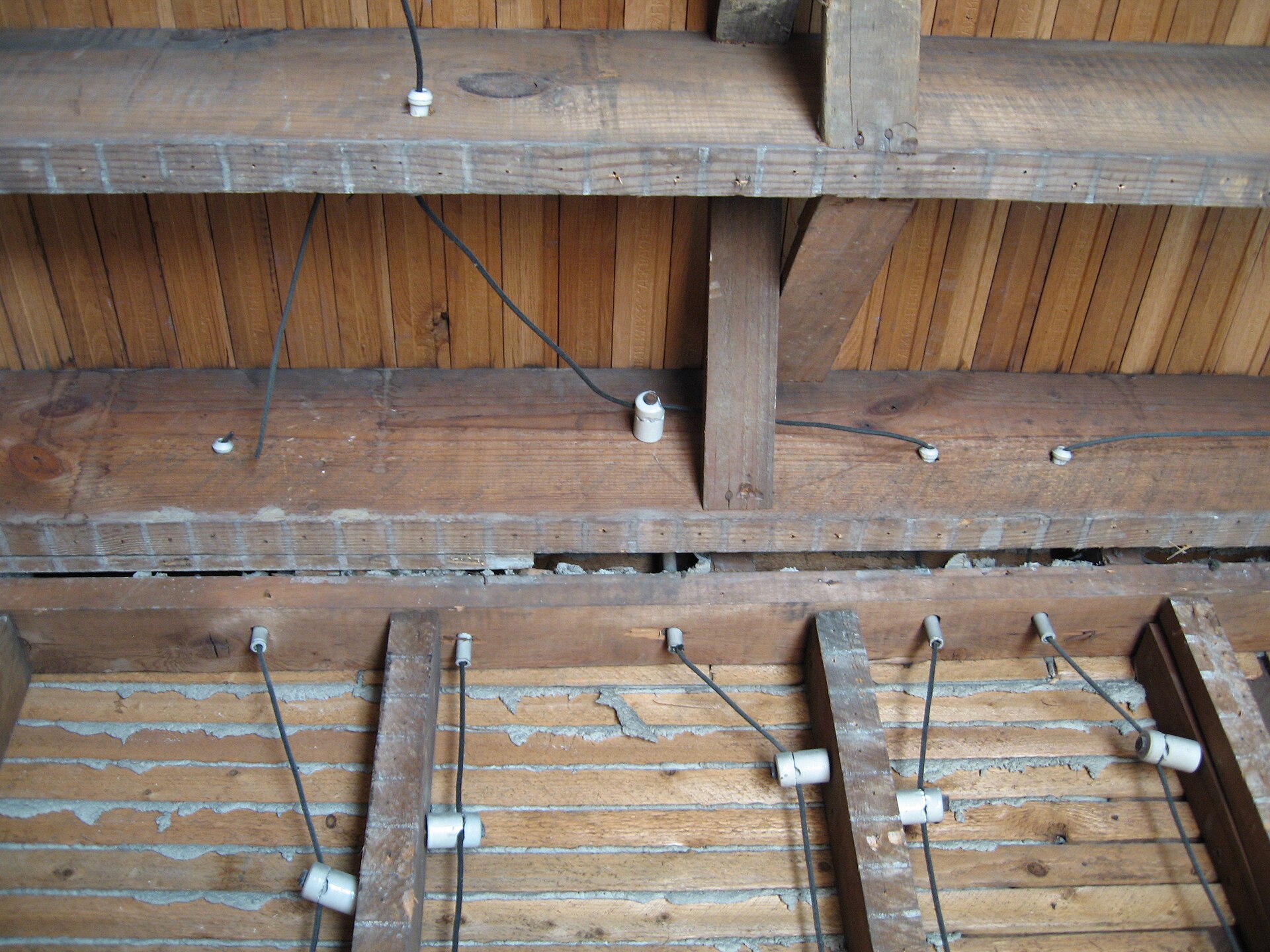
Some older homes still have knob-and-tube or aluminum wiring, or a small electrical panel. These can affect insurance and may need upgrading.
Old plumbing and sewer lines
Galvanized supply pipes can corrode inside. Clay or cast-iron sewer lines can crack or fill with tree roots, especially on streets with mature trees.
Past oil tanks and asbestos
Some older homes were heated with oil. An abandoned tank can matter for insurance. Older insulation, tiles or pipe wrap may contain asbestos, which is usually safe if left undisturbed but costly to remove during renovations.
Which findings are deal-breakers?
| Finding | Severity | Typical response |
|---|---|---|
| Active foundation movement or major cracks | Serious | Get a structural engineer; may walk away |
| Ongoing basement water | Serious | Get waterproofing quotes; renegotiate or walk away |
| Knob-and-tube wiring | Moderate to serious | Check insurance; get electrician quote |
| Roof near end of life | Moderate | Get a quote; ask for a price reduction |
| Cracked sewer line | Moderate | Camera scope and quote; renegotiate |
| Old furnace or water heater | Minor to moderate | Budget for replacement |
| Dripping taps, loose railings, worn caulking | Minor | Normal upkeep, no action needed |
Bungalow tip: On older bungalows with mature trees, add a sewer camera inspection. It’s a small extra cost that can reveal a hidden repair before you buy.
Specialist inspections worth adding
Depending on the home, consider these extras:
- Sewer camera scope for older homes and streets with big trees.
- WETT inspection if there’s a wood stove or wood fireplace, which insurers often ask about.
- Oil tank search if the home was ever heated with oil.
- Radon test for peace of mind in the basement, especially if you’ll use it as living space.
- Structural engineer if the inspector notes significant cracks or sagging.
What to do after the inspection report
If you had an inspection condition in your offer, you have a few choices before the deadline:
- Waive the condition and move forward if the findings are minor.
- Ask for a price reduction or credit for serious issues, backed by contractor quotes.
- Ask the seller to fix something before closing, though you’ll have less control over the quality.
- Walk away if the condition isn’t satisfied and the issue is too big.
Keep requests focused on major items. Asking for a long list of small fixes can sour a fair deal. Our guide on how to negotiate a house price covers how to frame these requests.
What if the seller won’t accept an inspection condition?
In a competitive situation, you can book a pre-offer inspection before the offer date. You’ll pay for it even if you don’t win, but you’ll bid knowing the home’s condition. With the GTA market moving toward balance in 2026, many sellers are accepting inspection conditions again.
Frequently asked questions
Can a home inspection fail?
No. An inspection doesn’t pass or fail. It reports the home’s condition, and you decide what’s acceptable.
Should I attend the home inspection?
Yes, if you can. Walking through with the inspector helps you understand the issues and learn how the home’s systems work.
Does a new bungalow need an inspection?
It’s still a good idea. Builders can make mistakes, and an inspection before your warranty deadlines can help you report defects on time.
How long does a home inspection take?
It varies with the home’s size, age and condition. Plan to spend a few hours, and leave time at the end to go over the findings with your inspector.
The bottom line
An inspection gives you facts instead of guesses. For older bungalows, focus on the roof, basement, wiring and sewer line, and be ready to bring in specialists.
Most reports show normal wear, not deal-breakers. When something serious appears, a condition lets you renegotiate or walk away. Learn more in our guide to home inspections for first-time buyers, and explore fixer-upper bungalows if you’re ready to take on some work.
The newest bungalows on the market
Fresh listings, updated every 15 minutes.
 $829,90019 Palton Avenue, Kanata3 bed · 2 bath · 9008 - Kanata - Morgan's Grant/South MarchCourtesy of ROYAL LEPAGE TEAM REALTY
 $825,000353 County 25 Road, Greater Napanee3 bed · 2 bath · 58 - Greater NapaneeCourtesy of RE/MAX HALLMARK FIRST GROUP REALTY LTD. , BROKERAGE
 $1,500,00097 Estelle Avenue, Toronto3+4 bed · 7 bath · Willowdale EastCourtesy of RE/MAX REALTRON REALTY INC.
 $450,0004925 SAINT CLAIR Avenue, Niagara Falls1 bath · 210 - DowntownCourtesy of RE/MAX Real Estate Centre Inc
 $949,99918 Highland Park Drive, Hamilton3+1 bed · 2 bath · DundasCourtesy of SUTTON GROUP - SUMMIT REALTY INC.
 $749,000173 Woodhaven Place, Hamilton4 bed · 2 bath · RushdaleCourtesy of RE/MAX EXCEL TITAN