An easement is a legal right that lets someone else use part of your property for a specific purpose, like a utility line, a drainage pipe or a shared driveway. You still own the land, but you can’t block or interfere with that use. Easements usually stay with the property when it’s sold, so it’s important to understand them before you buy.
Key takeaways
- An easement lets another party use part of your land without owning it.
- Most easements are registered on title and stay with the property after a sale.
- Utility, drainage and shared driveway easements are the most common on GTA homes.
- Easements can limit where you build a fence, deck, pool or garden suite.
- Your lawyer’s title search and the survey reveal most easements.
How does an easement work?
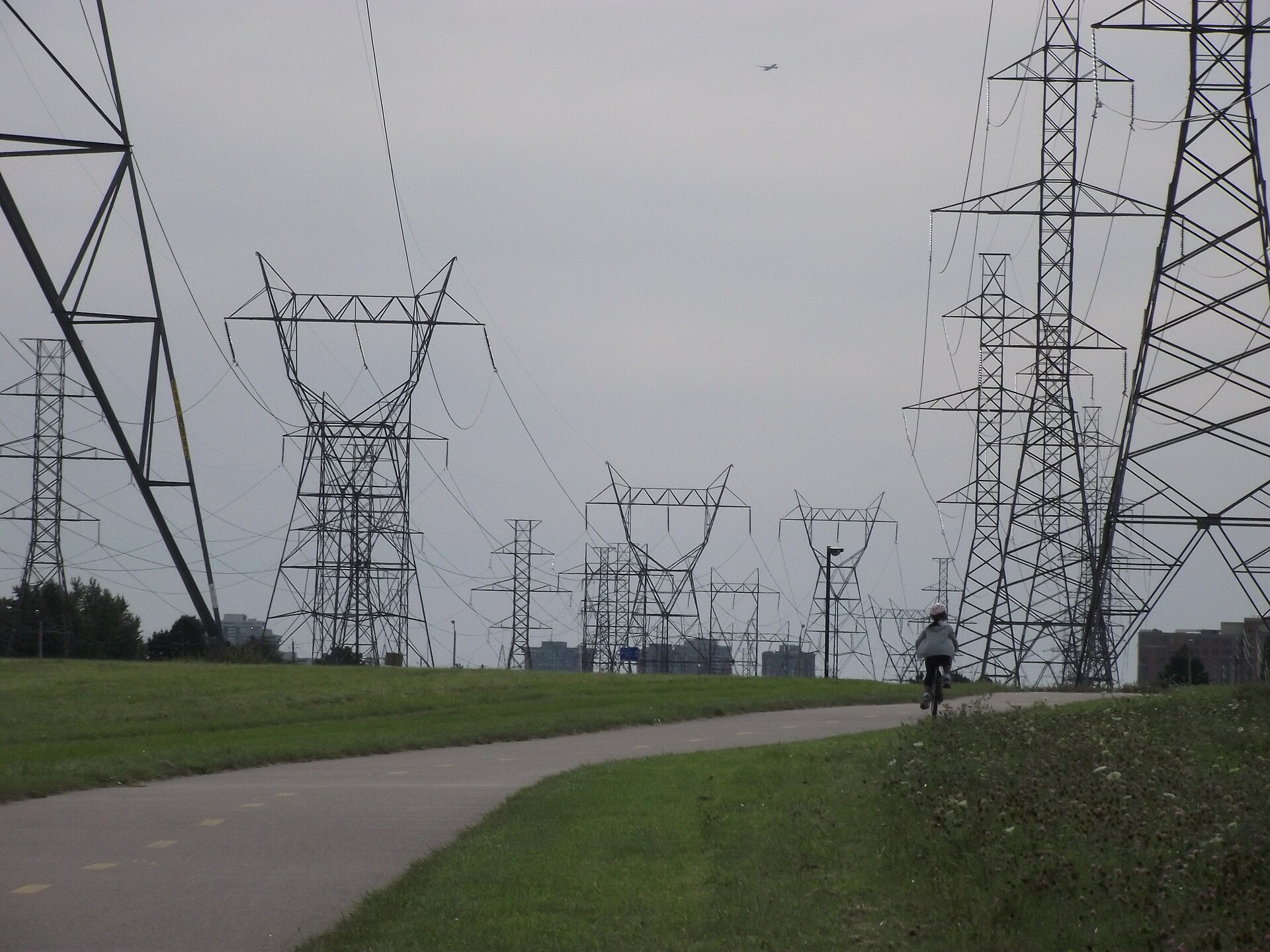
Every easement involves two sides. One party gets the benefit, such as a hydro company that needs to reach its wires. The other property carries the burden, which is the land the easement crosses.
The easement document spells out the purpose, the area and sometimes who maintains it. For example, a utility easement might let workers dig up a strip of your backyard to repair a buried line, then restore the surface.
You keep ownership and can usually use the area in ways that don’t interfere. You might plant grass or a garden over a utility easement. But you likely can’t build a permanent structure on top of it.
Common types of easements on Ontario homes
| Type | What it allows | Where you’ll see it |
|---|---|---|
| Utility easement | Hydro, gas, cable or phone access | Along rear or side lot lines in subdivisions |
| Municipal drainage easement | Storm drains and swales to manage runoff | Between houses and along backyards |
| Mutual driveway | Two neighbours share one driveway | Older semis and bungalows in Toronto and Hamilton |
| Right of way | A neighbour can cross your land to reach theirs | Rural lots, lanes and some infill homes |
| Maintenance easement | A neighbour can access your side yard to maintain their wall | Homes built close to the lot line |
How can an easement affect a bungalow owner?
Bungalows often sit on bigger lots, and owners often want to use that land. That’s where easements matter most.
- Fences. You may need to leave a gate or access point, or use a removable fence over a utility strip.
- Decks and pools. Permanent structures usually can’t sit on an easement. Check before you plan a backyard project.
- Additions and garden suites. An easement can shrink your buildable area. It may decide where an extra unit can go.
- Driveways and parking. On a mutual drive, you can’t park in a way that blocks your neighbour.
- Landscaping. Utility crews can remove plants or interlock to reach their lines, often without paying to replace upgrades.
Bungalow tip: If you’re buying a bungalow for its garden suite or pool potential, ask your lawyer to check for easements before you firm up. An easement in the wrong spot can end that plan.
How to find out if a property has an easement
- Read the listing. Some listings mention easements or a mutual drive, but many don’t.
- Look at the survey. A survey usually shows registered easements as shaded or dotted areas.
- Ask your lawyer. Their title search will show easements registered against the property.
- Walk the lot. Hydro boxes, manholes, drainage swales and shared drives are visible clues.
- Ask the city about municipal easements and drainage before planning major work.
Easements are one of several issues that can show up on title. Learn about others in our guide to common title problems.
Can an easement be removed or changed?
Sometimes. The party that benefits from the easement can agree to release it, and the release is registered on title. This is more realistic when the easement is no longer used, such as an old utility line that’s been moved.
Some rights can also arise from long-term use rather than a written agreement. These situations are complex and depend on the facts and the property’s registration history. Speak with a real estate lawyer before you assume an easement exists or can be removed.
Do easements affect property value?
Most standard utility and drainage easements have little effect on value. Buyers are used to them in subdivisions. A large easement through the middle of a backyard, or a right of way that lets neighbours cross your land, can make a home less appealing to some buyers.
Compare similar homes with and without the same easement to judge the impact. Our guide to frontage and depth also explains how to read lot size and usable space.
Frequently asked questions
Can I build a fence on an easement?
Often you can, but you may have to remove it at your own cost if access is needed. Check the easement terms and your city’s rules first.
Who pays to maintain an easement area?
It depends on the easement document. Often the owner maintains the surface, while the benefiting party maintains its own pipes or lines.
Does title insurance cover easements?
Title insurance usually doesn’t cover easements that were registered and known at purchase. It may cover some unknown issues, so ask your lawyer to explain your policy.
The bottom line
An easement doesn’t take away your ownership, but it does shape how you can use your land. Find out about easements early, especially if you’re planning a pool, addition or garden suite.
This is general information, not legal advice. A real estate lawyer can review the exact terms for any home you’re considering. When you’re ready to shop, our buyer’s guide walks you through every step.
Bungalows for sale in Toronto right now
Live listings from the area this article covers.
 $1,500,00097 Estelle Avenue, Toronto3+4 bed · 7 bath · Willowdale EastCourtesy of RE/MAX REALTRON REALTY INC.
 $699,0007 Twenty Second Street, Toronto3+3 bed · 3 bath · Long BranchCourtesy of RE/MAX PREMIER INC.
 $945,000257 John Tabor Trail E, Toronto3+2 bed · 2 bath · MalvernCourtesy of RE/MAX ATRIUM HOME REALTY
 $1,145,000109 Gulliver Road, Toronto4 bed · 3 bath · Brookhaven-AmesburyCourtesy of RE/MAX REALTY SPECIALISTS INC.
 $1,398,80074 Navaho Drive, Toronto3+4 bed · 3 bath · Pleasant ViewCourtesy of HOMELIFE LANDMARK REALTY INC.
 $2,990,00061 Highland Crescent, Toronto2+1 bed · 2 bath · Bridle Path-Sunnybrook-York MillsCourtesy of RE/MAX REALTRON BARRY COHEN HOMES INC.