
To increase your home’s appraisal value, fix visible problems, document every upgrade with dates and permits, and give the appraiser good comparable sales. Appraisers mostly value location, lot, size, condition and recent nearby sales, so focus on what you can influence. Small, practical steps often matter more than a last-minute renovation.
Key takeaways
- Comparable sales drive most appraisals, so know your recent neighbourhood sales.
- Condition counts: deferred maintenance pulls values down.
- Permits and receipts help an appraiser credit your upgrades.
- A legal second unit is generally valued differently from an unpermitted one.
What do appraisers look at on a bungalow?
An appraiser estimates market value for a lender or owner. In most residential appraisals, they compare your home with recent sales of similar properties nearby and adjust for differences.
- Location: street, neighbourhood, schools, transit and nearby amenities.
- Lot: frontage, depth, shape, backing (ravine, park or busy road).
- Above-grade living space: the main-floor square footage of your bungalow.
- Basement: finished or unfinished, ceiling height, separate entrance, legal unit.
- Condition and updates: roof, windows, mechanicals, kitchen and bathrooms.
- Parking and extras: garage, driveway, pool, outbuildings.
Why bungalow size is tricky
Basement space is usually valued differently from above-grade space. A raised bungalow’s bright lower level, with large windows, may be viewed more favourably than a dark, low basement. Make sure the appraiser understands exactly what your lower level offers.
Repairs that support a stronger appraisal
Appraisers note anything that suggests deferred maintenance. These fixes are usually inexpensive compared with their effect on the impression your home makes:
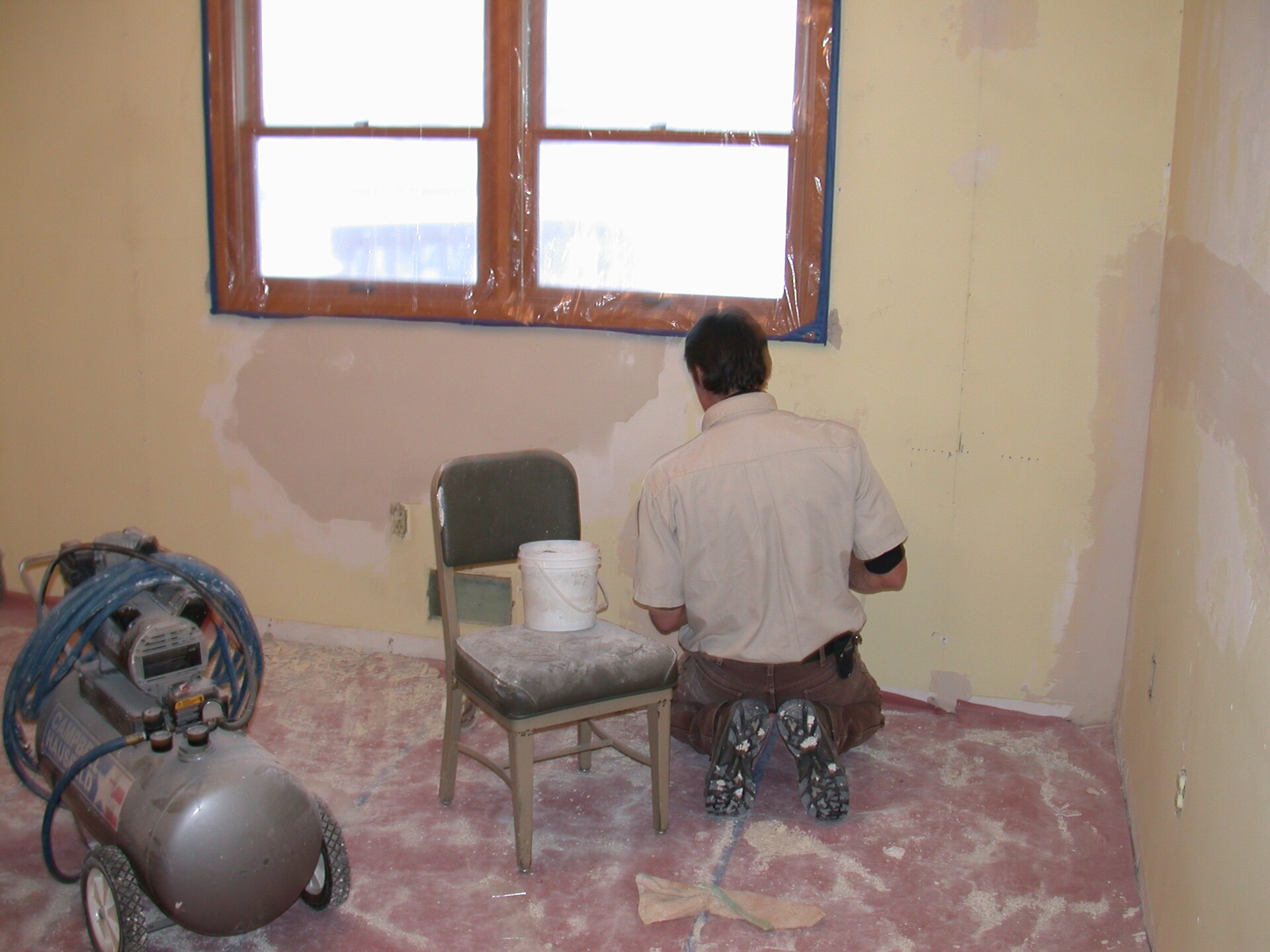
- Repair leaks, water stains and damaged drywall.
- Replace missing shingles, cracked caulking and broken window seals.
- Fix loose railings, sticking doors and faulty light fixtures.
- Service the furnace and air conditioner, and keep the record.
- Clean gutters and make sure downspouts drain away from the foundation.
Upgrades that can help, and ones that may not
| Project | Likely effect on appraisal | Notes |
|---|---|---|
| Legal second unit | Often positive | Must be permitted; adds income potential |
| Updated kitchen or bathroom | Often positive | Should suit the neighbourhood’s price range |
| New roof, windows or furnace | Supports value | Reduces risk; keep receipts and warranties |
| Fresh paint and flooring | Helps condition rating | Neutral colours work best |
| Very high-end custom finishes | May not be fully credited | Can over-improve for the street |
| Unpermitted basement apartment | Uncertain or negative | Can raise lender and insurance concerns |
No upgrade is guaranteed to add more value than it costs. For ideas on where to spend, see our guide to the most valuable home renovations.
Prepare an upgrades package for the appraiser
Appraisers have limited time on site. A one-page summary helps them credit what they might otherwise miss. Include:
- A list of improvements with dates and approximate costs
- Building permits and final inspections, especially for basement units or additions
- Receipts and warranties for the roof, windows, furnace and appliances
- A survey or lot details, if available
- Recent comparable sales you believe are relevant, with brief notes
Bungalow tip: Pull recent sales of true bungalows, not two-storey homes, on similar lots. Our sold bungalow listings can help you spot the most relevant comparables.
Know your comparables before the appraisal
The best comparables are recent, close by and similar in style, size and lot. A bungalow on a 50-foot lot should be compared with other bungalows on similar lots, ideally on the same type of street.
If you’re refinancing, get a sense of value first. A free home evaluation gives you a realistic range, so you can plan your borrowing before the lender’s appraisal comes back.
Lot and location features to point out
Some of a bungalow’s biggest strengths sit outside the walls. Appraisers will see them, but it helps to make sure nothing is missed.
- Lot size and shape: a wide or deep lot, or a pie-shaped lot with a big backyard, can matter a lot in the GTA.
- What the lot backs onto: a ravine, park or green space is usually a plus.
- Development potential: zoning that allows a garden suite or additional units can add appeal.
- Parking: a double garage or long private driveway stands out, especially on older streets.
Appraisal mistakes owners make
- Starting a big renovation right before the visit. Half-finished work can lower the condition rating.
- Hiding problems. Appraisers notice water stains and fresh paint over damage, and it hurts credibility.
- Using the wrong comparables. A two-storey home or a bungalow on a busy road isn’t a fair match for yours.
- Pressuring the appraiser. Share facts, not a target number. Appraisers must stay independent.
Frequently asked questions
Can I be home during the appraisal?
Usually, yes. Be friendly, answer questions and hand over your upgrades package, but let the appraiser work without pressure.
Does cleaning and decluttering affect an appraisal?
Appraisers value the property, not the furniture, but a clean, well-kept home supports a better condition rating. It also makes features easier to see.
Does a finished basement increase appraisal value?
It often helps, but basement space is usually valued differently from main-floor space. A legal, permitted unit generally carries more weight than an unpermitted one.
What if I disagree with my appraisal?
Ask your lender or mortgage agent whether they’ll review it. Provide factual corrections and better comparable sales, not opinions.
The bottom line
You can’t change your location or the market, but you can control condition, documentation and comparables. Fix the small things, organize your paperwork and know your local sales. For what to expect on the day itself, read our guide to the home appraisal process.
The newest bungalows on the market
Fresh listings, updated every 15 minutes.
 $349,900109 Powerview Avenue, St. Catharines3 bed · 1 bath · 458 - Western HillCourtesy of ROYAL LEPAGE NRC REALTY
 $999,00022 Avondale Crescent, Aurora4 bed · 3 bath · Aurora VillageCourtesy of RE/MAX HALLMARK REALTY LTD.
 $819,9002409 Whaley Drive, Mississauga3 bed · 2 bath · CooksvilleCourtesy of SUTTON GROUP - SUMMIT REALTY INC.
 $839,900145 Emma Street, Guelph3 bed · 2 bath · General HospitalCourtesy of Royal LePage Royal City Realty
 $829,90019 Palton Avenue, Kanata3 bed · 2 bath · 9008 - Kanata - Morgan's Grant/South MarchCourtesy of ROYAL LEPAGE TEAM REALTY
 $825,000353 County 25 Road, Greater Napanee3 bed · 2 bath · 58 - Greater NapaneeCourtesy of RE/MAX HALLMARK FIRST GROUP REALTY LTD. , BROKERAGE